
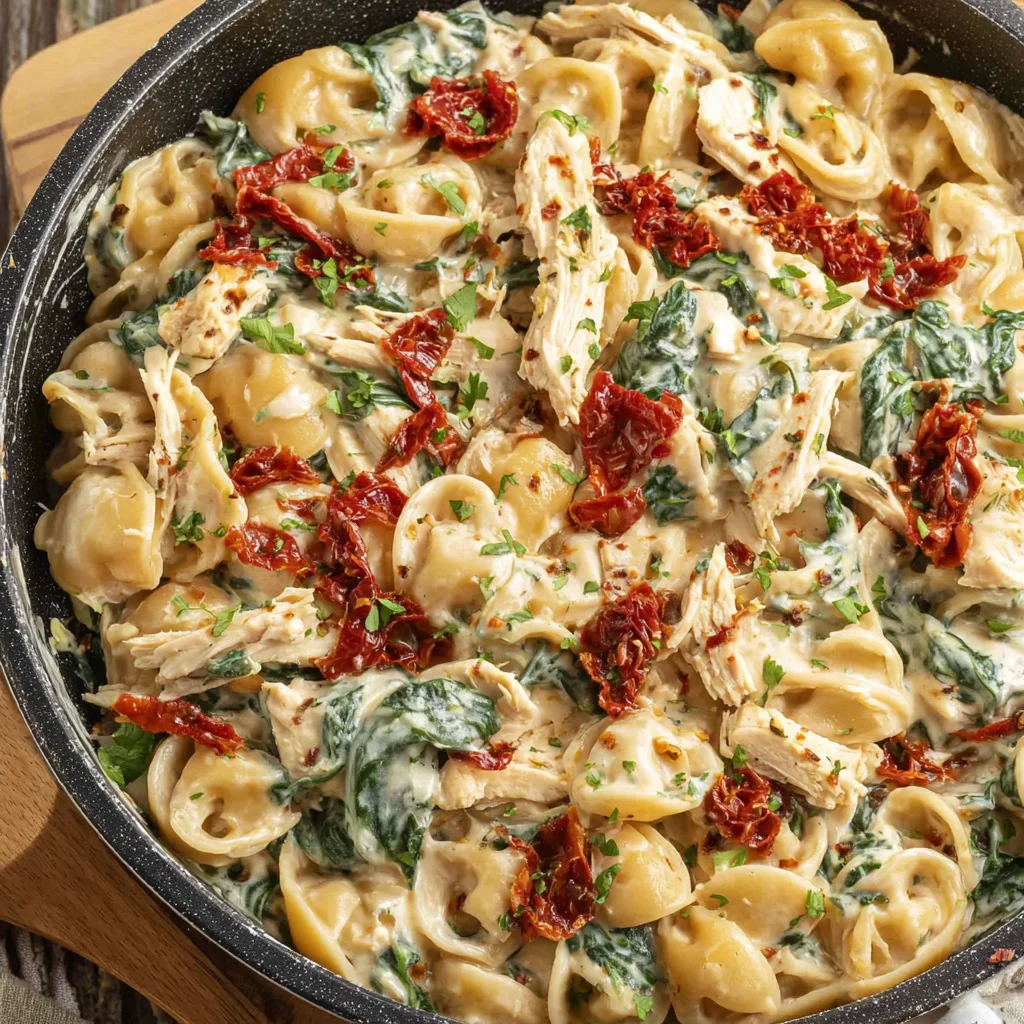
Introduction
My grandmother always said that the mark of a great cook isn’t just making a beautiful first meal, but knowing how to make the second meal even better. This wisdom has guided my approach to leftover chicken recipes for years, and I’ve discovered that some of my most beloved family dishes actually started as creative ways to repurpose yesterday’s roast.
The magic happens when you stop thinking of leftover chicken as merely “leftovers” and start seeing it as a premium ingredient that’s already perfectly seasoned and ready to shine in new preparations. Tonight’s leftover chicken recipe combines the comfort of familiar flavors with the excitement of a completely fresh presentation that will have everyone asking for seconds.
Ingredients List
Base Ingredients:
- 3 cups leftover cooked chicken, shredded or diced
- 2 tablespoons olive oil or butter
- 1 medium onion, diced (about 1 cup)
- 3 cloves garlic, minced
- 2 medium carrots, diced
- 2 celery stalks, diced
Flavor Enhancers:
- 2 cups chicken broth (or vegetable broth)
- 1 cup heavy cream (coconut milk for dairy-free)
- 1 teaspoon dried thyme
- 1 teaspoon dried rosemary
- ½ teaspoon paprika
- Salt and black pepper to taste
Finishing Touches:
- 1 cup frozen peas
- ¼ cup fresh parsley, chopped
- 2 tablespoons lemon juice
- ½ cup grated Parmesan cheese (optional)
Substitution Notes: Feel free to swap the heavy cream with Greek yogurt for a lighter option, or use nutritional yeast instead of Parmesan for a vegan twist. The vegetables are completely flexible—use whatever you have on hand, from bell peppers to mushrooms.
Timing
Total Time: 35 minutes
- Prep Time: 15 minutes
- Cooking Time: 20 minutes
This recipe moves quickly once you start cooking, so I recommend having all your vegetables chopped and ingredients measured before you heat the pan. The beauty of working with leftover chicken is that you’re essentially building a one-pot meal that comes together in less time than it takes to decide on takeout.
Time-Saving Tip: While the vegetables are sautéing, you can shred your leftover chicken and measure out your seasonings. The multitasking keeps everything moving smoothly.
How to Make It
1. Prepare Your Base
Heat the olive oil in a large skillet or Dutch oven over medium heat. Add the diced onions and cook for 3-4 minutes until they become translucent and fragrant. The gentle sizzling sound tells you the temperature is just right—not too hot that they’ll burn, but warm enough to develop sweetness.
2. Build the Aromatics
Stir in the minced garlic, diced carrots, and celery. Cook for another 5 minutes, stirring occasionally. You’ll notice the vegetables starting to soften and the kitchen filling with that comforting mirepoix aroma that signals something delicious is happening.
3. Add the Chicken and Seasonings
Add your leftover chicken to the pan along with the thyme, rosemary, and paprika. Stir everything together and cook for 2-3 minutes to warm the chicken through and let the herbs bloom. This step reawakens all those wonderful flavors from your original chicken preparation.
4. Create the Sauce
Pour in the chicken broth and bring to a gentle simmer. Let it bubble away for 5 minutes to concentrate the flavors, then reduce the heat to low and stir in the heavy cream. The sauce should coat the back of a spoon beautifully.
5. Final Touches
Add the frozen peas and cook for 2 minutes until they’re heated through and bright green. Remove from heat and stir in the fresh parsley, lemon juice, and Parmesan cheese if using. Taste and adjust seasoning with salt and pepper as needed.
Nutritional Information
Each serving provides approximately 320 calories with a healthy balance of protein, healthy fats, and vegetables. The leftover chicken delivers about 25 grams of protein per serving, while the vegetables contribute fiber, vitamins A and C, and folate from the peas and carrots.
This recipe offers genuine comfort food satisfaction while incorporating nutrient-dense vegetables. The cream adds richness and helps with the absorption of fat-soluble vitamins, while the herbs provide antioxidants. For those watching sodium intake, using low-sodium broth and adjusting salt to taste makes this suitable for various dietary needs.
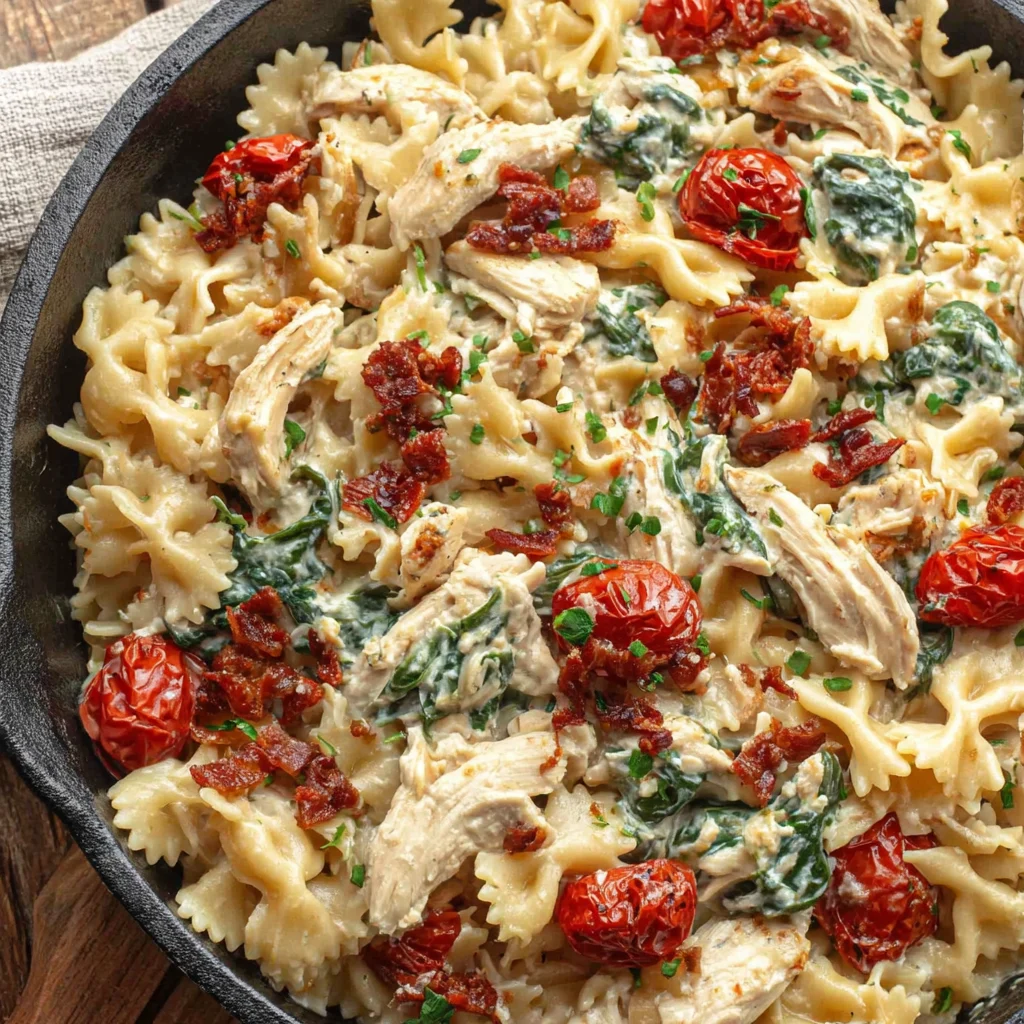
Healthier Alternatives for the Recipe
Transform this recipe to meet various dietary goals without sacrificing flavor. Replace the heavy cream with unsweetened cashew cream or Greek yogurt stirred in at the very end to prevent curdling. This cuts calories while maintaining creaminess.
For a lower-carb version, serve over cauliflower rice or zucchini noodles instead of traditional starches. The rich sauce pairs beautifully with these alternatives and adds satisfying bulk to the meal.
Make it completely dairy-free by using olive oil instead of butter and coconut milk in place of cream. The coconut milk adds a subtle sweetness that complements the herbs wonderfully. For gluten-free needs, ensure your chicken broth is certified gluten-free and consider serving over rice or quinoa.
Serving Suggestions
This versatile leftover chicken creation shines when served over fluffy rice, creamy mashed potatoes, or buttered egg noodles. For a lighter presentation, try it over a bed of mixed greens as a warm salad, or stuff it into baked sweet potatoes for a complete meal.
Consider serving alongside crusty artisan bread for sopping up every drop of that delicious sauce. A simple side salad with vinaigrette provides a fresh contrast to the rich, creamy chicken.
For special occasions, present individual portions in small cast-iron skillets or ramekins, topped with fresh herbs and a sprinkle of paprika. This elevates the humble leftover into an elegant presentation worthy of dinner guests.
Common Mistakes to Avoid
The biggest mistake when making leftover chicken recipes is overcooking the already-cooked chicken. Since your chicken is already perfectly cooked, you’re just warming it through and marrying it with new flavors. Extended cooking will result in tough, dry meat.
Don’t rush the vegetable base—those first few minutes of properly sautéing your aromatics create the foundation of flavor for the entire dish. Pale, undercooked onions won’t develop the sweetness that balances the savory elements.
When adding the cream, make sure to reduce the heat first. High heat can cause dairy to curdle, creating an unappetizing texture. If you notice any signs of separation, remove from heat immediately and whisk vigorously.
Storing Tips for the Recipe
Store leftover portions in airtight containers in the refrigerator for up to 3 days. The flavors actually improve overnight as everything melds together beautifully. When reheating, add a splash of chicken broth or cream to restore the proper consistency, as the sauce may thicken during storage.
For freezer storage, this recipe keeps well for up to 2 months in freezer-safe containers. Leave some headspace for expansion, and label clearly with the date. Thaw overnight in the refrigerator before reheating.
Reheat gently on the stovetop over low heat, stirring frequently to prevent scorching. Microwave reheating works too—use 50% power and stir every minute until heated through. The key is gentle, gradual warming to maintain the creamy texture.
Conclusion
This leftover chicken transformation proves that second-day meals can be even more satisfying than the original. The combination of tender chicken, aromatic vegetables, and creamy sauce creates comfort food that feels both familiar and exciting. The beauty lies in its adaptability—you can customize it based on what’s in your refrigerator while still achieving restaurant-quality results.
Don’t let those beautiful leftover chicken pieces go to waste when they can become the star of tonight’s dinner. This recipe turns meal planning into a creative adventure rather than a chore, and I promise your family will be asking you to make “leftovers” more often. Give this recipe a try and discover how delicious and satisfying leftover chicken recipes can truly be.
FAQs
Can I use rotisserie chicken from the store?
Absolutely! Store-bought rotisserie chicken works perfectly in this recipe. Remove the skin and shred the meat, and you’ll have the same delicious results as using homemade leftovers.
What if I don’t have heavy cream?
Greek yogurt, sour cream, or even whole milk work as substitutes. Stir dairy alternatives in at the very end and keep the heat low to prevent curdling.
How can I make this recipe spicier?
Add red pepper flakes with the herbs, or stir in a teaspoon of hot sauce at the end. Fresh jalapeños diced with the vegetables also add wonderful heat and flavor.
Can I prepare this ahead of time?
Yes, you can make this up to the point of adding the cream, then refrigerate. When ready to serve, reheat gently and stir in the cream and final seasonings.
What other vegetables work well in this recipe?
Mushrooms, bell peppers, zucchini, or spinach all make excellent additions. Just adjust cooking times based on how quickly each vegetable cooks.
Is this recipe suitable for meal prep?
Definitely! Portion into individual containers and reheat throughout the week. It’s perfect served over different bases—rice one day, pasta the next—to keep things interesting.