
Introduction
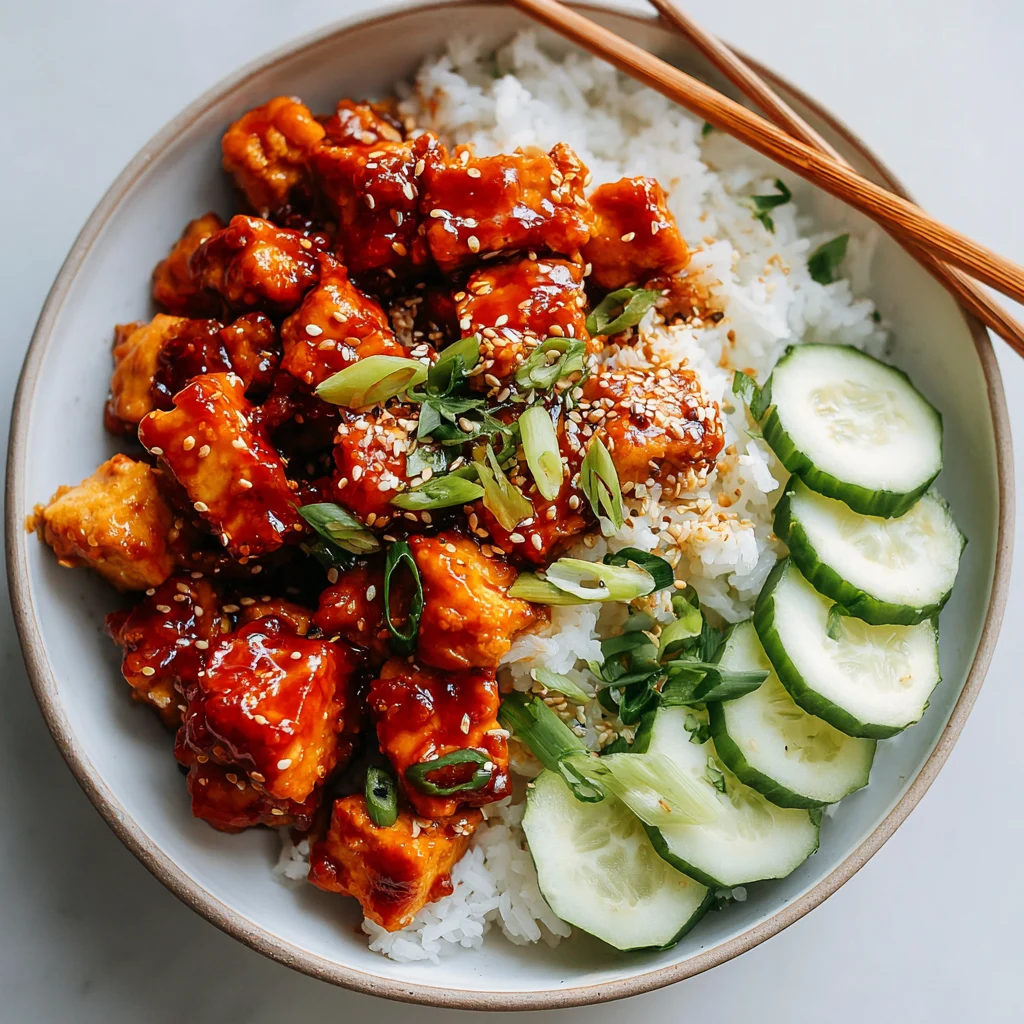
There’s something magical about the way Korean gochujang transforms simple tofu into pure comfort food gold. This gochujang tofu delivers that perfect balance of sweet, spicy, and umami that makes your taste buds dance with excitement. The silky tofu absorbs every drop of the glossy, caramelized sauce, creating a dish that’s both satisfying and surprisingly addictive. What makes this recipe truly special is how it proves that plant-based cooking can be bold, flavorful, and utterly crave-worthy.
Ingredients
For the Tofu:
- 1 block (14 oz) extra-firm tofu, drained and cubed
- 2 tablespoons cornstarch
- 2 tablespoons neutral oil (vegetable or avocado)
For the Gochujang Sauce:
- 3 tablespoons gochujang paste
- 2 tablespoons soy sauce
- 1 tablespoon maple syrup (or brown sugar)
- 1 tablespoon rice vinegar
- 2 cloves garlic, minced
- 1 teaspoon fresh ginger, grated
- 1 tablespoon sesame oil
Garnish:
- 2 green onions, sliced
- 1 tablespoon sesame seeds
Substitutions: Can’t find gochujang? Try sriracha mixed with a touch of miso paste. Swap maple syrup for honey (if not strictly vegan) or agave nectar. Tamari works perfectly in place of soy sauce for gluten-free needs.
Timing
Prep Time: 15 minutes
Cook Time: 12 minutes
Total Time: 27 minutes
Time-Saving Tip: Press your tofu the night before and store it covered in the refrigerator. This extra step removes more moisture, resulting in even crispier edges when cooked.
How to Make It
1. Prepare the Tofu
Pat the tofu completely dry with paper towels – this step is crucial for achieving that golden, crispy exterior. Cut into 1-inch cubes and toss gently with cornstarch until each piece is lightly coated. You’ll hear a subtle rustling sound as the cornstarch adheres to the tofu. This coating creates a protective barrier that helps the tofu develop a beautiful golden crust while preventing it from sticking to the pan.
2. Make the Gochujang Sauce
Whisk together gochujang, soy sauce, maple syrup, rice vinegar, minced garlic, grated ginger, and sesame oil in a small bowl. The mixture should be smooth and glossy, with a rich reddish-brown color. The aroma will be intoxicating – sweet, spicy, and deeply savory. This sauce balance is key: the maple syrup tames the gochujang’s heat while the vinegar adds brightness that prevents the dish from becoming too heavy.
3. Cook the Tofu
Heat oil in a large non-stick skillet or well-seasoned cast iron pan over medium-high heat. When the oil shimmers and moves freely around the pan, add the cornstarch-coated tofu pieces in a single layer. Don’t overcrowd – cook in batches if necessary. Listen for that satisfying sizzle as the tofu hits the hot oil. Cook undisturbed for 3-4 minutes until the bottom develops a golden-brown crust. Flip carefully and cook another 2-3 minutes until all sides are crispy and lightly caramelized.
4. Glaze with Sauce
Reduce heat to medium and pour the gochujang sauce directly over the crispy tofu. The sauce will bubble and steam immediately – this is exactly what you want. Gently toss the tofu to coat every piece, cooking for 2-3 minutes until the sauce thickens and becomes glossy. The tofu should look lacquered and jewel-like, with the sauce clinging beautifully to each cube. The kitchen will smell incredible at this point, with sweet and spicy aromas filling the air.
Nutritional Information
Each serving contains approximately 280 calories, 12g protein, 18g carbohydrates, and 15g healthy fats. This dish provides complete plant-based protein, probiotics from the fermented gochujang, and heart-healthy sesame oil. Values are approximate and may vary based on specific ingredients used.
Serving Suggestions
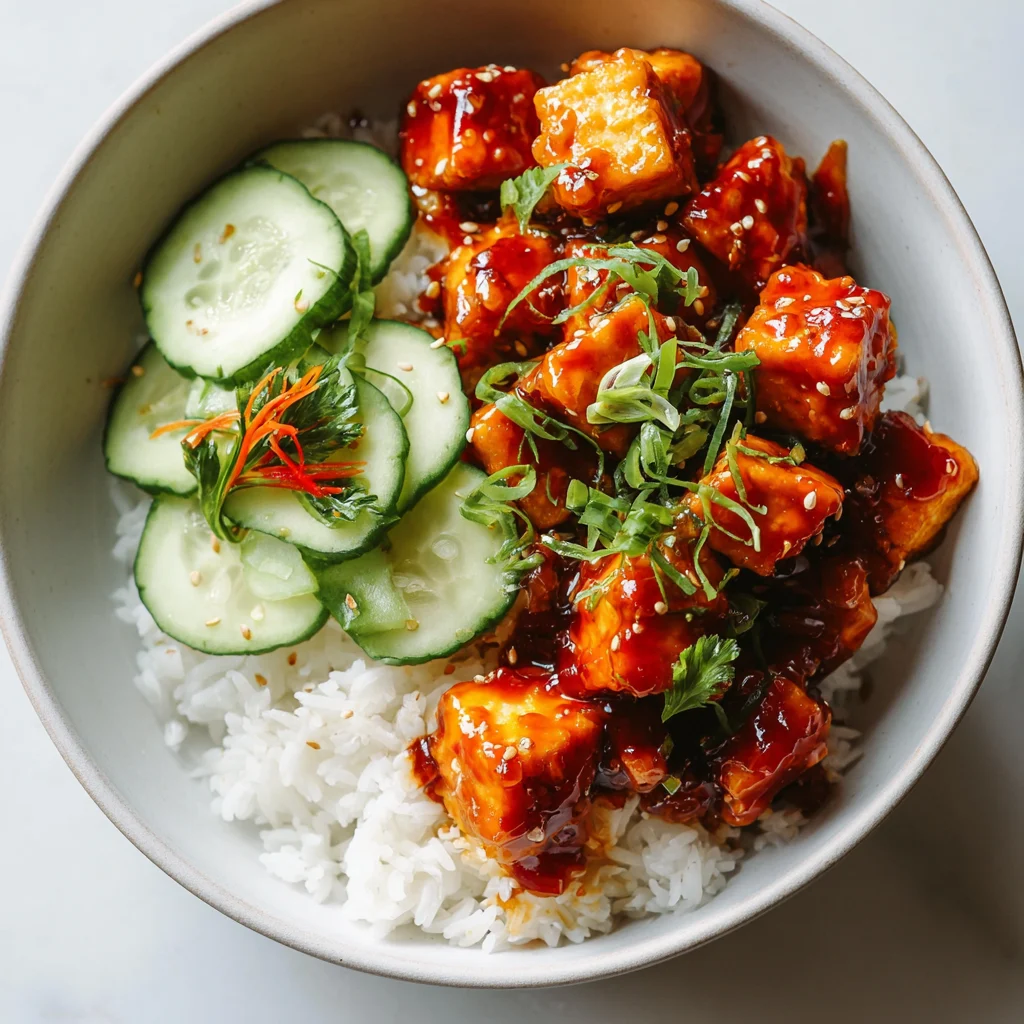
Serve this Korean-inspired tofu over steamed jasmine rice or cauliflower rice for a complete meal. It pairs beautifully with quick-pickled vegetables or a simple cucumber salad. For an elegant presentation, garnish with sliced green onions and toasted sesame seeds. Plan for about 3-4 pieces per person as a side dish, or 6-8 pieces as a main course.
Common Mistakes to Avoid
Skipping the cornstarch coating – This prevents that coveted crispy texture. Not drying the tofu thoroughly – Excess moisture creates steam instead of the searing you want. Cooking on too low heat – Medium-high heat is essential for proper browning. Adding sauce too early – Let the tofu develop its crust first, then add the glaze for the final few minutes.
Storing Tips
Store leftover gochujang tofu in an airtight container in the refrigerator for up to 4 days. The flavors actually deepen overnight, making it even more delicious. Reheat gently in a skillet over medium heat to restore some crispiness, or enjoy cold in grain bowls and salads.
Conclusion
This gochujang tofu proves that plant-based meals can be every bit as exciting and flavorful as their traditional counterparts. The combination of crispy textures and bold Korean flavors creates a dish that satisfies on every level. Give this recipe a try and let me know how it turns out in your kitchen!
FAQs
Can I use silken tofu instead of extra-firm?
Silken tofu is too delicate for this cooking method and will fall apart. Stick with extra-firm or firm tofu that’s been well-drained for best results.
How spicy is this dish?
The heat level is moderate and builds gradually. Start with 2 tablespoons of gochujang if you’re sensitive to spice, then adjust to taste in future batches.
Can I make this ahead of time?
While best served fresh, you can prep the sauce and cube the tofu up to a day ahead. Cook just before serving for optimal texture and flavor.
What if my gochujang sauce is too thick?
Thin it with a tablespoon of water or low-sodium vegetable broth. The sauce should coat the back of a spoon but still flow easily.
Is this recipe gluten-free?
Use tamari instead of soy sauce and verify your gochujang brand is gluten-free. Most traditional gochujang is naturally gluten-free, but always check labels to be certain.
Gochujang Tofu
Ingredients
Method
- Pat the tofu completely dry with paper towels. Cut into 1-inch cubes and toss gently with cornstarch until each piece is lightly coated.
- Whisk together gochujang, soy sauce, maple syrup, rice vinegar, minced garlic, grated ginger, and sesame oil in a small bowl until smooth and glossy.
- Heat oil in a large non-stick skillet or well-seasoned cast iron pan over medium-high heat. Add the cornstarch-coated tofu pieces in a single layer. Cook undisturbed for 3-4 minutes until the bottom develops a golden-brown crust. Flip carefully and cook another 2-3 minutes until all sides are crispy.
- Reduce heat to medium and pour the gochujang sauce directly over the crispy tofu. Gently toss the tofu to coat every piece, cooking for 2-3 minutes until the sauce thickens and becomes glossy.
- Garnish with sliced green onions and sesame seeds before serving.