
Introduction
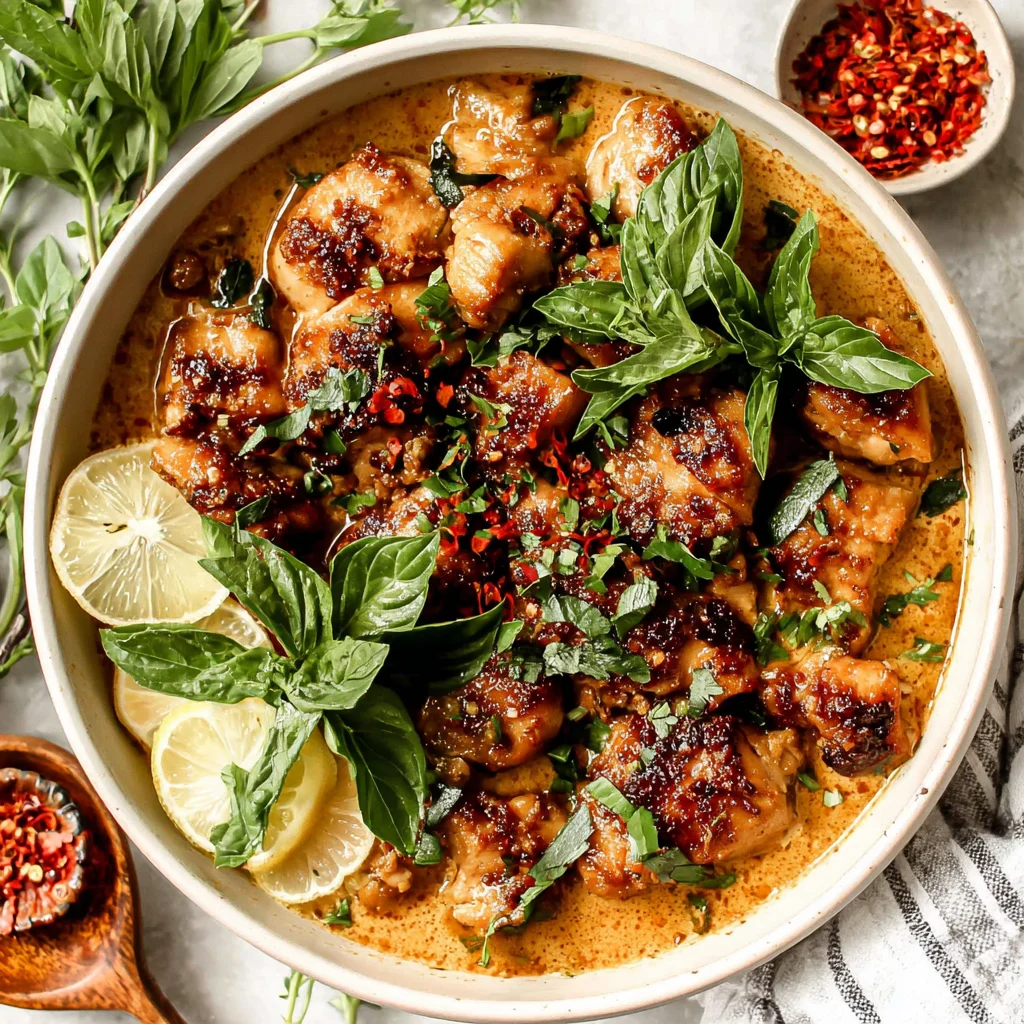
There’s something magical about the way lemongrass transforms a simple curry into an aromatic masterpiece. This Curry Chicken Lemongrass recipe brings the vibrant flavors of Thai cuisine right to your kitchen, combining tender chicken with the citrusy brightness of lemongrass and rich, creamy coconut milk. The result is a dish that’s both comforting and exotic, perfect for those nights when you crave something special but don’t want to spend hours in the kitchen.
Ingredients List
• 2 lbs boneless chicken thighs, cut into bite-sized pieces
• 3 stalks fresh lemongrass, bruised and chopped
• 1 can (14 oz) coconut milk
• 2 tablespoons red curry paste
• 1 medium onion, sliced
• 3 cloves garlic, minced
• 1 tablespoon fresh ginger, grated
• 2 tablespoons fish sauce
• 1 tablespoon brown sugar
• 1 red bell pepper, sliced
• 1 cup green beans, trimmed
• 2 tablespoons vegetable oil
• 1/4 cup fresh Thai basil leaves
• 2 kaffir lime leaves (optional)
• Salt to taste
Substitutions: If you can’t find fresh lemongrass, use 2 tablespoons of lemongrass paste. Green curry paste works well instead of red for a milder flavor. Chicken breast can replace thighs, though it may be less tender.
Timing
Prep time: 20 minutes
Cook time: 25 minutes
Total time: 45 minutes
For time management, prep all your vegetables and aromatics while the chicken marinates briefly with some curry paste. This recipe can be made a day ahead – the flavors actually improve overnight.
How to Make It
1. Prepare the Aromatics
Heat vegetable oil in a large pan or wok over medium-high heat. Add the bruised lemongrass, minced garlic, and grated ginger. Stir-fry for about 30 seconds until fragrant – you’ll smell the citrusy aroma of lemongrass mixing with the warm garlic and ginger. This step builds the flavor foundation, so don’t rush it. The aromatics should sizzle gently without browning too quickly.
2. Build the Curry Base
Add the sliced onion to the pan and cook for 3-4 minutes until softened and translucent. Push the aromatics to one side and add the red curry paste to the cleared space. Fry the paste for 1-2 minutes until it darkens slightly and becomes very fragrant – this process, called blooming, intensifies the curry’s depth. The paste should bubble and release oils, creating a rich, aromatic base.
3. Cook the Chicken
Add the chicken pieces to the pan, stirring to coat them with the curry mixture. Cook for 5-6 minutes, turning occasionally, until the chicken is mostly white on all sides but not fully cooked through. You’ll hear a satisfying sizzle as the chicken hits the hot curry base. The chicken will finish cooking in the coconut milk, so don’t worry about complete doneness at this stage.
4. Add Coconut Milk and Seasonings
Pour in the coconut milk, stirring to combine with the curry base. Add fish sauce, brown sugar, and kaffir lime leaves if using. Bring the mixture to a gentle boil, then reduce heat to maintain a steady simmer. The curry should bubble gently around the edges – vigorous boiling will cause the coconut milk to separate. Simmer for 8-10 minutes until the chicken is cooked through and the sauce has thickened slightly.
5. Add Vegetables and Finish
Stir in the bell pepper and green beans. Continue simmering for 5-6 minutes until the vegetables are tender-crisp and bright in color. The green beans should still have a slight snap when bitten. Taste and adjust seasoning with salt or additional fish sauce. Remove from heat and stir in fresh Thai basil leaves – they’ll wilt beautifully in the residual heat, releasing their distinctive peppery-sweet aroma.
6. Final Touch
Let the curry rest for 2-3 minutes before serving. This brief resting period allows the flavors to meld and the sauce to reach the perfect consistency. The finished curry should have a creamy, slightly thick sauce that coats the chicken and vegetables beautifully.
Nutritional Information
Per serving (serves 4): Approximately 420 calories, 28g protein, 12g carbohydrates, 30g fat. This dish provides excellent protein and healthy fats from coconut milk. Rich in vitamin C from bell peppers and antioxidants from fresh herbs and spices. Values are approximate and may vary based on ingredients used.
Serving Suggestions
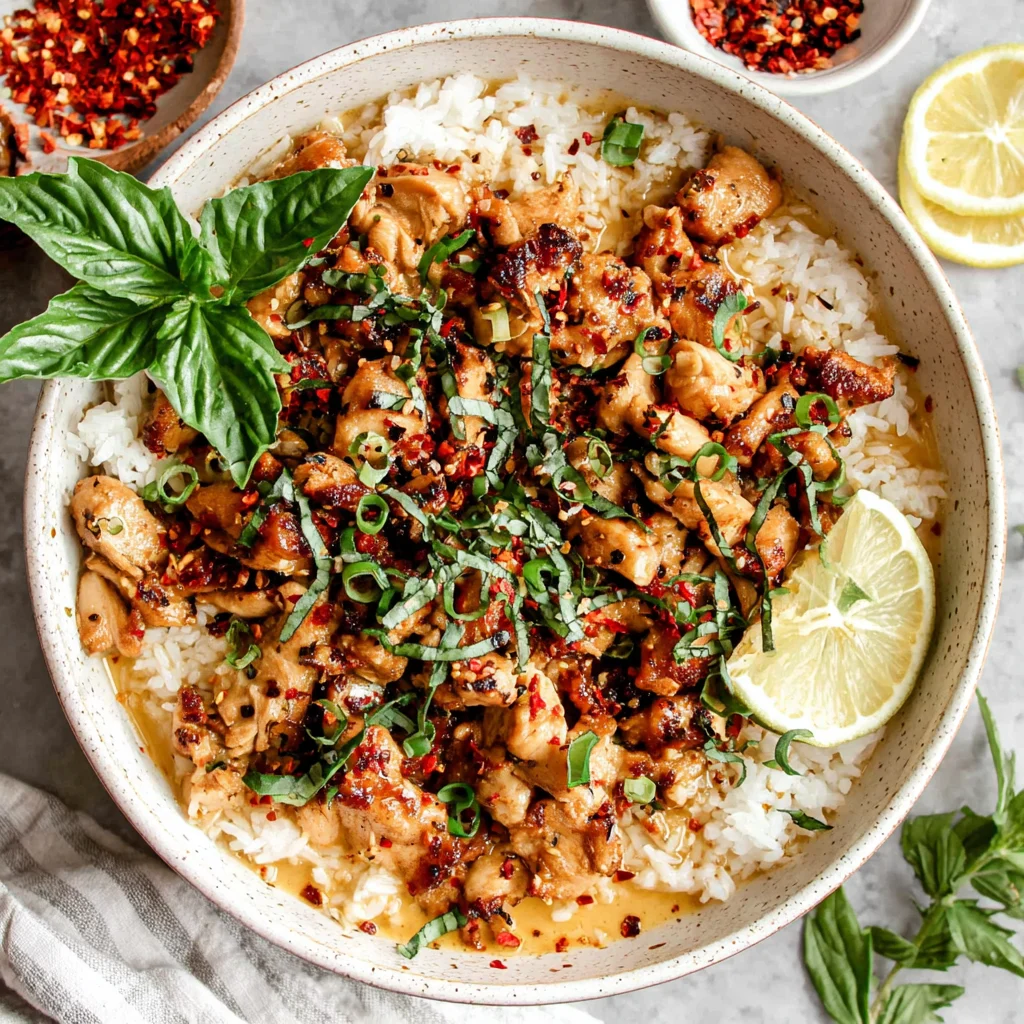
Serve this aromatic curry chicken lemongrass over steamed jasmine rice or with warm naan bread to soak up the flavorful sauce. Garnish with extra Thai basil leaves, sliced chilies, and lime wedges for added freshness. Plan for about 1 cup of curry per person as a main dish.
Common Mistakes to Avoid
Don’t skip bruising the lemongrass – this releases essential oils for maximum flavor. Avoid using coconut cream instead of coconut milk, as it’s too thick and rich. Never boil the curry vigorously once coconut milk is added, as this causes separation. Finally, don’t overcook the vegetables – they should retain some texture and vibrant color for the best eating experience.
Storing Tips
Refrigerate leftovers in an airtight container for up to 3 days. The curry can be frozen for up to 3 months, though the texture of vegetables may soften slightly. Reheat gently on the stovetop over low heat, stirring occasionally to prevent the coconut milk from separating.
Conclusion
This curry chicken lemongrass recipe delivers restaurant-quality Thai flavors with simple home cooking techniques. The aromatic blend of lemongrass, curry, and coconut creates a memorable meal that’s both satisfying and exotic. Give it a try and let us know how your Thai-inspired creation turns out!
Common Questions
Can I use dried lemongrass instead of fresh?
Dried lemongrass works in a pinch, but use only 1 tablespoon as it’s more concentrated. Soak it in warm water for 10 minutes before using to rehydrate and release more flavor.
What if my curry is too spicy?
Add more coconut milk or a tablespoon of brown sugar to balance the heat. You can also stir in a dollop of plain yogurt off the heat to cool things down.
How do I know when the chicken is fully cooked?
The chicken should reach 165°F internal temperature and show no pink when cut. In this curry, properly cooked chicken will be tender and easily shreddable with a fork.
Can I make this curry vegetarian?
Absolutely! Replace chicken with firm tofu, eggplant, or mixed vegetables. Substitute soy sauce for fish sauce and add extra vegetables like mushrooms or baby corn for substance.
Why is my coconut milk separating?
High heat causes coconut milk to curdle. Keep the heat at medium-low once you add coconut milk, and stir gently. If separation occurs, whisk vigorously off the heat to re-emulsify.
For more delicious Thai-inspired dishes and cooking tips, check out our recipe collection on Pinterest!
Curry Chicken Lemongrass
Ingredients
Method
- Heat vegetable oil in a large pan or wok over medium-high heat. Add the bruised lemongrass, minced garlic, and grated ginger. Stir-fry for about 30 seconds until fragrant.
- Add the sliced onion to the pan and cook for 3-4 minutes until softened and translucent. Push the aromatics to one side and add the red curry paste to the cleared space. Fry the paste for 1-2 minutes until it darkens slightly and becomes very fragrant.
- Add the chicken pieces to the pan, stirring to coat them with the curry mixture. Cook for 5-6 minutes, turning occasionally, until the chicken is mostly white on all sides but not fully cooked through.
- Pour in the coconut milk, stirring to combine with the curry base. Add fish sauce, brown sugar, and kaffir lime leaves if using. Bring the mixture to a gentle boil, then reduce heat to maintain a steady simmer. Simmer for 8-10 minutes until the chicken is cooked through and the sauce has thickened slightly.
- Stir in the bell pepper and green beans. Continue simmering for 5-6 minutes until the vegetables are tender-crisp and bright in color. Taste and adjust seasoning with salt or additional fish sauce. Remove from heat and stir in fresh Thai basil leaves.
- Let the curry rest for 2-3 minutes before serving to allow the flavors to meld and the sauce to reach the perfect consistency.