
Introduction
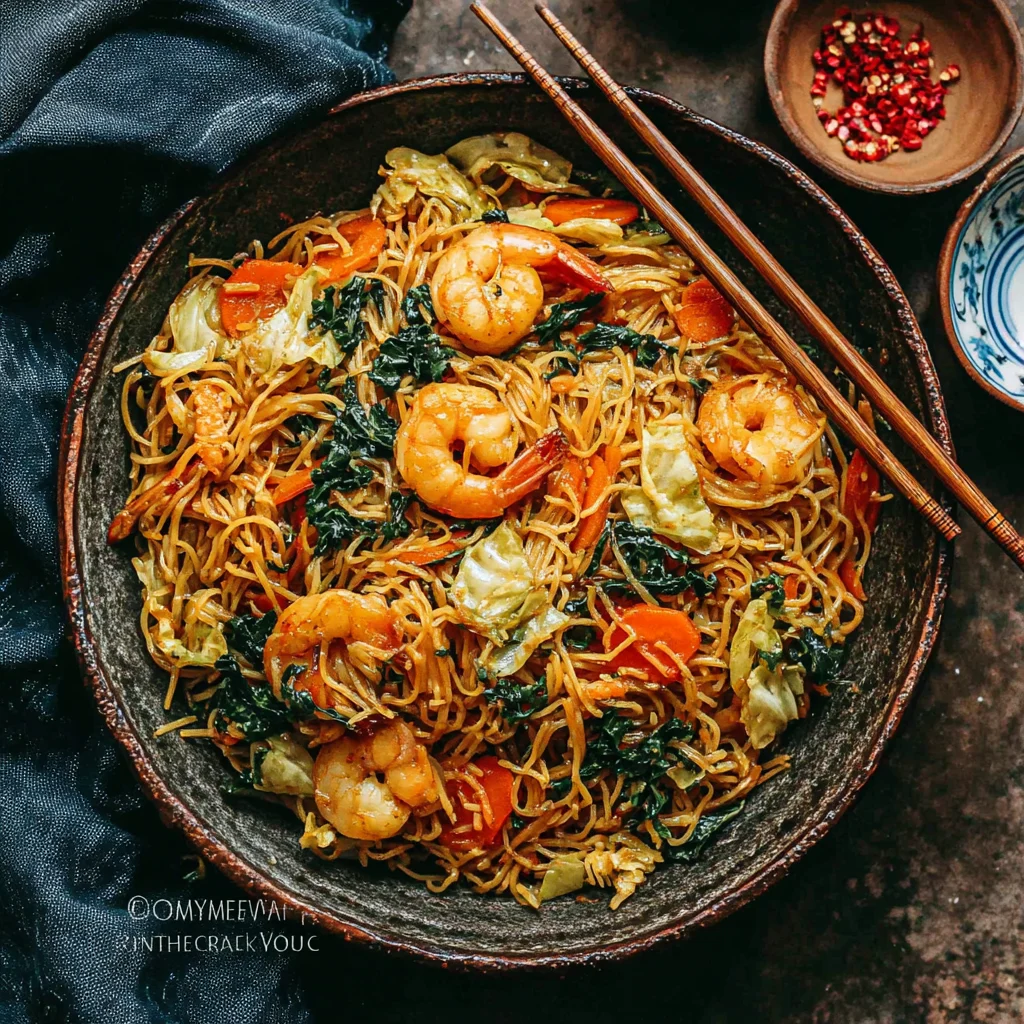
Nothing beats the satisfaction of twirling crispy noodles around your fork while savoring perfectly seasoned shrimp in a savory sauce. This shrimp chow mein recipe brings the beloved flavors of your favorite Chinese restaurant straight to your kitchen, and honestly, it might just taste better than takeout.
Growing up, chow mein was always the dish that brought our family together around the dinner table. The combination of tender shrimp, crisp vegetables, and those golden, slightly chewy noodles creates a symphony of textures that never fails to comfort and satisfy. What makes this recipe truly special is how the ingredients come together in perfect harmony – each bite offers something different, yet everything works beautifully as one.
The beauty of this dish lies in its versatility and speed. While it may look complex, this shrimp chow mein recipe is surprisingly straightforward, making it perfect for busy weeknights when you want something delicious without the fuss. The key is having everything prepped and ready to go before you start cooking, as this dish comes together quickly once you begin.
Ingredients
For the Noodles:
- 8 oz fresh or dried chow mein noodles (or thin spaghetti as substitute)
- 2 tablespoons vegetable oil for cooking noodles
For the Shrimp and Vegetables:
- 1 lb medium shrimp, peeled and deveined
- 2 tablespoons cornstarch
- 3 tablespoons vegetable oil, divided
- 1 medium onion, thinly sliced
- 2 carrots, julienned
- 2 cups fresh bean sprouts
- 3 green onions, cut into 2-inch pieces
- 3 cloves garlic, minced
- 1 tablespoon fresh ginger, minced
For the Sauce:
- 3 tablespoons soy sauce
- 2 tablespoons oyster sauce
- 1 tablespoon dark soy sauce (for color)
- 1 teaspoon sesame oil
- 1 teaspoon sugar
- 1/4 cup chicken broth
- 1 teaspoon cornstarch
Substitution Notes: For gluten-free options, use rice noodles and tamari instead of soy sauce. Vegetarians can substitute shrimp with firm tofu and use vegetable broth instead of chicken broth.
Timing
Total Time: 35 minutes
- Prep Time: 20 minutes
- Cooking Time: 15 minutes
Time Management Tips: Start by cooking your noodles first, as they can sit while you prepare everything else. Mix your sauce in advance and have all vegetables chopped before you begin stir-frying. This dish moves quickly once you start, so having everything ready is essential for success.
Make-Ahead Suggestion: You can prep all vegetables and marinate the shrimp up to 4 hours ahead. Store components separately in the refrigerator until ready to cook.
How to Make It
1. Prepare the Noodles
Cook chow mein noodles according to package directions until just tender. Drain and rinse with cold water to stop cooking. Toss with 1 tablespoon of oil to prevent sticking and set aside. If using fresh noodles, blanch them briefly in boiling water for 30 seconds.
2. Make the Sauce
In a small bowl, whisk together soy sauce, oyster sauce, dark soy sauce, sesame oil, sugar, chicken broth, and cornstarch until smooth. The cornstarch will help thicken the sauce and create that glossy finish you see in restaurants.
3. Prepare the Shrimp
Pat shrimp completely dry and toss with 2 tablespoons cornstarch until evenly coated. This coating will help the shrimp stay tender and create a slight crispiness when cooked. Let them sit for 5 minutes to allow the cornstarch to adhere properly.
4. Cook the Shrimp
Heat 1 tablespoon oil in a large wok or skillet over medium-high heat. Add shrimp in a single layer and cook for 1-2 minutes per side until pink and cooked through. Remove shrimp to a plate and set aside. Don't overcook – they'll finish cooking when everything comes together.
5. Stir-Fry the Vegetables
Add another tablespoon of oil to the same pan. Add onions and carrots first, stir-frying for 2-3 minutes until slightly softened. Add garlic and ginger, cooking for 30 seconds until fragrant. The aromatics should sizzle immediately when they hit the pan.
6. Combine Everything
Add bean sprouts and green onions to the vegetables, tossing for 1 minute. Return noodles and shrimp to the pan, then pour the sauce over everything. Toss continuously for 2-3 minutes until the sauce coats everything evenly and the noodles are heated through.
Nutritional Information
Per Serving (serves 4):
- Calories: approximately 380
- Protein: 25g
- Carbohydrates: 45g
- Fat: 12g
- Fiber: 4g
- Sodium: 890mg
This dish provides excellent lean protein from shrimp, which is naturally low in calories and high in nutrients like selenium and vitamin B12. The vegetables add important vitamins, minerals, and fiber, while the noodles provide satisfying carbohydrates for energy. The cooking method uses minimal oil compared to deep-fried alternatives, making this a relatively balanced meal option.
Note: Nutritional values are approximate and may vary based on specific ingredients and portion sizes used.
Healthier Alternatives for the Recipe
Reduce Sodium: Use low-sodium soy sauce and reduce the amount by half, adding more fresh ginger and garlic for flavor depth.
Lower Carbs: Replace half the noodles with spiralized zucchini or shirataki noodles for a lighter version that still satisfies.
Vegetarian Version: Substitute extra-firm tofu or mushrooms for shrimp. Press tofu well and cube it, then coat with cornstarch the same way you would shrimp.
Gluten-Free: Use rice noodles or gluten-free pasta, and substitute tamari for soy sauce. Check that your oyster sauce is gluten-free or use mushroom sauce instead.
Add More Vegetables: Bulk up the dish with bell peppers, snap peas, or broccoli florets for extra nutrients and fiber without significantly increasing calories.
Serving Suggestions
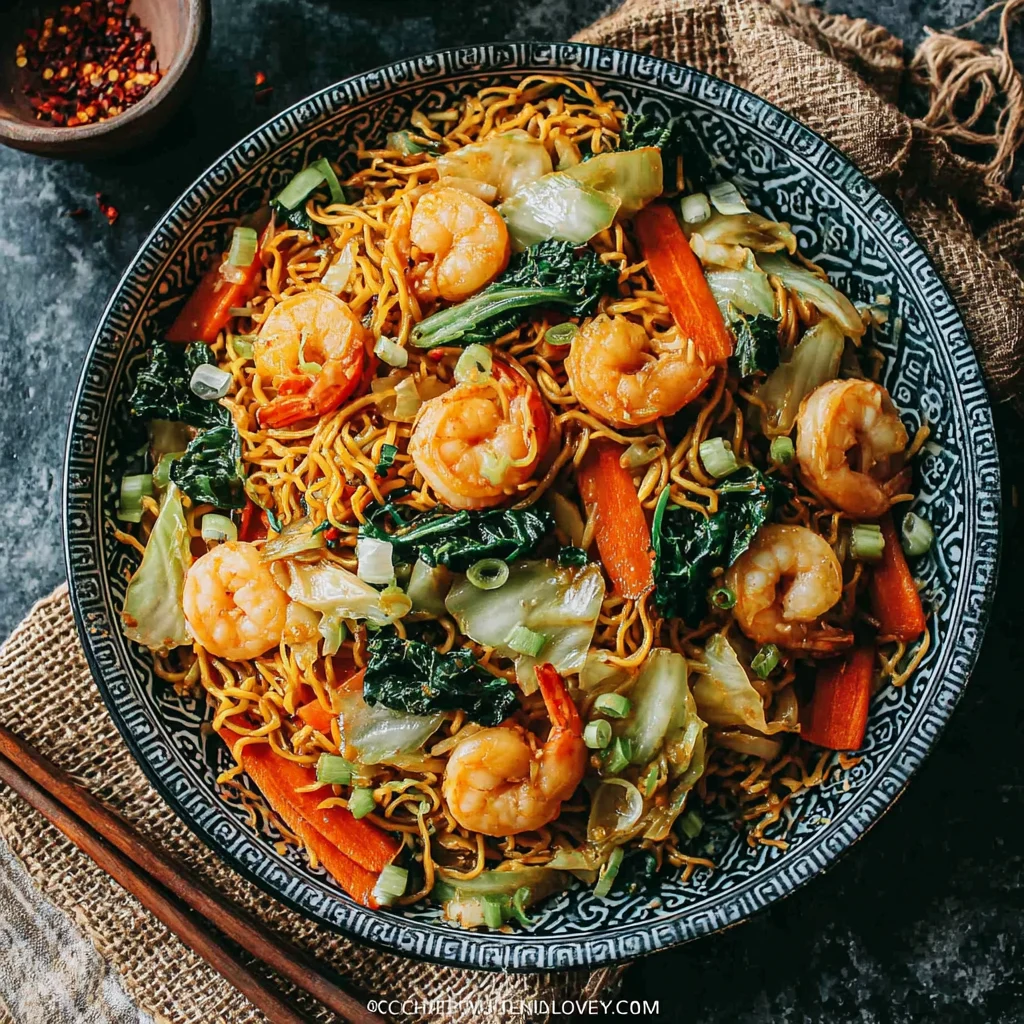
Serve immediately while hot in warmed bowls for the best experience. Garnish with additional sliced green onions and a sprinkle of sesame seeds for extra flavor and visual appeal.
Complementary Sides: Pair with steamed dumplings, hot and sour soup, or a simple cucumber salad dressed with rice vinegar for a complete meal.
Portion Guidance: This recipe serves 4 as a main dish or 6 as part of a larger Chinese meal with multiple dishes.
Special Occasion Ideas: Double the recipe for parties and serve in a large serving bowl with serving chopsticks for an authentic family-style presentation.
Common Mistakes to Avoid
Overcrowding the Pan: Cook in batches if necessary. Too many ingredients at once will steam rather than stir-fry, resulting in soggy vegetables and chewy shrimp.
Overcooking the Shrimp: Shrimp cook very quickly and become rubbery when overdone. Remove them as soon as they turn pink and curl slightly.
Not Having Everything Ready: Stir-frying happens fast. Have all ingredients prepped and the sauce mixed before you start cooking.
Using the Wrong Heat: Keep heat at medium-high throughout cooking. Too low and you won't get the proper "wok hei" flavor; too high and ingredients will burn before cooking through.
Sauce Timing: Add the sauce at the very end to prevent it from burning and to ensure it coats everything evenly.
Storing Tips for the Recipe
Refrigerator Storage: Store leftovers in airtight containers for up to 3 days. The noodles may absorb some sauce, which is normal.
Reheating Instructions: Reheat in a large skillet over medium heat with a splash of water or broth to loosen the noodles. Stir gently to avoid breaking the noodles. Microwave reheating works but may result in slightly softer textures.
Freezing: While not ideal due to the shrimp and vegetables' texture changes, you can freeze for up to 1 month. Thaw completely before reheating and expect a softer texture.
Make-Ahead Tips: Cook the noodles and prepare vegetables up to one day ahead. Store separately and combine during final cooking for best results.
Conclusion
This shrimp chow mein recipe proves that restaurant-quality Chinese food is absolutely achievable in your own kitchen. The combination of perfectly cooked shrimp, crisp-tender vegetables, and savory noodles creates a meal that's both satisfying and impressive enough for guests.
What I love most about this recipe is how it brings people together – there's something magical about sharing a steaming bowl of homemade chow mein with family and friends. The flavors are bold yet balanced, and the textures keep every bite interesting.
Don't be intimidated by the stir-fry technique – with a little practice, you'll be tossing noodles like a pro. Give this recipe a try, and I'd love to hear about your own variations or family additions that make it uniquely yours!
FAQs
Can I use frozen shrimp for this recipe?
Absolutely! Just make sure to thaw them completely and pat them very dry before coating with cornstarch. Excess moisture will prevent proper browning and can make the dish watery.
What if I can't find chow mein noodles?
Thin spaghetti, linguine, or even ramen noodles (without the seasoning packet) work well as substitutes. Fresh lo mein noodles are also excellent if available at your local Asian market.
How do I prevent my vegetables from getting mushy?
Cut vegetables uniformly for even cooking and add them in order of cooking time needed. Harder vegetables like carrots go in first, while delicate ones like bean sprouts go in last.
Can I make this dish spicier?
Yes! Add sliced fresh chilies with the garlic and ginger, or stir in chili garlic sauce or sriracha with the other sauce ingredients. Start with a small amount and adjust to taste.
Why does my sauce seem thin compared to restaurants?
Restaurant versions often use more cornstarch and cook at extremely high heat. Make sure your cornstarch is well-dissolved in the sauce, and don't add extra liquid during cooking.
How do I know when the shrimp are perfectly cooked?
Shrimp are done when they turn pink and form a loose "C" shape. If they curl into tight circles, they're overcooked. The whole process should take no more than 3-4 minutes total.