
Introduction
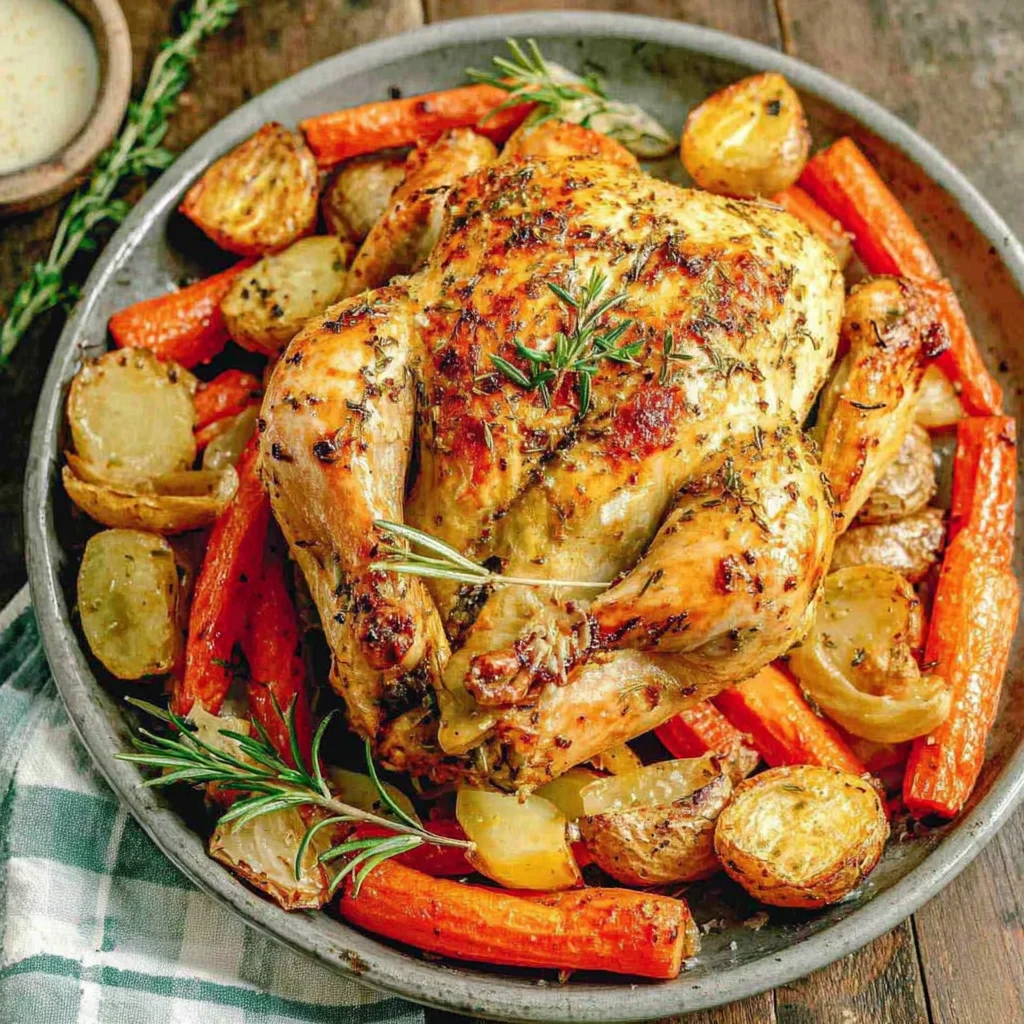
When I first discovered how to make a roasted Cornish hen recipe, it completely transformed my approach to intimate dinner parties and special occasions. This elegant single-serving bird delivers all the drama and sophistication of a traditional roast chicken but with a fraction of the effort and cooking time.
Cornish hens have a fascinating culinary history – despite their name, they’re actually not from Cornwall, England, but were developed in America in the 1950s. These tender, flavorful birds are perfect for creating restaurant-quality meals at home, offering each guest their own beautifully presented whole bird. The crispy, golden skin gives way to incredibly juicy meat that’s been infused with aromatic herbs and spices, creating a dining experience that feels both luxurious and comforting.
Ingredients List
For the Cornish Hens:
- 2 Cornish hens (1.5-2 pounds each)
- 3 tablespoons olive oil or melted butter
- 2 lemons (1 juiced, 1 quartered)
- 4 garlic cloves, minced
Herb Seasoning Blend:
- 1 tablespoon fresh rosemary, chopped (or 1 teaspoon dried)
- 1 tablespoon fresh thyme leaves (or 1 teaspoon dried)
- 2 teaspoons paprika
- 1 teaspoon salt
- ½ teaspoon black pepper
- ½ teaspoon garlic powder
Aromatic Stuffing:
- 1 small onion, quartered
- 2 celery stalks, chopped
- 4 lemon quarters (from above)
- Fresh herb sprigs
Substitution Tips: For dairy-free preparation, use olive oil instead of butter. Those following a low-sodium diet can reduce salt and enhance flavor with additional herbs and citrus zest. Fresh herbs always provide the best flavor, but dried herbs work perfectly when fresh aren’t available – just use about one-third the amount.
Timing
This roasted Cornish hen recipe requires approximately 1 hour and 45 minutes total:
- Preparation time: 20 minutes
- Cooking time: 1 hour 15 minutes
- Resting time: 10 minutes
Time Management Tips: Start by preheating your oven while you prepare the seasoning blend. The hens can be seasoned and stuffed up to 4 hours ahead and refrigerated, which actually improves flavor penetration. While the birds roast, use the time to prepare side dishes or set your table. The natural cooking juices create an excellent base for gravy if you want to multitask further.
How to Make It
1. Prepare the Hens
Remove the Cornish hens from refrigeration 30 minutes before cooking to bring them to room temperature. Pat each hen completely dry with paper towels – this crucial step ensures crispy skin. Remove any giblets from the cavity and trim excess fat around the neck area.
2. Create the Seasoning Mix
Combine rosemary, thyme, paprika, salt, pepper, and garlic powder in a small bowl. The aroma that emerges when you mix these herbs will give you a preview of the incredible flavors to come. This blend can be made days ahead and stored in an airtight container.
3. Season Inside and Out
Rub the cavity of each hen with lemon juice and a pinch of the seasoning blend. Stuff each cavity with onion quarters, celery pieces, lemon quarters, and herb sprigs. This aromatic stuffing infuses the meat from within while keeping it incredibly moist.
4. Apply the External Seasoning
Brush the entire surface of each hen with olive oil or melted butter, ensuring you get under the wings and legs. Generously apply the remaining seasoning blend, gently pressing it into the skin. The oil helps the herbs adhere and promotes that coveted golden-brown color.
5. Truss for Even Cooking
Using kitchen twine, tie the legs together and tuck the wing tips under the body. This prevents overcooking of the extremities and creates an attractive presentation. Don’t worry about perfect technique – even loose trussing makes a significant difference.
6. Roast to Perfection
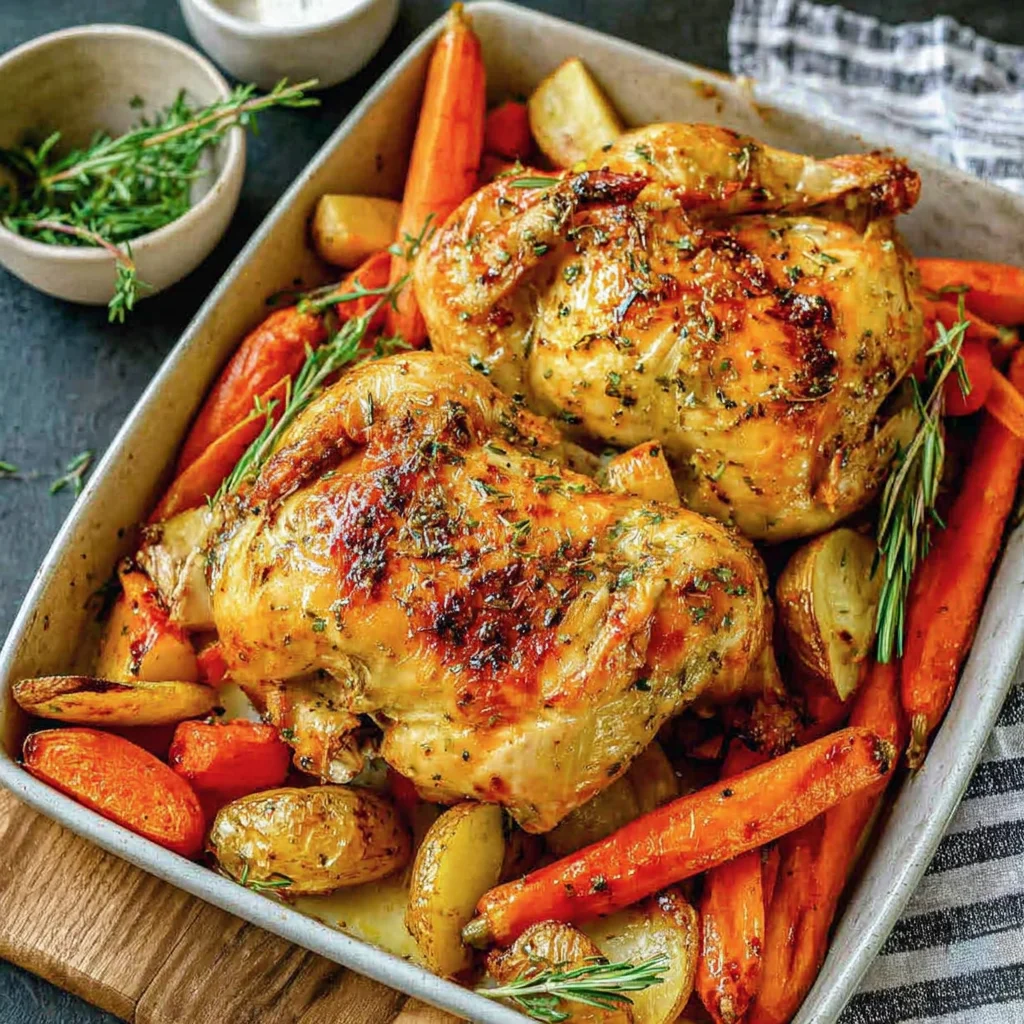
Place the hens breast-side up on a rimmed baking sheet or roasting pan. Roast at 425°F for 60-75 minutes, until the internal temperature reaches 165°F in the thickest part of the thigh. The skin should be deep golden brown and crispy.
7. Rest and Serve
Allow the hens to rest for 10 minutes before serving. This resting period allows juices to redistribute throughout the meat, ensuring each bite is succulent and flavorful.
Nutritional Information
Each Cornish hen provides approximately 300-400 calories per serving (half a hen), making it a moderate-calorie protein option that’s naturally rich in essential nutrients. These birds are excellent sources of high-quality protein, supporting muscle health and satiety.
Cornish hens provide important B vitamins, particularly B6 and B12, which support energy metabolism and nervous system function. They’re also good sources of selenium, zinc, and phosphorus. The herbs in this recipe contribute antioxidants and anti-inflammatory compounds, while the minimal processing keeps sodium levels reasonable.
Since nutritional content can vary based on cooking methods and specific ingredients used, these values are approximate. The skin adds calories and fat, so those monitoring intake can remove it after cooking while still enjoying the flavor it imparts during roasting.
Healthier Alternatives for the Recipe
Lower Calorie Options: Remove the skin before eating to reduce calories by about 30%. Use cooking spray instead of oil for basting, or try herb-infused broth for moisture without added fats.
Reduced Sodium Modifications: Replace salt with additional herbs, citrus zest, and spices like cumin or coriander. Lemon pepper seasoning (salt-free versions) works beautifully with poultry.
Gluten-Free Considerations: This recipe is naturally gluten-free, making it perfect for those with celiac disease or gluten sensitivity.
Heart-Healthy Adaptations: Emphasize herbs and spices over salt, and consider serving with roasted vegetables instead of traditional heavy sides. The lean protein supports heart health when part of a balanced diet.
Serving Suggestions
Present each hen on individual plates for an elegant restaurant-style presentation, or place them on a large platter for family-style serving. The golden-brown birds are stunning enough to be your table’s centerpiece.
Perfect Pairings: Roasted root vegetables like carrots, parsnips, and Brussels sprouts complement the herbs beautifully. Creamy mashed potatoes or wild rice pilaf make excellent bases for the flavorful pan juices. A crisp white wine like Sauvignon Blanc or a light Pinot Noir enhances the meal’s sophistication.
Seasonal Variations: In autumn, stuff with apple quarters and sage. Summer versions shine with fresh basil and cherry tomatoes. Winter preparations benefit from hardy herbs like rosemary and thyme.
Common Mistakes to Avoid
Skipping the Drying Step: Wet skin steams rather than crisps, resulting in rubbery texture. Always pat completely dry and let air-dry if time permits.
Overcrowding the Pan: Give each hen adequate space for air circulation. Crowded birds cook unevenly and steam rather than roast.
Not Using a Meat Thermometer: Visual cues can be misleading. Internal temperature is the only reliable indicator of doneness. Undercooked poultry poses health risks, while overcooked birds become dry.
Carving Too Soon: Resting allows juices to redistribute. Cutting immediately causes all the flavorful juices to run out onto the cutting board instead of staying in the meat.
Storing Tips for the Recipe
Refrigerator Storage: Cooked Cornish hens keep for 3-4 days when stored in airtight containers. Remove stuffing before storing and keep it separately for food safety.
Freezing Instructions: Cooked hens can be frozen for up to 3 months. Wrap tightly in freezer paper or vacuum-sealed bags. Thaw completely in the refrigerator before reheating.
Reheating Methods: Reheat in a 325°F oven, covered with foil to prevent drying. Add a splash of broth if needed. Avoid microwaving whole birds as this creates uneven heating and tough texture.
Make-Ahead Tips: Season the hens up to 24 hours in advance for deeper flavor penetration. Fully cooked hens can be prepared a day ahead and gently reheated for entertaining convenience.
Conclusion
This roasted Cornish hen recipe transforms any meal into a special occasion with minimal effort and maximum impact. The combination of aromatic herbs, citrus brightness, and perfectly crispy skin creates a dining experience that rivals the finest restaurants. The individual presentation makes each guest feel special while the straightforward technique builds confidence in home cooks of all skill levels.
The beauty of this recipe lies not just in its elegant presentation, but in its forgiving nature and adaptability to various dietary preferences and seasonal ingredients. Whether you’re planning an intimate dinner for two or hosting a small dinner party, these golden, herb-crusted birds deliver consistent, impressive results.
I encourage you to make this recipe your own by experimenting with different herb combinations or seasonal stuffings. Share your creative variations and cooking successes – there’s something truly satisfying about mastering this classic technique and watching your guests’ faces light up when you present their individual roasted hens.
FAQs
Can I cook Cornish hens from frozen?
It’s best to thaw Cornish hens completely before cooking for even results. Thaw in the refrigerator for 24 hours. If cooking from frozen, increase cooking time by about 50% and check internal temperature carefully.
What if I can’t find Cornish hens?
Small chickens (2-3 pounds) work similarly, though cooking time will increase. You can also use this seasoning blend on chicken pieces, adjusting cooking times accordingly.
How do I know when they’re perfectly cooked?
Use a meat thermometer inserted into the thickest part of the thigh – it should read 165°F. The juices should run clear, not pink, and the leg should move freely in its socket.
Can I stuff them with traditional bread stuffing?
For food safety, avoid dense bread stuffings that may not reach safe temperatures. Stick to aromatic vegetables and herbs that enhance flavor without food safety concerns.
What’s the best way to carve Cornish hens?
Use kitchen shears or a sharp knife to cut along the backbone, then through the breastbone. Each hen easily serves one person, so individual presentation is often preferred over carving.
Can this recipe be doubled for larger gatherings?
Absolutely! Use multiple baking sheets to avoid overcrowding. All timing and temperatures remain the same, though you may need to rotate pans halfway through cooking for even browning.