
Introduction
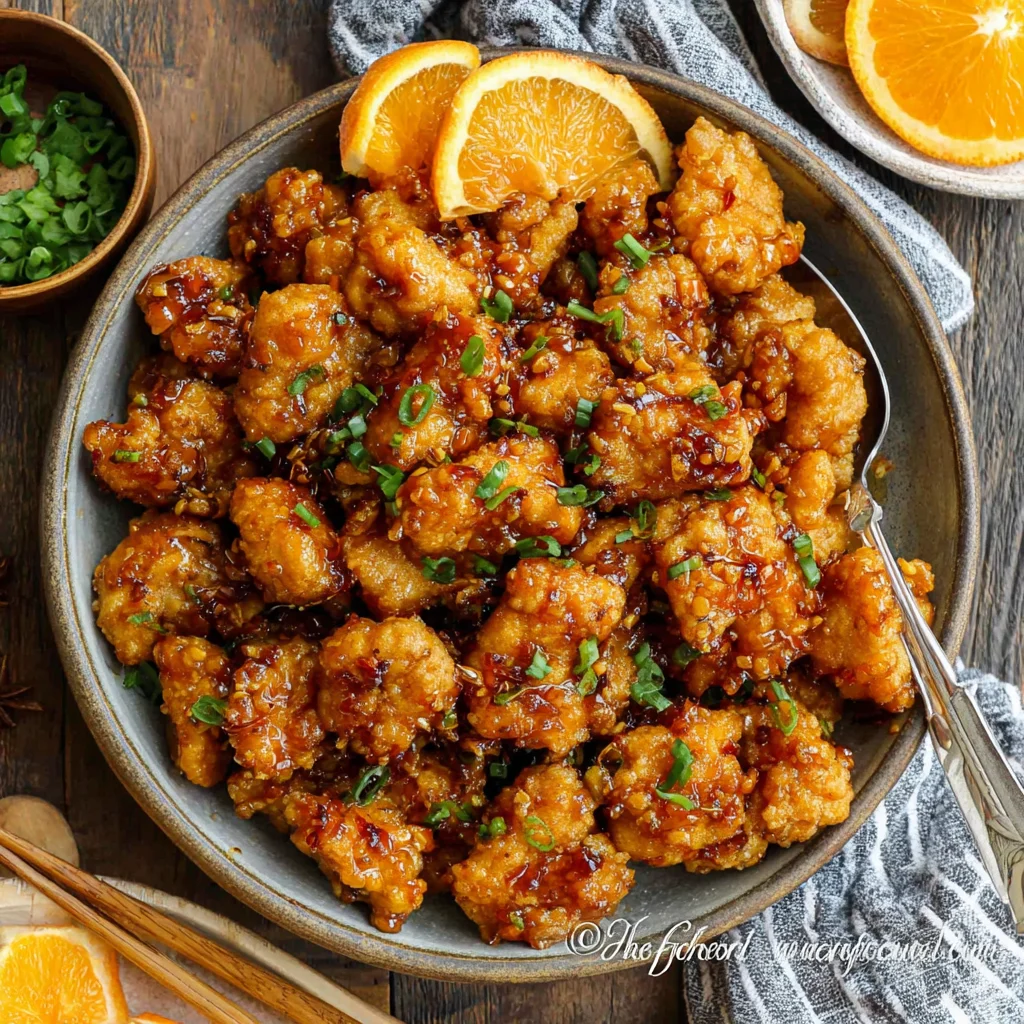
There's something magical about the aroma of sweet and tangy orange sauce sizzling in a hot pan, filling your kitchen with the irresistible scent of homemade orange chicken. This beloved dish, with its perfect balance of crispy chicken and glossy citrus glaze, transforms an ordinary weeknight into something special.
While orange chicken has become a staple at Chinese-American restaurants, creating this masterpiece in your own kitchen gives you complete control over the flavors and quality. The beauty of homemade orange chicken lies in its simplicity – tender pieces of chicken coated in a light, crispy batter, then tossed in a vibrant sauce that hits all the right notes of sweet, tangy, and slightly savory.
What makes this recipe truly special is how it captures that restaurant-quality taste while using ingredients you likely already have in your pantry. The homemade version allows you to adjust the sweetness, add more heat if you prefer, and ensure every bite is as fresh and flavorful as possible.
Ingredients List
For the Chicken:
- 2 pounds boneless, skinless chicken thighs or breasts, cut into bite-sized pieces
- 1 cup all-purpose flour (or gluten-free flour blend for dietary needs)
- 1/2 cup cornstarch
- 2 large eggs, beaten
- 1 teaspoon salt
- 1/2 teaspoon black pepper
- Vegetable oil for frying (about 3-4 cups)
For the Orange Sauce:
- 1 cup fresh orange juice (about 3-4 large oranges)
- 1/2 cup granulated sugar (or honey for a natural alternative)
- 1/3 cup rice vinegar (white vinegar works as substitute)
- 3 tablespoons soy sauce (use tamari for gluten-free option)
- 2 tablespoons orange zest
- 3 cloves garlic, minced
- 1 tablespoon fresh ginger, grated
- 2 tablespoons cornstarch mixed with 3 tablespoons cold water
- 1/4 teaspoon red pepper flakes (optional)
For Garnish:
- 3 green onions, sliced thin
- 1 tablespoon sesame seeds
- Orange slices for decoration
The key to exceptional flavor lies in using fresh orange juice and zest rather than bottled alternatives. If you need dairy-free options, this recipe naturally accommodates that requirement, while those following a low-sodium diet can reduce the soy sauce and add extra citrus for brightness.
Timing
This delightful homemade orange chicken comes together faster than you might expect, making it perfect for busy weeknights when you're craving something special.
Preparation Time: 20 minutes
Cooking Time: 25 minutes
Total Time: 45 minutes
Time Management Tips:
Start by preparing your sauce ingredients first – this allows the flavors to meld while you work on the chicken. While the oil heats for frying, you can cut and season your chicken pieces. The sauce cooks quickly, so have everything measured and ready before you begin cooking.
Make-Ahead Opportunities:
You can prepare the chicken pieces and store them covered in the refrigerator up to 4 hours before cooking. The orange sauce can be made up to 2 days in advance and refrigerated. For busy schedules, consider frying the chicken in the morning and simply reheating it in the oven while you prepare fresh sauce for dinner.
How to Make It
1. Prepare the Chicken
Cut your chicken into uniform bite-sized pieces, roughly 1-inch cubes, ensuring even cooking. In a large bowl, whisk together flour, cornstarch, salt, and pepper. In a separate bowl, beat the eggs until smooth. Dip each piece of chicken first in the beaten eggs, allowing excess to drip off, then roll in the flour mixture until completely coated. The double coating creates that signature crispy exterior that makes restaurant-style orange chicken so irresistible.
2. Heat the Oil
Pour oil into a heavy-bottomed pot or deep skillet until it reaches about 2 inches deep. Heat to 350°F (175°C). You'll know the oil is ready when a small piece of batter dropped in sizzles immediately and rises to the surface. Proper oil temperature is crucial – too cool and your chicken will be greasy, too hot and it will burn before cooking through.
3. Fry the Chicken
Working in small batches to avoid overcrowding, carefully add chicken pieces to the hot oil. Fry for 3-4 minutes until golden brown and cooked through. The internal temperature should reach 165°F (74°C). Use a slotted spoon to transfer cooked chicken to a paper towel-lined plate. The gentle bubbling sound should be consistent – if it gets too vigorous, lower the heat slightly.
4. Make the Orange Sauce
While the chicken rests, prepare your sauce in a medium saucepan. Combine orange juice, sugar, rice vinegar, soy sauce, orange zest, minced garlic, and grated ginger. Bring the mixture to a simmer over medium heat, stirring occasionally. The kitchen will fill with an amazing citrusy aroma that signals you're on the right track.
5. Thicken the Sauce
Once the sauce is simmering and the sugar has dissolved completely, stir the cornstarch slurry once more (it separates quickly) and slowly pour it into the pan while whisking continuously. Continue cooking for 2-3 minutes until the sauce thickens to a glossy, syrup-like consistency that will coat the chicken beautifully.
6. Combine and Serve
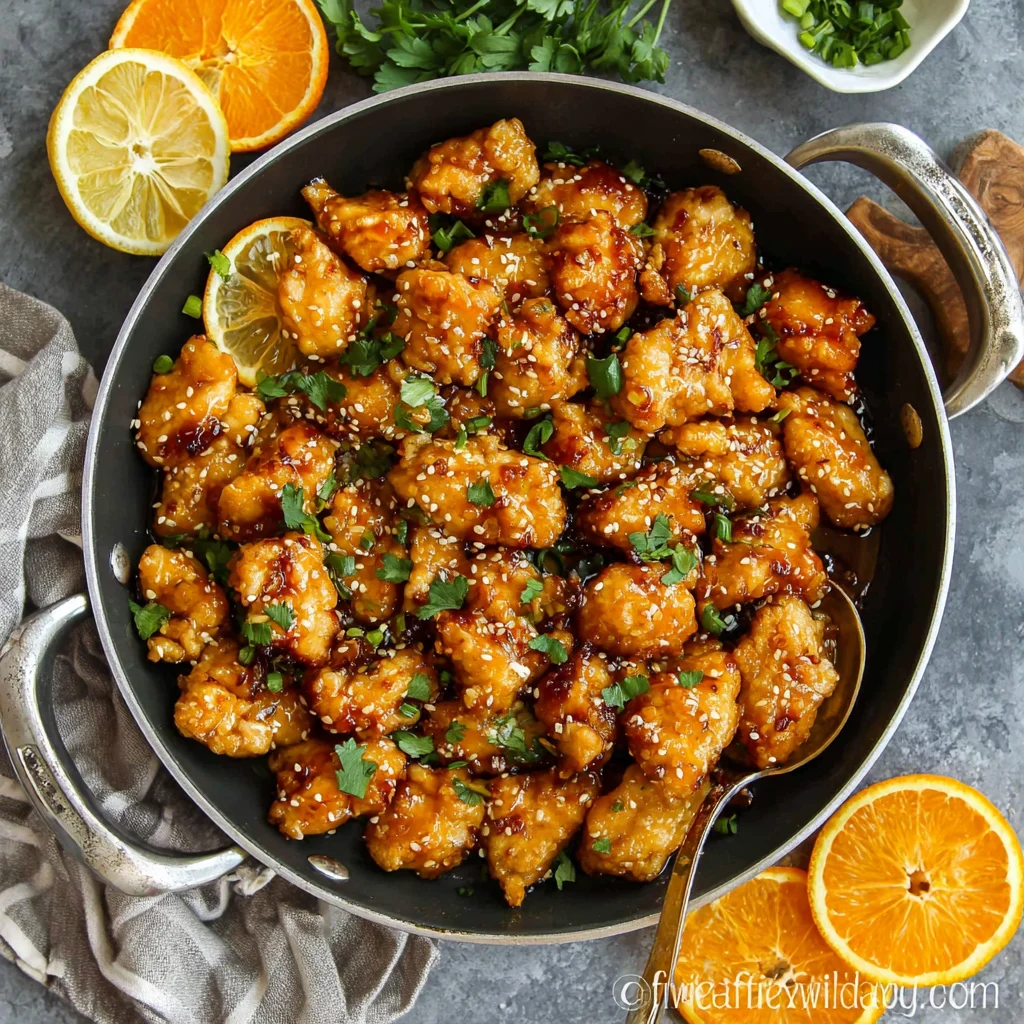
Add the crispy chicken pieces to the sauce and gently toss until every piece is coated in that gorgeous orange glaze. The sauce should cling to the chicken without being too thick or too thin. Garnish with sliced green onions and sesame seeds for a pop of color and extra flavor.
Nutritional Information
Each serving of homemade orange chicken (based on 6 servings) provides approximately:
- Calories: 320-350 per serving
- Protein: 28-32 grams
- Carbohydrates: 25-30 grams
- Fat: 12-15 grams
This dish offers excellent protein content from the chicken, supporting muscle health and satisfaction. The fresh orange juice provides vitamin C and natural antioxidants, while the moderate carbohydrate content makes it suitable for most balanced eating plans. The homemade version contains significantly less sodium than restaurant alternatives, and you control the sugar content.
When compared to takeout versions, homemade orange chicken allows you to use higher-quality chicken and reduce unnecessary additives. The fresh ingredients provide better nutritional value, and you can adjust portion sizes to meet your specific dietary goals.
Nutritional values are approximate and may vary based on specific ingredients and preparation methods used.
Healthier Alternatives for the Recipe
Lower Calorie Options:
Bake the coated chicken pieces at 425°F for 15-18 minutes instead of frying, turning once halfway through. You'll still achieve a crispy texture while reducing oil content significantly. Use honey instead of granulated sugar in the sauce for natural sweetness with added minerals.
Gluten-Free Adaptations:
Substitute all-purpose flour with a gluten-free flour blend and replace soy sauce with tamari or coconut aminos. The texture remains excellent with these simple swaps, ensuring everyone can enjoy this delicious dish.
Reduced Sodium Alternatives:
Cut the soy sauce in half and add extra fresh ginger and orange zest for flavor complexity. You can also use low-sodium soy sauce and increase the rice vinegar slightly for tang.
Air Fryer Method:
For a modern twist, cook the coated chicken in an air fryer at 380°F for 12-15 minutes, shaking the basket every 5 minutes. This method produces wonderfully crispy results with minimal oil.
Serving Suggestions
Serve your homemade orange chicken over fluffy jasmine rice or brown rice for a complete meal. The rice absorbs the extra sauce beautifully, creating perfect flavor in every bite. For a lighter option, try it over cauliflower rice or mixed greens for a fresh salad approach.
Complementary Side Dishes:
Steamed broccoli, snap peas, or bok choy add wonderful color and nutrition to your plate. The vegetables' mild flavors balance the sweet and tangy sauce perfectly. For special occasions, consider serving with vegetable fried rice and pot stickers for a complete Chinese-American feast.
Presentation Ideas:
Garnish with thin orange slices, additional sesame seeds, and fresh cilantro for restaurant-worthy presentation. Serve in individual bowls or family-style on a large platter – both approaches work beautifully for different occasions.
Common Mistakes to Avoid
Overcrowding the Pan: Frying too much chicken at once lowers oil temperature, resulting in soggy, greasy coating. Work in batches for consistently crispy results.
Sauce Too Thick or Thin: If your sauce becomes too thick, add orange juice one tablespoon at a time. If too thin, mix additional cornstarch with cold water and add gradually while simmering.
Overcooked Chicken: Watch timing carefully – chicken pieces cook quickly and become tough when overdone. Use a meat thermometer when in doubt.
Sauce Separation: Always stir the cornstarch slurry immediately before adding to prevent lumps. Add it slowly while whisking to ensure smooth integration.
Temperature Troubles: Use a thermometer for oil temperature accuracy. Inconsistent heat leads to uneven cooking and texture issues.
Storing Tips for the Recipe
Refrigerator Storage: Store leftover orange chicken in airtight containers for up to 3 days. The sauce may thicken when cold, which is completely normal.
Reheating Instructions: For best results, reheat in a skillet over medium-low heat, adding a tablespoon of orange juice or water to loosen the sauce. Avoid microwaving if possible, as it can make the coating soggy.
Freezer Storage: While possible, freezing isn't recommended as the crispy coating doesn't maintain its texture well. The sauce, however, can be frozen separately for up to 3 months.
Make-Ahead Strategy: Prepare components separately – store cooked chicken and sauce in different containers, then combine when reheating for better texture retention.
Conclusion
Creating homemade orange chicken transforms your kitchen into a place of delicious possibilities. This recipe delivers all the flavors you love from your favorite restaurant while giving you complete control over ingredients and quality. The combination of crispy, tender chicken and that irresistible sweet-tangy orange glaze makes every bite a celebration of balanced flavors.
The beauty of making this dish at home lies not just in the incredible taste, but in the satisfaction of creating something special with your own hands. Whether you're cooking for family dinner or entertaining friends, this homemade orange chicken never fails to impress.
Don't hesitate to make this recipe your own by adjusting the sweetness, adding extra heat, or trying the healthier alternatives suggested above. Every home cook brings their own touch to classic dishes, and that's what makes cooking such a joyful experience.
FAQs
Can I use chicken breast instead of thighs?
Absolutely! Chicken breasts work perfectly, though thighs tend to stay more tender and juicy. If using breasts, be extra careful not to overcook them, and consider cutting them into slightly smaller pieces for even cooking.
What if I don't have fresh oranges?
While fresh orange juice provides the best flavor, you can use high-quality bottled orange juice in a pinch. Avoid juice from concentrate when possible, and add a bit of fresh lemon zest to brighten the flavor.
How can I make the sauce spicier?
Increase the red pepper flakes, add a pinch of cayenne pepper to the sauce, or include some fresh jalapeño slices. Start small and adjust to your heat preference – you can always add more!
Can I prepare this dish ahead for meal prep?
Yes! Store the components separately – crispy chicken in one container and sauce in another. Combine and reheat when ready to eat for the best texture. The flavors actually develop nicely overnight.
What's the secret to extra crispy coating?
The key is the cornstarch-flour combination and proper oil temperature. Make sure your oil stays at 350°F, and don't skip the egg wash step. Some cooks even do a double dip in the flour mixture for extra crispiness.
Can I bake this instead of frying?
Definitely! Bake coated chicken pieces at 425°F for 15-18 minutes, turning once. While the texture differs slightly from fried, you'll still get deliciously crispy results with less oil.