
Introduction
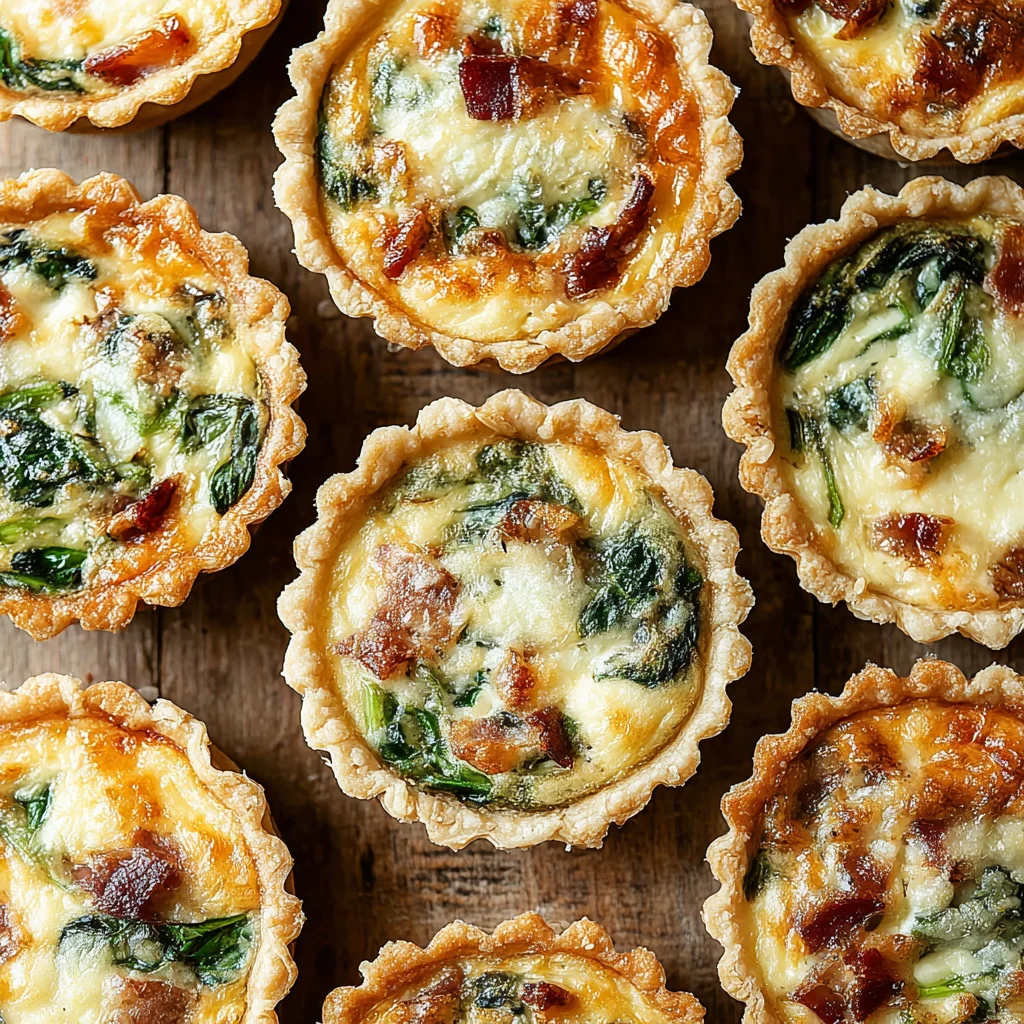
There’s something magical about bite-sized food that transforms any gathering into an elegant affair. This mini quiche recipe brings together the sophistication of French cuisine with the convenience of party appetizers, creating perfect little morsels that disappear as quickly as they’re served. Unlike their full-sized counterparts, these petite quiches offer endless possibilities for flavor combinations and presentation styles.
The beauty of mini quiches lies in their versatility and make-ahead convenience. Whether you’re hosting a brunch, planning a cocktail party, or preparing for a potluck, these golden custard cups deliver restaurant-quality results with surprisingly simple techniques. The buttery pastry shells cradle a rich, creamy filling that can be customized to suit any taste preference or dietary requirement. From classic ham and cheese to creative vegetarian combinations, this recipe serves as your foundation for countless variations that will impress guests and satisfy even the pickiest eaters.
Ingredients List
For the Pastry:
- 2 cups all-purpose flour (or gluten-free flour blend for dietary restrictions)
- 1/2 teaspoon salt
- 1/2 cup cold unsalted butter, cubed
- 4-6 tablespoons ice water
For the Custard Base:
- 6 large eggs, room temperature
- 1 cup heavy cream (substitute half-and-half for lighter option)
- 1/2 cup whole milk
- 1/2 teaspoon salt
- 1/4 teaspoon white pepper
- Pinch of nutmeg
For the Fillings:
- 1 cup cooked ham, diced (or cooked bacon, crumbled)
- 1 1/2 cups shredded cheese (Gruyère, cheddar, or Swiss)
- 1/2 cup caramelized onions
- 1/4 cup fresh chives, chopped
- Optional: spinach, mushrooms, sun-dried tomatoes, or bell peppers
Garnish Options:
- Fresh herbs (thyme, parsley, or chives)
- Cherry tomato halves
- Microgreens for elegant presentation
For dietary substitutions, replace heavy cream with coconut cream for dairy-free versions, use plant-based milk alternatives, and substitute nutritional yeast for cheese in vegan adaptations.
Timing
Total Time: 1 hour 45 minutes
- Prep Time: 30 minutes
- Pastry Chilling: 30 minutes
- Baking Time: 25-30 minutes
- Cooling Time: 15 minutes
The beauty of this mini quiche recipe lies in its make-ahead flexibility. Prepare the pastry shells up to two days in advance, storing them covered in the refrigerator. The custard filling can be mixed and refrigerated overnight, making morning assembly effortless.
For efficient time management, start by preparing the pastry while your oven preheats. While the shells chill, use that 30-minute window to prepare your fillings, grate cheese, and mix the custard base. This strategic approach ensures everything comes together seamlessly without rushing.
Consider making a double batch since these freeze beautifully for up to three months, providing you with elegant appetizers ready at a moment’s notice.
How to Make It
1. Prepare the Pastry Shells
Begin by combining flour and salt in a large mixing bowl. Add the cold, cubed butter and work it into the flour using your fingertips or a pastry cutter until the mixture resembles coarse breadcrumbs with some pea-sized butter pieces remaining. These butter pieces create the flaky texture that makes pastry irresistible.
Gradually add ice water, one tablespoon at a time, mixing gently with a fork until the dough just comes together. The key here is restraint – overworking creates tough pastry. Wrap the dough in plastic wrap and refrigerate for 30 minutes while you prepare your fillings.
Roll the chilled dough on a lightly floured surface to about 1/8-inch thickness. Using a round cookie cutter or glass, cut circles slightly larger than your mini muffin tin cups. Gently press each circle into the muffin cups, ensuring no air bubbles are trapped underneath.
2. Pre-bake the Shells
Preheat your oven to 375°F (190°C). Line each pastry shell with a small piece of parchment paper and fill with pie weights or dried beans. This prevents the bottoms from puffing up during baking.
Bake for 10 minutes, then carefully remove the weights and parchment. Return to the oven for another 3-5 minutes until the edges are lightly golden but not fully cooked. The shells will finish cooking with the filling, so slight underbaking at this stage is perfect.
3. Prepare the Custard Filling
In a large mixing bowl, whisk the eggs until smooth and well combined. Slowly add the heavy cream and milk, whisking constantly to prevent the eggs from scrambling. Season with salt, white pepper, and a pinch of nutmeg for that classic quiche flavor profile.
The custard should be silky and homogeneous. If you notice any lumps, strain the mixture through a fine-mesh sieve for the smoothest results. This extra step ensures your finished quiches have that professional, restaurant-quality texture.
4. Assemble and Bake
Reduce oven temperature to 350°F (175°C). Distribute your chosen fillings evenly among the pre-baked shells – a small amount of ham, a generous pinch of cheese, and whatever vegetables you’ve selected. Don’t overfill; the custard needs room to set properly.
Carefully pour the custard mixture into each shell, filling them about three-quarters full. The custard will puff slightly during baking, so leaving space prevents overflow.
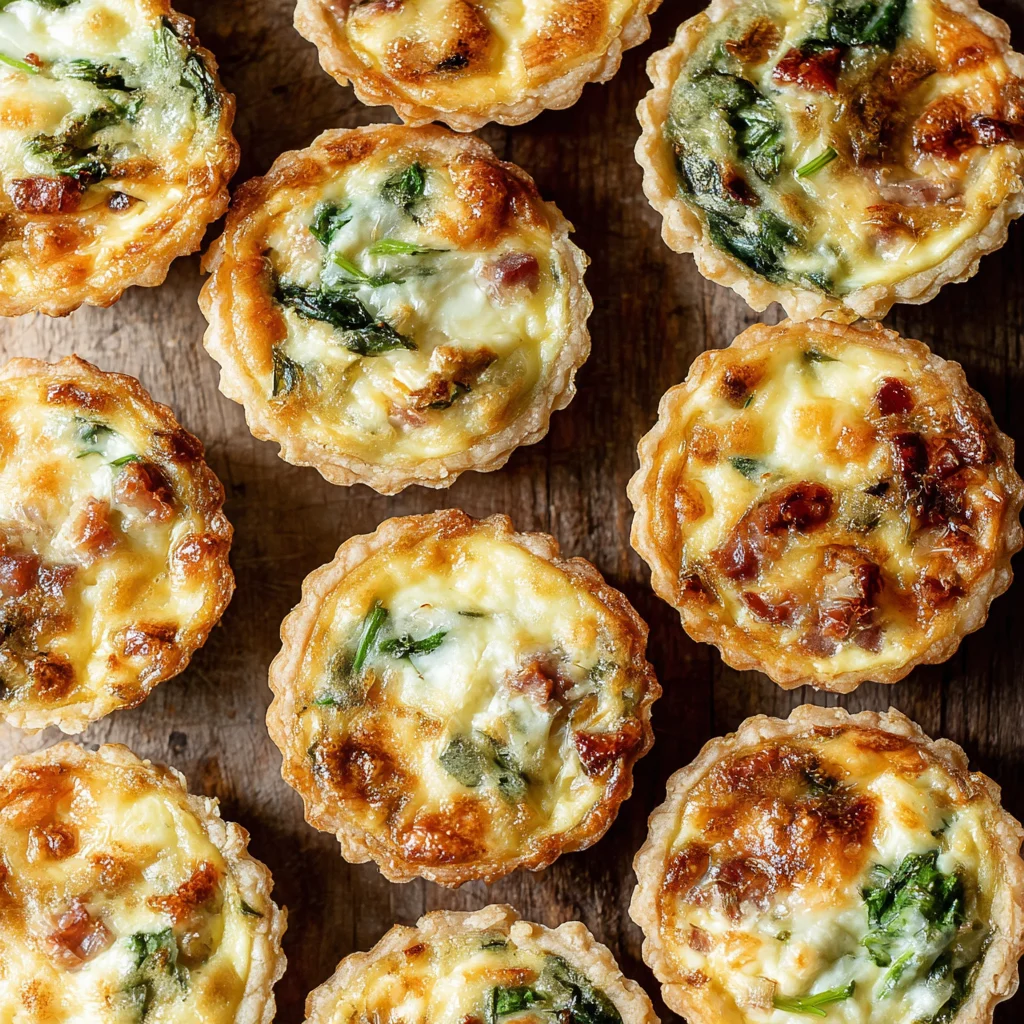
Bake for 15-20 minutes until the custard is set and lightly golden on top. The centers should no longer jiggle when gently shaken. Allow to cool in the pan for 5 minutes before carefully removing to prevent breaking.
Nutritional Information
Each mini quiche contains approximately 180-220 calories, depending on your chosen fillings. These bite-sized treats provide excellent protein from eggs and cheese, typically offering 8-10 grams per serving. The combination of eggs and dairy delivers essential vitamins including B12, riboflavin, and calcium.
The pastry contributes carbohydrates for energy, while the egg-based custard provides high-quality complete proteins containing all essential amino acids. When you add vegetables like spinach or bell peppers, you boost the vitamin A, vitamin C, and folate content significantly.
These mini quiches work well within various dietary approaches, offering portion control benefits due to their individual serving size. The protein and fat content helps promote satiety, making them satisfying despite their small size.
Keep in mind that nutritional values can vary based on specific ingredients and portion sizes used in your preparation.
Healthier Alternatives for the Recipe
Transform this mini quiche recipe into a lighter option by substituting half-and-half for heavy cream, reducing calories while maintaining creaminess. Egg whites or egg substitute can replace some whole eggs, significantly lowering cholesterol content.
For gluten-free versions, use almond flour or a quality gluten-free flour blend in the pastry. The texture will be slightly different but equally delicious. Consider using coconut oil instead of butter for dairy-free pastry shells.
Create vegetable-forward versions by increasing the ratio of vegetables to meat and cheese. Spinach, mushrooms, and bell peppers add fiber, vitamins, and minerals while reducing overall calorie density.
Crustless versions eliminate refined carbohydrates entirely. Simply grease your muffin tins well and pour the custard and fillings directly into the cups. These protein-rich bites work perfectly for low-carb or ketogenic eating plans.
Serving Suggestions
Present these elegant mini quiches on tiered serving stands for impressive height variation at parties. Garnish with fresh herb sprigs or cherry tomato halves for color contrast and visual appeal.
Pair with light salads featuring mixed greens, cucumber, and vinaigrette for brunch settings. For cocktail parties, serve alongside fresh fruit, artisanal crackers, and light wines such as Sauvignon Blanc or Prosecco.
Plan for 2-3 mini quiches per person as appetizers, or 4-5 pieces when serving as a main course for brunch or light lunch. They’re substantial enough to satisfy but light enough to leave room for other party offerings.
Seasonal variations work beautifully – add fresh asparagus and peas in spring, tomatoes and basil in summer, or butternut squash and sage in autumn.
Common Mistakes to Avoid
Soggy bottoms plague many quiche attempts, but pre-baking the shells prevents this issue entirely. Always blind bake with weights to maintain proper shell shape and texture.
Overbeating the custard mixture incorporates too much air, causing the quiches to puff dramatically during baking then collapse as they cool. Gentle whisking creates the smoothest, most stable custard.
Temperature control matters significantly. Too hot an oven causes rapid puffing and potential curdling, while insufficient heat results in custard that never properly sets. An oven thermometer ensures accuracy.
Overfilling the shells leads to spillover and uneven cooking. Fill only three-quarters full, allowing space for slight expansion during the baking process.
Storing Tips for the Recipe
Refrigerate cooled mini quiches in airtight containers for up to four days. Layer them carefully with parchment paper between levels to prevent sticking and maintain their attractive appearance.
For freezing, arrange completely cooled quiches on baking sheets and freeze until solid, then transfer to freezer-safe containers or bags. They’ll maintain quality for up to three months when properly stored.
Reheat refrigerated quiches in a 300°F oven for 8-10 minutes until warmed through. For frozen quiches, thaw overnight in the refrigerator before reheating, or reheat directly from frozen, adding 5-7 additional minutes to the warming time.
Avoid microwave reheating when possible, as it can make the pastry soggy and create uneven heating throughout the custard filling.
Conclusion
This mini quiche recipe transforms simple ingredients into sophisticated appetizers that elevate any gathering. The combination of buttery pastry, silky custard, and endless filling possibilities makes these bite-sized treats both versatile and impressive.
The make-ahead convenience and freezer-friendly nature mean you can always have elegant appetizers ready for unexpected guests or spontaneous celebrations. Whether you stick to classic combinations or experiment with creative fillings, these mini quiches deliver consistent, delicious results.
Take confidence in this straightforward technique and make it your own. Try different cheese combinations, seasonal vegetables, or international flavor profiles to keep things exciting and personalized to your taste preferences.
FAQs
Can I make mini quiches without a muffin tin?
Yes, use small ramekins, tartlet pans, or even silicone baking cups. Adjust baking time slightly as different materials conduct heat differently.
How do I prevent the custard from curdling?
Keep oven temperature at 350°F or lower, and ensure eggs are at room temperature before mixing. Gradual temperature changes prevent curdling.
Can I freeze unbaked mini quiches?
Absolutely. Assemble completely, then freeze on baking sheets. Once solid, store in containers and bake directly from frozen, adding 5-10 extra minutes.
What’s the best cheese combination for mini quiches?
Gruyère and sharp cheddar create excellent flavor depth, while Swiss and Parmesan offer nutty complexity. Experiment with your favorite melting cheeses.
How can I tell when mini quiches are properly cooked?
The centers should be set without jiggling, and a knife inserted in the center should come out clean. The tops will be lightly golden brown.
Can I make dairy-free mini quiches?
Yes, use coconut cream or cashew cream for the custard base, nutritional yeast instead of cheese, and dairy-free butter or coconut oil in the pastry.