
Introduction
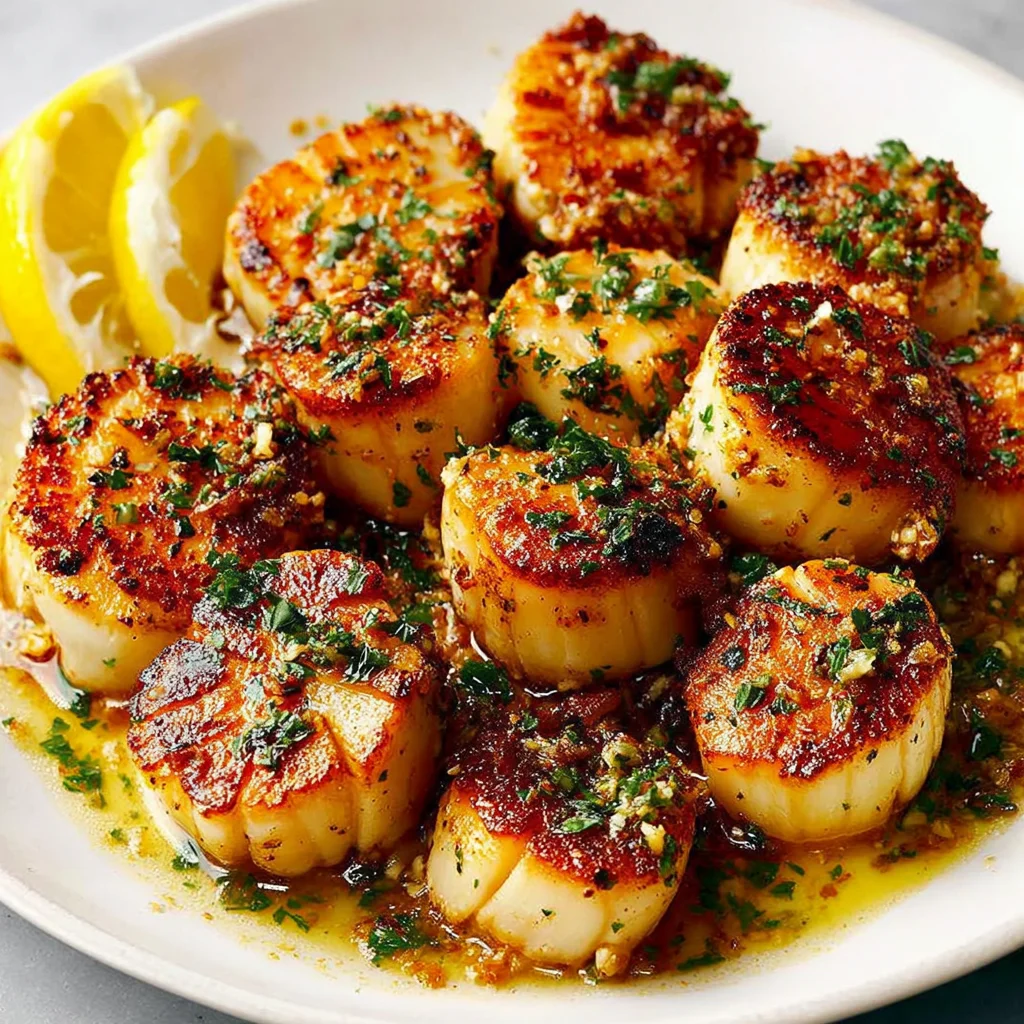
There’s something absolutely mesmerizing about watching pan seared scallops transform in a hot skillet. One moment they’re pearlescent and tender, the next they’re developing that gorgeous golden crust that makes your mouth water just thinking about it. I still remember the first time I mastered the perfect sear – that satisfying sizzle when the scallops hit the pan, followed by the intoxicating aroma of caramelization.
Pan seared scallops have graced tables from French bistros to coastal New England restaurants for generations, and for good reason. These sweet, delicate morsels of the sea offer an elegant dining experience that’s surprisingly achievable in your own kitchen. When paired with rich garlic butter sauce, they become absolutely irresistible – tender on the inside with a beautifully caramelized exterior that practically melts on your tongue.
Essential Ingredients for Perfect Results
Creating restaurant-quality scallops starts with selecting the right ingredients. Here’s everything you’ll need to bring this culinary masterpiece to life:
For the Scallops:
- 1 ½ pounds large sea scallops (about 12-16 pieces)
- 2 tablespoons high-heat cooking oil (avocado or grapeseed work beautifully)
- Sea salt and freshly cracked black pepper
For the Garlic Butter Sauce:
- 4 tablespoons unsalted butter
- 4 cloves fresh garlic, minced (avoid pre-minced for best flavor)
- 2 tablespoons fresh lemon juice
- 1 tablespoon dry white wine (optional but recommended)
- 2 tablespoons fresh parsley, finely chopped
Substitution Options:
For dairy-free needs, substitute the butter with high-quality olive oil or vegan butter alternative. Those avoiding alcohol can replace white wine with additional lemon juice or a splash of seafood stock. If fresh herbs aren’t available, use one tablespoon of dried parsley, though fresh truly makes a difference.
Timing Your Culinary Success
This elegant dish comes together surprisingly quickly, making it perfect for both weeknight dinners and special occasions.
Preparation Time: 10 minutes
Cooking Time: 8 minutes
Total Time: 18 minutes
Time-Saving Tips: Remove scallops from refrigeration 15 minutes before cooking to bring them closer to room temperature. Pat them dry while your pan preheats, and have all sauce ingredients measured and ready. The actual cooking happens fast, so preparation is key to success.
How to Make It
1. Prepare the Scallops for Searing
Remove scallops from packaging and inspect each one carefully. You’ll notice a small, tough side muscle attached to some scallops – gently pull this away and discard it. Pat each scallop completely dry with paper towels, then arrange them on a plate. Season both sides generously with salt and pepper about 5 minutes before cooking. This brief rest allows the seasoning to penetrate while any remaining moisture evaporates.
2. Heat Your Pan to Perfection
Choose a large, heavy-bottomed skillet – stainless steel or cast iron work best. Place it over medium-high heat and let it warm for 2-3 minutes. Add your oil and swirl to coat the bottom evenly. The pan is ready when the oil shimmers and moves freely, but isn’t smoking.
3. Master the Golden Sear
Gently place scallops in the pan, ensuring they don’t touch each other. You should hear an immediate, satisfying sizzle. Resist the urge to move them! Let them cook undisturbed for 2-3 minutes until the bottom develops a beautiful golden-brown crust. They’ll release naturally when properly seared.
4. Create the Flip and Finish
Using tongs or a thin spatula, flip each scallop carefully. They should lift easily if properly caramelized. Cook for another 1-2 minutes until the second side develops a light golden color. The centers should feel slightly firm but still give gently when pressed.
5. Build the Garlic Butter Magic
Reduce heat to medium-low and add butter to the same pan. As it melts and begins to foam, add minced garlic. Stir constantly for about 30 seconds until fragrant but not browned. Add white wine (if using) and lemon juice, creating a beautiful, aromatic sauce.
6. Bring Everything Together
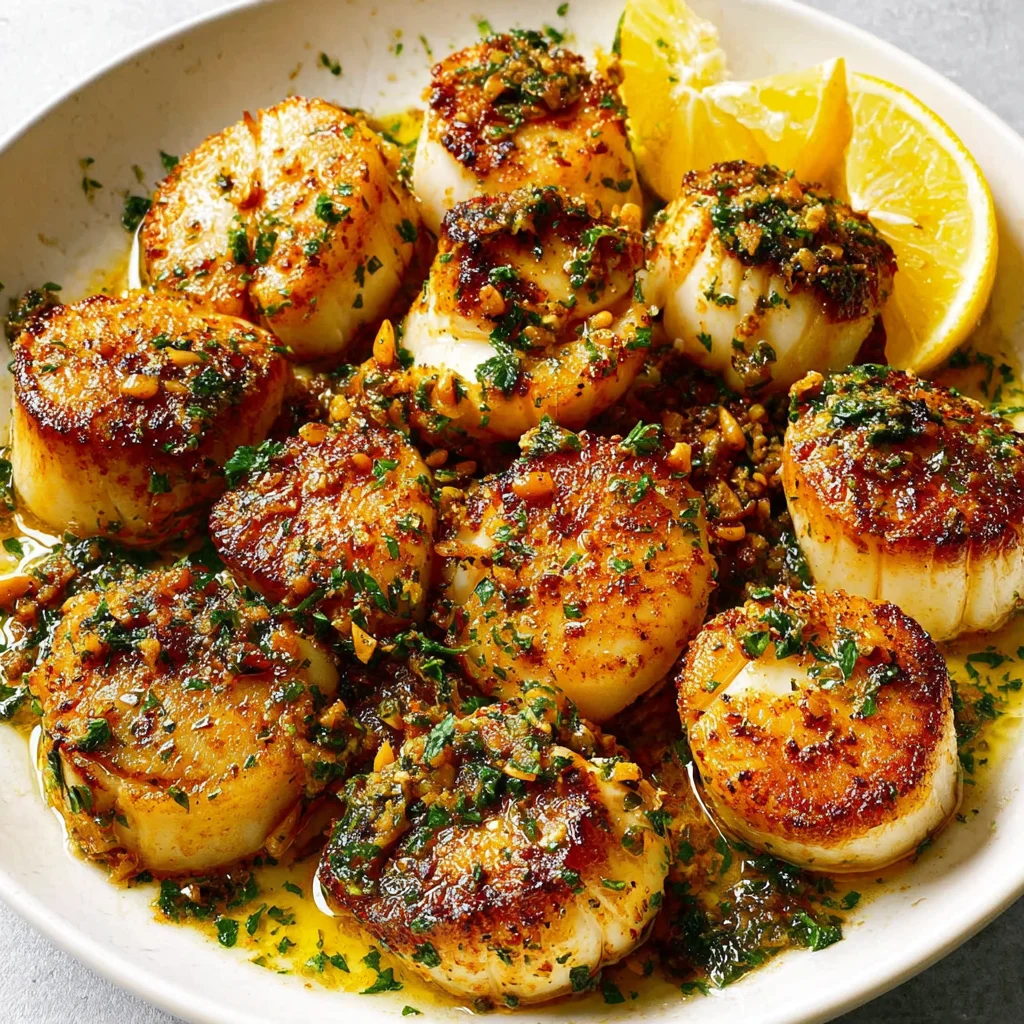
Return scallops to the pan briefly, spooning the garlic butter sauce over each one. Remove from heat and sprinkle with fresh parsley. The residual heat will warm the scallops through without overcooking them.
Nutritional Information
Each serving of pan seared scallops (approximately 4-5 scallops) provides roughly 180-220 calories, with excellent protein content and beneficial omega-3 fatty acids. Scallops are naturally low in saturated fat and provide important minerals like selenium and vitamin B12, which support immune function and energy metabolism.
The garlic butter sauce adds richness and flavor while contributing heart-healthy monounsaturated fats when olive oil substitutions are used. This dish fits well into low-carb, keto, and Mediterranean-style eating patterns.
Keep in mind that nutritional values can vary based on scallop size and specific ingredients used. Those watching sodium intake should use salt sparingly, as scallops have natural oceanic salinity.
Healthier Alternatives for the Recipe
Transform this indulgent dish to meet various dietary needs without sacrificing flavor. For a lighter version, reduce butter to 2 tablespoons and add extra lemon juice and herbs for brightness. The citrus enhances the scallops’ natural sweetness while cutting richness.
Lower Calorie Approach: Use cooking spray instead of oil for searing, and finish with just 1 tablespoon of butter mixed with fresh herbs and lemon zest. This reduces calories while maintaining that luxurious mouthfeel.
Dairy-Free Adaptation: Replace butter with high-quality extra virgin olive oil or avocado oil. Add a pinch of nutritional yeast for subtle umami depth that mimics butter’s richness.
Reduced Sodium Version: Skip added salt and rely on fresh herbs, lemon juice, and a touch of garlic powder. The natural brininess of quality scallops provides plenty of oceanic flavor.
Perfect Pairings and Presentation
These golden beauties shine when paired with complementary flavors and textures. Serve over creamy risotto, garlic mashed cauliflower, or a simple bed of wilted spinach. The contrast between the caramelized scallops and creamy base creates restaurant-worthy elegance.
For wine pairing, choose crisp white wines like Sauvignon Blanc, Pinot Grigio, or Chardonnay. The acidity balances the richness while enhancing the scallops’ oceanic sweetness.
Seasonal Variations: In spring, add fresh peas and mint to the sauce. Summer calls for cherry tomatoes and basil, while fall pairs beautifully with butternut squash puree and sage. Winter presentations shine with roasted root vegetables and thyme.
Plan for 4-5 large scallops per person as a main course, or 2-3 for elegant appetizer portions.
Avoiding Common Cooking Pitfalls
The biggest mistake home cooks make is not properly drying scallops before searing. Excess moisture creates steam instead of that coveted golden crust. Always pat completely dry and let them rest briefly before cooking.
Temperature Troubles: Too-low heat won’t develop proper caramelization, while excessive heat burns the exterior before the interior cooks through. Medium-high heat with a properly preheated pan creates the perfect environment.
Overcrowding Issues: Give each scallop space in the pan. Crowding drops the pan temperature and creates steam, preventing proper browning. Cook in batches if necessary.
Timing Mistakes: Scallops cook incredibly quickly and become rubbery when overdone. They should feel slightly firm but still tender when properly cooked – like a ripe peach.
Smart Storage and Reheating Strategies
Fresh scallops are best enjoyed immediately, but leftovers can be stored in the refrigerator for up to 2 days in an airtight container. Keep the sauce separate to maintain the best texture.
Gentle Reheating: Warm leftover scallops in a low oven (250°F) for just 2-3 minutes, or briefly in a skillet over low heat. Avoid microwaving, which can create a tough, rubbery texture.
Make-Ahead Tips: You can clean and dry scallops up to 4 hours in advance, storing them covered in the refrigerator. Bring to room temperature before cooking. The garlic butter sauce can be prepared earlier and gently rewarmed when needed.
Wrapping Up Your Culinary Adventure
Pan seared scallops with garlic butter sauce represent the perfect marriage of simplicity and sophistication. With just a few quality ingredients and proper technique, you can create a dish that rivals the finest restaurants. The key lies in respecting the scallops’ delicate nature while building layers of flavor through proper searing and aromatic finishing.
Don’t let the elegant reputation intimidate you – this recipe is entirely achievable with practice and patience. Trust your senses, watch for visual cues, and remember that confidence in the kitchen comes with experience. Give this recipe a try and discover how rewarding it feels to master such a classic technique.
Frequently Asked Questions
What’s the difference between wet and dry scallops?
Dry scallops are untreated and natural, searing beautifully with golden crusts. Wet scallops are treated with preservatives and release excess water during cooking, preventing proper caramelization. Always choose dry scallops when possible for best results.
Can I use frozen scallops for this recipe?
Absolutely! Thaw frozen scallops completely in the refrigerator overnight, then pat them extra dry before cooking. They may release slightly more moisture, so be particularly thorough with the drying process.
How do I know when scallops are perfectly cooked?
Properly cooked scallops feel firm but still slightly yielding when gently pressed, similar to the flesh between your thumb and forefinger when making an “OK” sign. They should be opaque with a slight translucent center.
What if I don’t have a heavy-bottomed pan?
While heavy pans distribute heat more evenly, you can use any skillet by reducing the heat slightly and being more attentive to prevent hot spots. Watch carefully for even browning and adjust heat as needed.
Can this recipe be doubled for entertaining?
Yes, but cook scallops in batches to avoid overcrowding. Keep the first batch warm in a low oven while preparing the second batch. Make extra garlic butter sauce to accommodate the larger quantity.
What should I do if my scallops won’t develop a crust?
This usually indicates excess moisture or insufficient heat. Remove scallops from pan, pat them dry again, increase heat slightly, and ensure your pan is properly preheated before trying again.