
Introduction
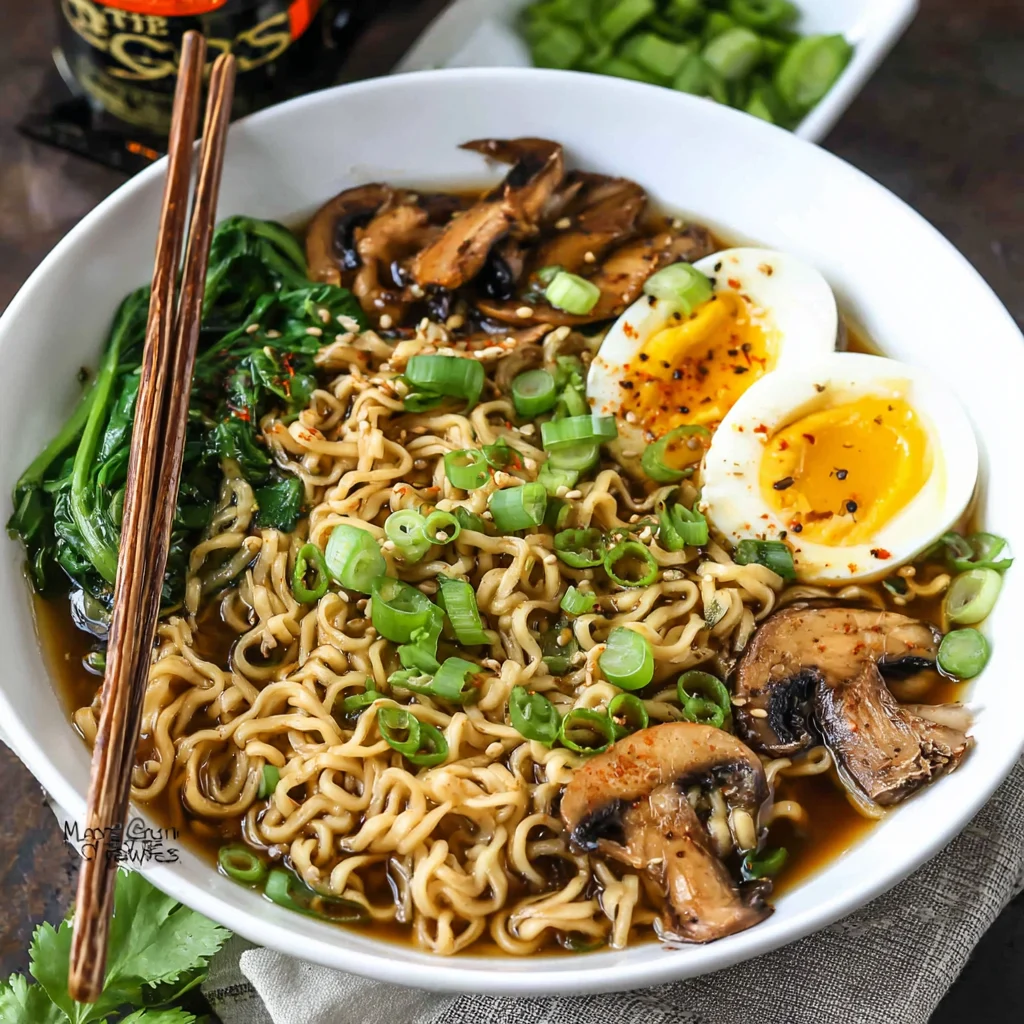
Picture this: it’s a busy weeknight, your stomach is rumbling, and you need something comforting, satisfying, and ready in minutes. That’s exactly when this easy ramen noodles recipe becomes your kitchen superhero. Unlike the basic packet version you might remember from college days, this elevated take transforms simple ingredients into a bowl of pure comfort that rivals your favorite ramen shop.
This recipe represents the perfect marriage of convenience and flavor, drawing inspiration from the rich tradition of Japanese ramen while keeping things beautifully simple for home cooks. The beauty lies in its versatility – you can customize every element to match your mood, dietary needs, or whatever ingredients are hiding in your refrigerator. What makes this version truly special is how it delivers restaurant-quality depth of flavor using everyday ingredients and techniques that anyone can master. In just 15 minutes, you’ll have a steaming bowl of noodles that’s infinitely more satisfying than anything from a packet.
Ingredients List
Base Ingredients:
- 2 packs instant ramen noodles (discard flavor packets)
- 3 cups chicken or vegetable broth
- 1 tablespoon soy sauce
- 1 teaspoon sesame oil
- 1 clove garlic, minced
Flavor Enhancers:
- 1 tablespoon miso paste (white or red)
- 1 teaspoon fresh ginger, grated
- 1/2 teaspoon chili oil or sriracha (optional)
- 1 green onion, sliced
Protein Options:
- 1 soft-boiled egg
- 2 oz cooked chicken, sliced
- 1/4 cup firm tofu, cubed
Fresh Garnishes:
- 1/4 cup corn kernels
- 2-3 shiitake mushrooms, sliced
- 1 sheet nori, cut into strips
- Bean sprouts
Smart Substitutions:
For gluten-free options, swap regular ramen noodles for rice noodles or shirataki noodles. Vegetarians can use mushroom or vegetable broth and add extra umami with a splash of tamari. If miso paste isn’t available, a teaspoon of tahini mixed with soy sauce creates similar depth. Fresh ginger can be replaced with 1/4 teaspoon ground ginger, though fresh provides superior flavor.
Timing
Total Time: 15 minutes
- Prep Time: 5 minutes
- Cooking Time: 10 minutes
This recipe is designed for maximum efficiency. While your broth heats, you can prepare garnishes and soft-boil eggs simultaneously. The noodles cook in just 3-4 minutes, making this perfect for those moments when hunger strikes hard and fast.
Time-Saving Tips: Keep soft-boiled eggs prepared in advance – they’ll stay fresh in the refrigerator for up to a week. Pre-slice vegetables during weekend meal prep, and store them in airtight containers. You can even portion out the seasoning ingredients ahead of time for grab-and-go convenience.
How to Make It
1. Prepare the Broth Base
Heat your broth in a medium saucepan over medium-high heat. While it warms, whisk together soy sauce, sesame oil, and miso paste in a small bowl until smooth. This creates your flavor foundation – the aromatic base that transforms ordinary broth into something extraordinary. You’ll know the broth is ready when you see gentle bubbles forming around the edges.
2. Build the Flavor
Add minced garlic and grated ginger to the simmering broth, followed by your miso mixture. Stir gently and let it simmer for 2-3 minutes. The kitchen will fill with an incredible aroma – that’s your cue that the flavors are melding beautifully. Taste and adjust seasoning as needed.
3. Cook the Noodles
Add the ramen noodles directly to the flavored broth. Cook for 3-4 minutes, stirring occasionally to prevent sticking. The noodles should be tender but still have a slight bite – that perfect al dente texture that makes each strand satisfying.
4. Add Final Touches
In the last minute of cooking, add any vegetables that need brief cooking, like corn or mushrooms. Remove from heat and stir in chili oil if using. The residual heat will warm everything perfectly without overcooking delicate ingredients.
5. Assemble and Serve
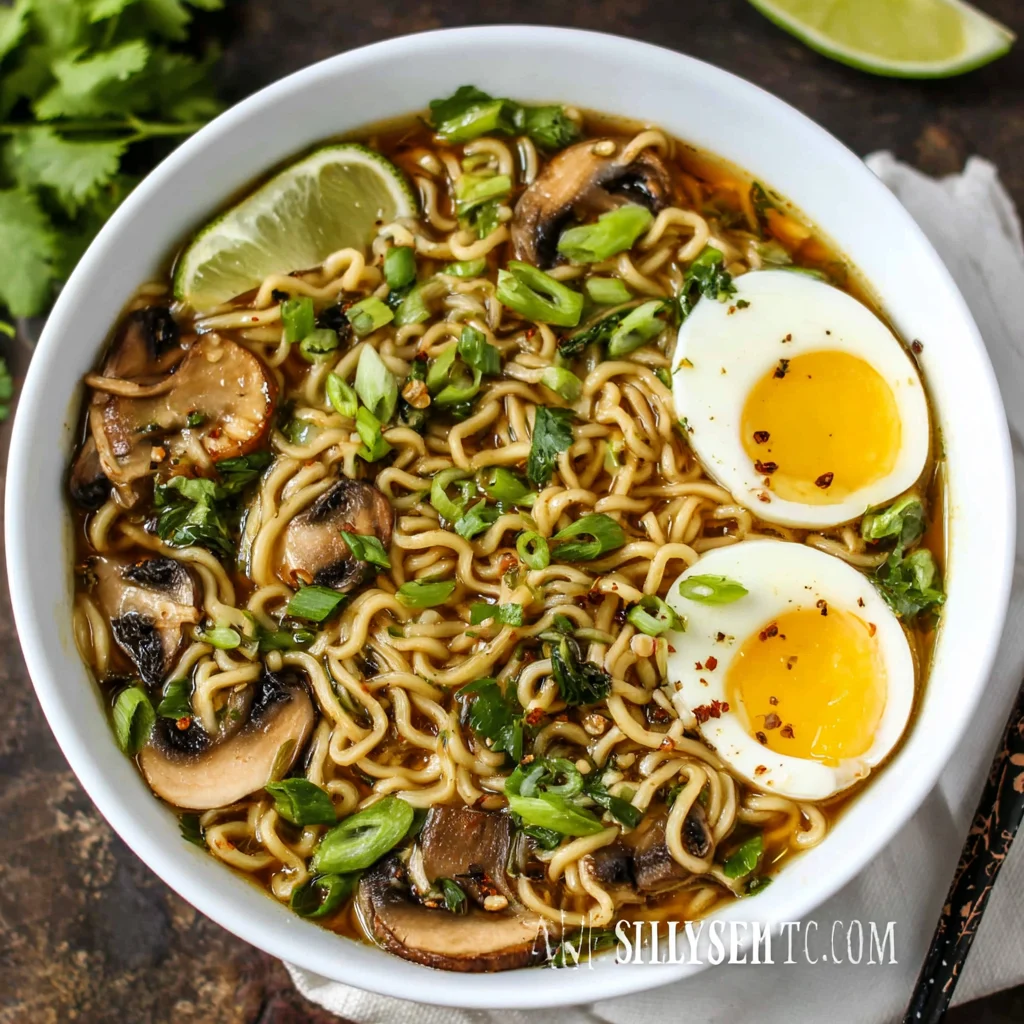
Transfer the noodles and broth to serving bowls. Top with sliced green onions, your choice of protein, and any fresh garnishes. The visual presentation is part of the experience – arrange toppings thoughtfully for that authentic ramen shop appearance.
Nutritional Information
Each serving provides approximately 380-420 calories, depending on your choice of toppings and protein additions. The broth base offers essential minerals from the miso and vegetables, while the noodles provide satisfying carbohydrates for sustained energy.
This recipe delivers beneficial probiotics from miso paste, which supports digestive health. The ginger adds natural anti-inflammatory compounds, while garlic contributes immune-supporting properties. When you add vegetables and protein, you’re creating a more balanced meal with fiber, vitamins, and essential amino acids.
For those watching sodium intake, this homemade version allows you to control salt levels much better than packaged alternatives. Using low-sodium broth and reducing soy sauce can significantly decrease overall sodium content while maintaining flavor depth.
Healthier Alternatives for the Recipe
Transform this comfort food into a nutritional powerhouse with simple swaps. Replace traditional ramen noodles with shirataki noodles or spiralized zucchini for a low-carb version that still satisfies. Kelp noodles offer another excellent alternative with added minerals and virtually no calories.
For increased protein without added sodium, try adding silken tofu blended into the broth for creaminess, or top with grilled chicken, hemp seeds, or a handful of edamame. Boost vegetable content by adding spinach, bok choy, or thinly sliced cabbage in the final cooking moments.
Reduce sodium by using homemade vegetable broth or diluting regular broth with water, then compensating with extra ginger, garlic, and a splash of rice vinegar for brightness. Coconut aminos can replace soy sauce for those avoiding soy or seeking lower sodium options.
Serving Suggestions
Serve this easy ramen noodles in large, deep bowls – the traditional way that allows you to appreciate both the aromatic broth and beautiful toppings. Provide chopsticks and Asian soup spoons for an authentic experience, though regular utensils work perfectly fine.
Pair with simple sides like cucumber salad with rice vinegar dressing, or steamed gyoza for a more substantial meal. A cup of green tea complements the flavors beautifully and aids digestion.
For entertaining, set up a ramen bar with various toppings in small bowls, letting guests customize their bowls. Include options like different proteins, vegetables, spice levels, and garnishes for an interactive dining experience.
Common Mistakes to Avoid
The biggest mistake is overcooking the noodles, which creates a mushy texture that can’t hold up to the broth. Cook them just until tender, remembering they’ll continue cooking slightly in the hot broth.
Don’t skip the miso paste – it provides crucial umami depth that elevates the entire dish. If you can’t find miso, don’t simply omit it; substitute with the tahini mixture mentioned earlier or add a splash of fish sauce for similar complexity.
Avoid adding delicate garnishes too early. Items like green onions, nori, and bean sprouts should be added just before serving to maintain their texture and color. Similarly, soft-boiled eggs should be added at the very end to prevent overcooking.
Storing Tips for the Recipe
Store leftover broth and noodles separately when possible. Noodles continue absorbing liquid and become soggy when stored together. Keep broth in the refrigerator for up to 3 days in airtight containers.
Cooked noodles can be stored for 2-3 days but will need refreshing. Rinse them under cold water before reheating to remove excess starch and improve texture. Reheat broth gently on the stovetop, adding fresh noodles or briefly warming stored ones.
Pre-prepared components like soft-boiled eggs, sliced vegetables, and seasoning mixtures can be stored separately for quick assembly later. This makes weeknight cooking even faster when you’re craving comfort food.
Conclusion
This easy ramen noodles recipe proves that incredible flavor doesn’t require hours of preparation or exotic ingredients. By understanding a few key techniques and keeping quality ingredients on hand, you can create restaurant-worthy ramen in your own kitchen any night of the week.
The beauty of this recipe lies in its adaptability – once you master the basic technique, you’ll find yourself experimenting with different flavor profiles, seasonal vegetables, and creative protein additions. Each bowl becomes an opportunity to create something uniquely satisfying.
Take this recipe and make it your own. Try it tonight, and don’t be surprised if it becomes your new go-to comfort food. Share your creative variations and favorite topping combinations – the world of easy, delicious ramen is waiting for you to explore.
FAQs
Can I make this recipe without miso paste?
Yes! While miso adds incredible depth, you can substitute with a mixture of tahini and soy sauce, or simply use additional soy sauce with a splash of fish sauce for umami richness.
How do I achieve the perfect soft-boiled egg?
Bring water to a boil, gently add room-temperature eggs, and cook for exactly 6-7 minutes. Immediately transfer to ice water to stop cooking. This creates a creamy, jammy yolk that’s perfect for ramen.
Can I use fresh noodles instead of instant ramen?
Absolutely! Fresh ramen noodles, udon, or even spaghetti work beautifully. Adjust cooking times according to package directions, and remember that fresh noodles typically require 2-4 minutes in boiling water.
How can I make this recipe spicier?
Add chili oil, sriracha, or fresh sliced chilies to taste. Gochujang (Korean chili paste) also creates wonderful heat with added complexity. Start with small amounts and adjust to your preference.
What’s the best way to reheat leftover ramen?
Heat the broth separately on the stovetop until simmering. Add noodles for just 30-60 seconds to warm through. Alternatively, pour hot broth over noodles in a bowl and let them warm naturally.
Can I make a larger batch for meal prep?
Prepare components separately for best results. Make large batches of seasoned broth and store in portions. Cook noodles fresh each time, or prepare them al dente and store separately for quick reheating.