
Introduction
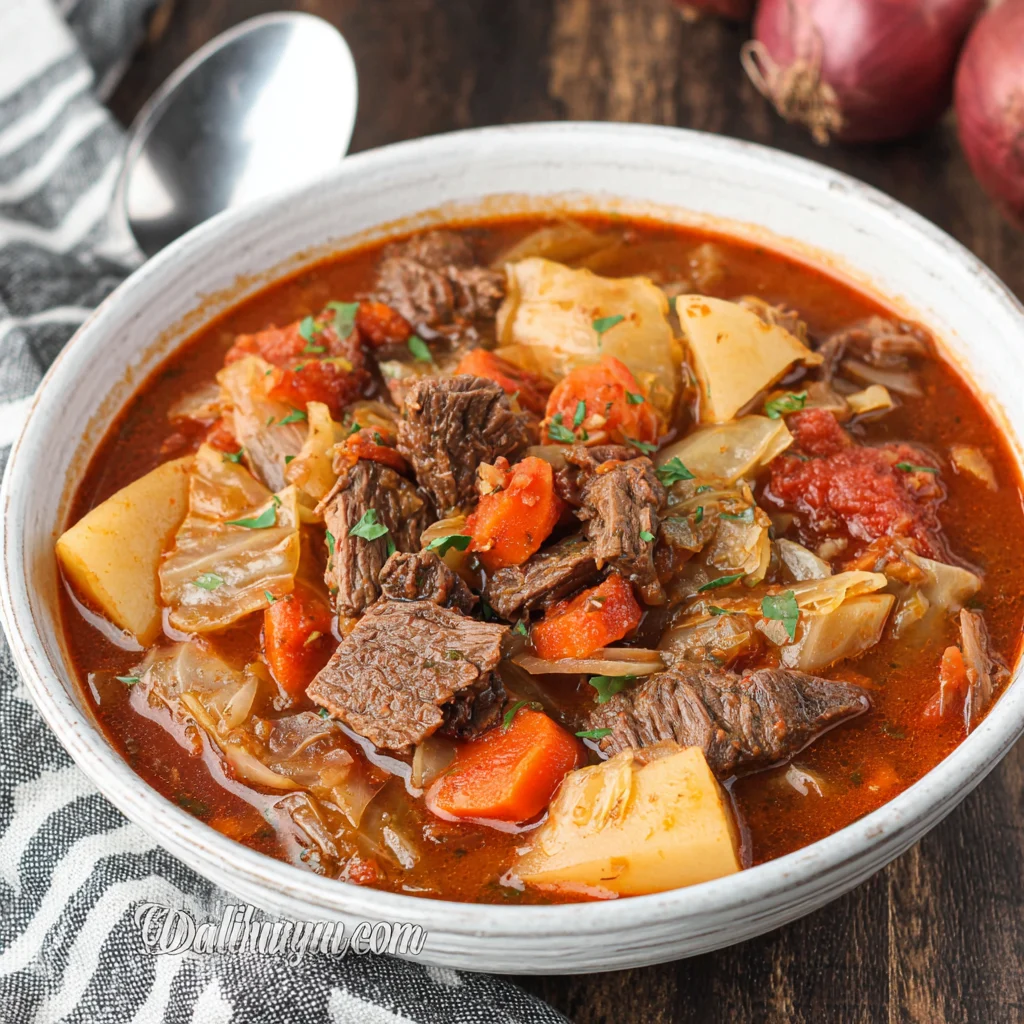
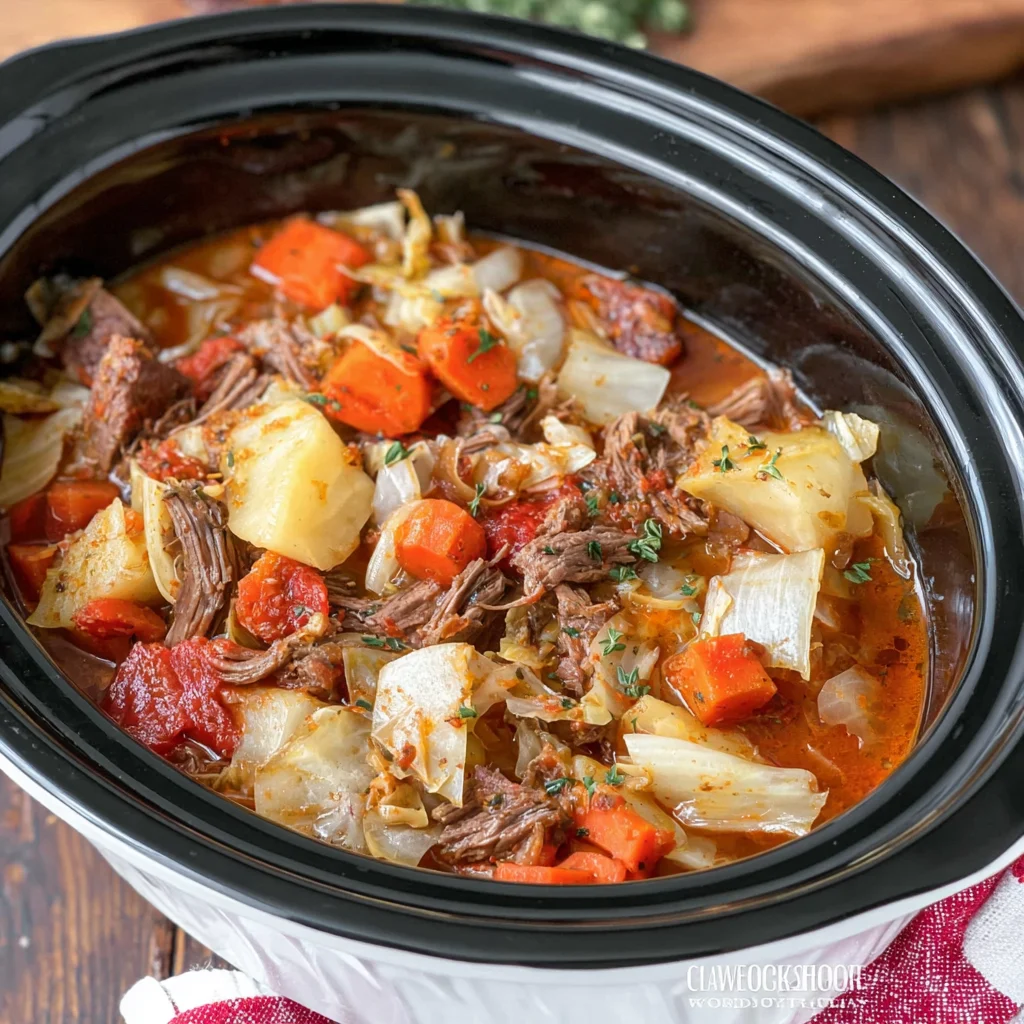
There’s something magical about walking into your home after a long day to the aroma of slow-cooked beef and vegetables wafting through the air. This crockpot beef cabbage stew transforms simple, humble ingredients into something absolutely extraordinary. The tender chunks of beef practically fall apart at the touch of a fork, while the cabbage becomes silky and sweet, absorbing all those rich, savory flavors that have been melding together for hours.
What makes this dish truly special isn’t just its incredible taste – it’s the way it brings families together around the dinner table. Cabbage has been a beloved ingredient in hearty stews across cultures for centuries, from Irish colcannon to Eastern European kapusta. This particular combination celebrates that tradition while embracing the convenience of modern slow cooking. The beauty lies in its simplicity: toss everything into your crockpot in the morning, and by evening, you’ll have a soul-warming meal that tastes like you’ve been cooking all day.
Ingredients List
For the Base:
- 2 pounds beef chuck roast, cut into 1-inch cubes
- 1 large head green cabbage (about 2 pounds), chopped into bite-sized pieces
- 3 medium carrots, sliced into rounds
- 2 large potatoes, peeled and cubed
- 1 large yellow onion, diced
- 3 cloves garlic, minced
For the Flavorful Broth:
- 4 cups beef broth (low-sodium preferred)
- 1 can (14.5 oz) diced tomatoes, undrained
- 2 tablespoons tomato paste
- 2 bay leaves
- 1 teaspoon dried thyme
- 1 teaspoon paprika
- 1 teaspoon salt (adjust to taste)
- 1/2 teaspoon black pepper
- 1/2 teaspoon garlic powder
For Finishing:
- 2 tablespoons fresh parsley, chopped
- 1 tablespoon apple cider vinegar (optional, for brightness)
Smart Substitutions:
- For gluten-free: Ensure your beef broth is certified gluten-free
- Lower sodium: Use unsalted broth and adjust salt to taste
- Vegetarian version: Replace beef with mushrooms and use vegetable broth
- Different vegetables: Try turnips instead of potatoes or add celery for extra flavor
- Herbs: Fresh thyme works beautifully if you have it – use about 1 tablespoon
Timing
Total Time: 8 hours 20 minutes
Active Prep Time: 20 minutes
Slow Cooking Time: 8 hours on low (or 4 hours on high)
Time-Saving Tips:
You can prep all your vegetables the night before and store them in the refrigerator. In the morning, simply layer everything into your crockpot and start cooking. This works perfectly for busy weekdays – start it before work and come home to dinner ready.
If you’re short on time, cooking on high for 4 hours works well, though the low and slow method produces the most tender results. The beef will be fork-tender either way, but the longer cooking time allows the flavors to develop more fully.
Make-Ahead Strategy:
This stew actually tastes even better the next day, so consider making it a day ahead for special occasions. The flavors continue to meld overnight, creating an even richer taste experience.
How to Make It
1. Prepare Your Ingredients
Start by cutting your beef chuck roast into uniform 1-inch cubes – this ensures even cooking throughout. Pat the beef dry with paper towels, which helps it brown better if you choose to sear it first. Chop your cabbage into bite-sized pieces, dice the onion, and slice your carrots. The key here is keeping everything roughly the same size so it cooks evenly.
2. Layer the Foundation
Place the beef cubes in the bottom of your crockpot first. This allows them to get the most direct heat and ensures they’ll be perfectly tender. Add the diced onions and minced garlic right on top – they’ll create an aromatic base as they cook down.
3. Add the Vegetables
Layer in your potatoes first, followed by the carrots, and finally the cabbage on top. Don’t worry if it seems like a lot of cabbage – it will cook down significantly. The cabbage releases moisture as it cooks, which helps create that beautiful, rich broth.
4. Create the Flavorful Base
In a bowl, whisk together the beef broth, diced tomatoes with their juice, and tomato paste until smooth. Add all your seasonings – thyme, paprika, salt, pepper, and garlic powder. Pour this mixture over the vegetables. Tuck the bay leaves down into the liquid so they can infuse their flavor throughout.
5. Set It and Almost Forget It
Cover your crockpot and cook on low for 8 hours or high for 4 hours. Resist the temptation to lift the lid frequently – each peek releases heat and can add 15-20 minutes to your cooking time. The wonderful aromas will let you know it’s working its magic.
6. Final Touches
About 30 minutes before serving, taste and adjust seasonings. Remove the bay leaves – they’ve done their job. If you’d like a slightly brighter flavor, stir in that tablespoon of apple cider vinegar. Sprinkle with fresh parsley just before serving for a pop of color and freshness.
Nutritional Information
Each serving of this hearty crockpot beef cabbage stew provides a well-balanced meal packed with essential nutrients. The lean beef offers high-quality protein and iron, while the cabbage contributes vitamin C and fiber. Carrots add beta-carotene, and potatoes provide potassium and complex carbohydrates.
Approximate Per Serving (serves 6):
- Calories: 320-350
- Protein: 28-32g
- Carbohydrates: 22-25g
- Fat: 12-15g
- Fiber: 5-6g
- Sodium: 680-750mg (varies with broth choice)
This stew is naturally rich in vitamins A and C, thanks to the colorful vegetables. The slow cooking process helps break down the tough fibers in both the meat and vegetables, making nutrients more bioavailable. Cabbage is particularly noteworthy for its anti-inflammatory properties and digestive benefits.
Note: Nutritional values are approximate and may vary based on specific ingredients and portion sizes used.
Healthier Alternatives for the Recipe
Lower Calorie Version:
Replace the potatoes with cauliflower florets for a lighter option that still provides substance. You can also trim visible fat from the beef chuck roast before cubing, or substitute with leaner cuts like beef round, though cooking time may need adjustment.
Heart-Healthy Modifications:
Use low-sodium beef broth and reduce added salt by half. Add extra herbs like oregano and rosemary to boost flavor without sodium. Consider adding a handful of chopped celery for extra fiber and flavor.
Gluten-Free Assurance:
This recipe is naturally gluten-free when you use certified gluten-free beef broth. Always check your broth labels, as some brands may contain gluten-based additives.
Plant-Based Alternative:
Replace the beef with chunky portobello mushrooms and use vegetable broth instead of beef broth. Add a tablespoon of soy sauce for umami depth. White beans or lentils can provide additional protein and fiber.
Reduced Sodium Option:
Make your own unsalted broth or use water with extra herbs and vegetables for flavor. Increase the garlic, add fresh ginger, and finish with lemon juice instead of salt for brightness.
Serving Suggestions
This stew is wonderfully complete on its own, but there are several ways to elevate your presentation. Serve it in wide, shallow bowls to showcase all the colorful vegetables, and don’t forget a sprinkle of fresh parsley or chives on top.
Perfect Companions:
Crusty sourdough bread or warm dinner rolls are perfect for soaking up every drop of that rich broth. For a lighter option, try whole grain crackers or a simple green salad with vinaigrette to cut through the richness.
Portion Guidance:
This recipe comfortably serves 6 people as a main course, with each serving being satisfyingly filling. If serving as part of a larger meal, it can easily stretch to serve 8 people.
Seasonal Variations:
In fall, add diced butternut squash along with the potatoes. During summer, try adding fresh green beans in the last hour of cooking. Winter calls for heartier additions like parsnips or turnips.
Common Mistakes to Avoid
Overcrowding the Crockpot:
Don’t fill your slow cooker more than two-thirds full. The vegetables need space to cook evenly, and overcrowding can lead to uneven cooking with some vegetables overcooked while others remain tough.
Cutting Vegetables Too Small:
Vegetables continue cooking for hours, so cutting them too small results in mushy stew. Keep pieces bite-sized but substantial – they’ll soften perfectly during the long cooking process.
Adding Dairy Too Early:
If you want to add a dollop of sour cream or cream, do it just before serving. Adding dairy during cooking can cause it to curdle and separate.
Lifting the Lid Too Often:
Every time you lift the lid, you lose heat and moisture. Trust the process and resist peeking until the final hour of cooking.
Forgetting to Remove Bay Leaves:
Always remove bay leaves before serving. They’ve imparted their flavor but can be unpleasant to bite into.
Storing Tips for the Recipe
Refrigerator Storage:
Cool the stew completely before transferring to airtight containers. It will keep beautifully in the refrigerator for up to 4 days. The flavors actually improve overnight, making leftovers a real treat.
Freezing Instructions:
This stew freezes wonderfully for up to 3 months. Cool completely, then store in freezer-safe containers, leaving about an inch of space at the top for expansion. Label with the date and contents.
Reheating Guide:
For refrigerated leftovers, reheat gently on the stovetop over medium-low heat, stirring occasionally. Add a splash of broth if it seems too thick. From frozen, thaw overnight in the refrigerator before reheating.
Make-Ahead Tips:
You can prep all ingredients the night before and store them separately in the refrigerator. In the morning, layer everything in your crockpot and start cooking. The stew also reheats beautifully, so making a double batch for the week ahead is a smart strategy.
Conclusion
This crockpot beef cabbage stew represents everything we love about home cooking – simple ingredients transformed into something extraordinary through patience and care. The beauty of this dish lies not just in its incredible flavors, but in the way it fills your home with warmth and brings people together around the table.
Whether you’re feeding a hungry family on a weeknight or preparing for a casual weekend gathering, this stew delivers satisfaction in every spoonful. The tender beef, sweet cabbage, and perfectly seasoned broth create a harmony of flavors that feels both nostalgic and fresh.
Don’t hesitate to make this recipe your own by experimenting with different vegetables or seasonings. Cooking should be an adventure, and this forgiving stew provides the perfect canvas for your creativity. Give it a try this week – your family will thank you, and you’ll have discovered a new go-to comfort food that’s sure to become a regular in your meal rotation.
For more delicious inspiration, check out my recipe collection on Pinterest where you’ll find plenty of other crockpot favorites and comfort food classics.
FAQs
Can I use a different cut of beef for this stew?
Yes, you can substitute beef chuck roast with other cuts like beef round or even stew meat from the grocery store. Chuck roast is preferred because it becomes incredibly tender when slow-cooked, but other cuts will work. Leaner cuts may require slightly longer cooking times to achieve the same tenderness.
How can I make this stew thicker?
If you prefer a thicker consistency, mix 2 tablespoons of cornstarch with 3 tablespoons of cold water to create a slurry. Stir this into the stew during the last 30 minutes of cooking. Alternatively, you can remove some of the cooked vegetables, mash them, and stir them back in.
Can I add other vegetables to this recipe?
Absolutely! This stew is very versatile. Green beans, celery, parsnips, or turnips all work beautifully. Add harder vegetables like parsnips at the beginning with the other vegetables, but add quicker-cooking ones like green beans during the last 2 hours of cooking.
What should I do if my stew turns out too salty?
If your stew is too salty, add a peeled, quartered potato to the crockpot and let it cook for another 30 minutes – it will absorb excess salt. You can also add a splash of apple cider vinegar or a pinch of sugar to balance the flavors.
Can I cook this recipe on the stovetop instead?
Yes! Use a heavy-bottomed Dutch oven and simmer on low heat for 2-3 hours, checking occasionally and adding more broth if needed. The slow cooker method is more hands-off, but stovetop cooking gives you more control over the final consistency.
How do I know when the beef is properly cooked?
The beef is ready when it easily shreds with a fork and has no pink color remaining. After 8 hours on low or 4 hours on high, chuck roast should be perfectly tender. If it’s still tough, continue cooking in 30-minute increments until it reaches the desired tenderness.