
Introduction
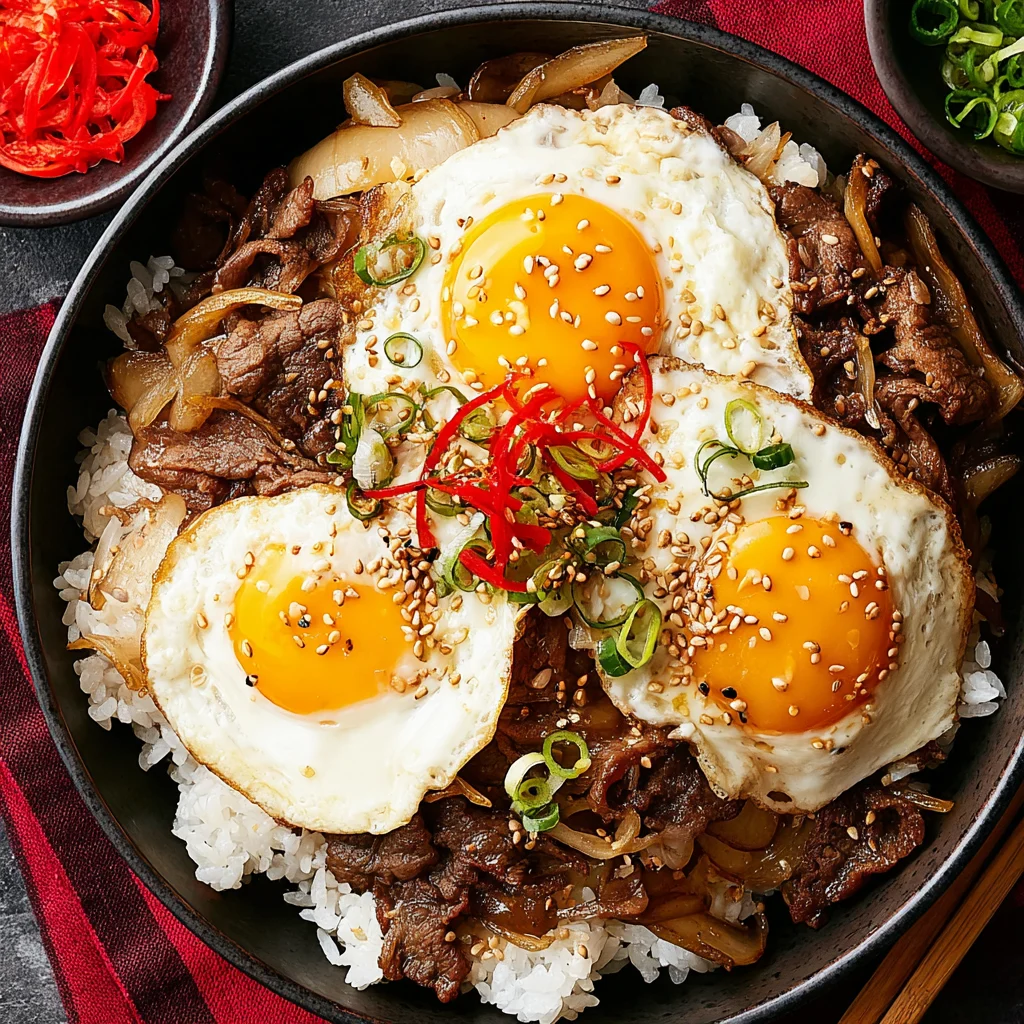
Picture the comforting aroma of savory beef simmering in a sweet-tangy sauce, steam rising from a bowl of perfectly seasoned rice topped with tender onions. This quick easy gyudon brings the authentic taste of Japan’s most beloved comfort food straight to your kitchen in just 15 minutes. Known as “beef bowl” in English, gyudon represents the beautiful simplicity of Japanese home cooking – minimal ingredients transformed into something truly extraordinary.
Originally popularized in Tokyo during the Meiji era, gyudon has become Japan’s answer to fast food, but infinitely more nourishing and satisfying. The beauty of this dish lies in its perfect balance of umami-rich flavors and textures: silky beef, caramelized onions, and the subtle sweetness that makes each bite utterly addictive. Whether you’re craving something hearty after a long day or looking to explore Japanese cuisine, this quick easy gyudon delivers restaurant-quality results with ingredients you likely already have at home.
Ingredients List
Main Components
- 1 pound thinly sliced beef (ribeye, sirloin, or beef for hot pot)
- 2 large yellow onions, sliced into half-moons
- 4 cups cooked short-grain rice (day-old rice works perfectly)
- 2 tablespoons vegetable oil
Gyudon Sauce Base
- 1/2 cup dashi stock (or low-sodium beef broth as substitute)
- 3 tablespoons soy sauce
- 2 tablespoons mirin (Japanese sweet rice wine)
- 1 tablespoon sugar
- 1 tablespoon sake (optional but recommended)
Garnishes & Finishing Touches
- 2 green onions, finely chopped
- 1 teaspoon sesame seeds
- Pickled ginger (beni shoga) for serving
- Soft-boiled eggs (optional but traditional)
Smart Substitutions
For those with dietary restrictions, consider these alternatives: tamari instead of soy sauce for gluten-free needs, coconut aminos for soy-free diets, or thinly sliced mushrooms like shiitake and king oyster for vegetarian versions. The key is maintaining those paper-thin slices that cook quickly and absorb the flavorful sauce beautifully.
Timing
Total Time: 15 minutes
Prep Time: 5 minutes
Cook Time: 10 minutes
The magic of gyudon lies in its speed. While your rice steams (which can be done hours ahead), you’ll spend just 5 minutes slicing onions and preparing your sauce mixture. The actual cooking happens in a swift 10 minutes, making this ideal for busy weeknight dinners.
Time Management Tips: Start your rice first if making fresh, or reheat day-old rice in the microwave while you prep. The onions can be sliced up to a day ahead and stored covered in the refrigerator. Mix your sauce ingredients in a small bowl before you start cooking – once the pan heats up, everything moves quickly.
Make-Ahead Strategy: The entire dish reheats beautifully, so consider doubling the recipe for easy lunches throughout the week. The flavors actually deepen overnight, making leftovers even more delicious.
How to Make It
1. Prepare Your Sauce Base
Whisk together dashi stock, soy sauce, mirin, sugar, and sake in a small bowl until the sugar completely dissolves. This sauce mixture is your flavor foundation, so taste and adjust – it should be savory with a gentle sweetness that will concentrate as it reduces.
2. Heat and Sear
Heat vegetable oil in a large skillet or wok over medium-high heat. The pan is ready when a drop of water sizzles immediately. Add the sliced onions and cook for 3-4 minutes until they start turning golden and fragrant. You want them softened but still with a slight bite – they’ll continue cooking with the beef.
3. Add the Beef
Push onions to one side of the pan and add the thinly sliced beef. Don’t overcrowd; cook in batches if necessary. The beef should sizzle on contact and change color within 1-2 minutes. Stir gently to separate the pieces, allowing them to brown lightly while staying tender.
4. Create the Magic
Pour the prepared sauce over the beef and onions. Watch as it bubbles and begins to caramelize – this is where the magic happens. Let it simmer for 2-3 minutes, stirring occasionally, until the sauce reduces slightly and coats everything in a glossy glaze. The beef should be just cooked through, remaining tender and silky.
5. Final Assembly
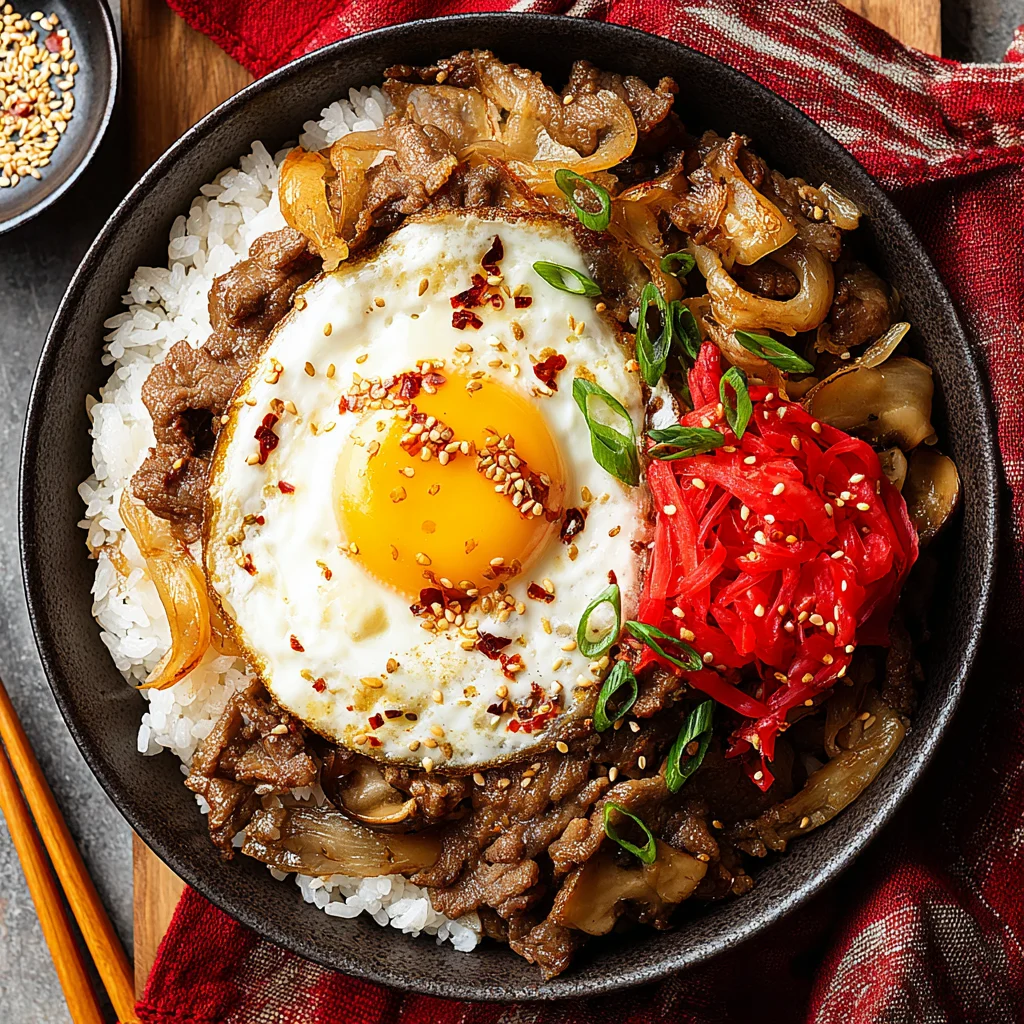
Divide the steamed rice among four bowls. Spoon the beef and onion mixture generously over the rice, making sure each serving gets plenty of that precious sauce. The hot mixture will warm the rice and create beautiful aromatic steam.
Nutritional Information
Per serving (approximately 1 cup rice with beef topping):
- Calories: 520-580
- Protein: 28-32g
- Carbohydrates: 65-70g
- Fat: 15-18g
- Sodium: 900-1000mg
This hearty bowl provides excellent protein content from the beef, complex carbohydrates from the rice, and beneficial nutrients from the onions. The dish offers iron, B-vitamins, and zinc naturally found in beef, while the onions contribute antioxidants and fiber. Keep in mind that nutritional values may vary based on specific ingredients and portion sizes used.
Healthier Alternatives for the Recipe
Lower Calorie Version: Substitute half the beef with thinly sliced mushrooms (shiitake, oyster, or even cremini work wonderfully). Use cauliflower rice or a mixture of regular rice and cauliflower rice to reduce carbohydrates while maintaining that satisfying bowl experience.
Gluten-Free Adaptation: Replace soy sauce with tamari and ensure your dashi is gluten-free (some varieties contain wheat). The rest of the ingredients are naturally gluten-free, making this an easy adaptation that doesn’t compromise flavor.
Plant-Based Alternative: Create a vegan version using thick slices of king oyster mushrooms or extra-firm tofu, pressed and sliced thin. Replace the dashi with mushroom broth and add a splash of vegetarian oyster sauce for extra umami depth.
Reduced Sodium Option: Use low-sodium soy sauce and dilute it further with additional mirin and a touch more sugar. Homemade dashi typically contains less sodium than store-bought versions, and you can control the salt content completely.
Serving Suggestions
Serve your gyudon immediately while steaming hot, accompanied by traditional Japanese pickles (tsukemono) to cut through the richness. A soft-boiled egg nestled on top adds luxurious creaminess and authentic presentation. For beverages, consider green tea, which cleanses the palate, or cold beer, which complements the savory-sweet flavors beautifully.
Portion Guidance: This recipe serves 4 as a main dish or 6 as part of a larger Japanese meal with miso soup and vegetables. For heartier appetites, increase the rice portion and add an extra egg.
Seasonal Variations: In spring, garnish with fresh peas or edamame. Summer calls for cucumber pickles on the side. Fall and winter versions benefit from a sprinkle of shichimi togarashi (seven-spice blend) for gentle heat.
Common Mistakes to Avoid
Overcooking the Beef: Thin slices of beef cook incredibly fast. Keep the heat at medium-high and watch carefully – overcooked beef becomes tough and chewy instead of silky and tender.
Skipping the Sauce Prep: Don’t add ingredients directly to the pan. Pre-mixing your sauce ensures even distribution and prevents the sugar from burning or creating clumps.
Using the Wrong Rice: Short-grain Japanese rice provides the proper texture and stickiness to support the beef and absorb the sauce. Long-grain rice won’t give you the authentic experience.
Rushing the Onions: While this is a quick dish, give the onions their full 3-4 minutes to develop sweetness and proper texture. Raw or undercooked onions will dominate the dish unpleasantly.
Storing Tips for the Recipe
Refrigerator Storage: Store leftover gyudon in the refrigerator for up to 3 days in airtight containers. Keep the beef mixture and rice separate if possible to prevent the rice from becoming mushy.
Reheating Instructions: For best results, reheat the beef mixture in a small pan with a splash of water or broth to prevent drying out. Microwave rice separately with a damp paper towel covering to restore moisture and fluffiness.
Make-Ahead Preparation: The beef and onion mixture actually improves overnight as flavors meld. Cook the complete dish, cool completely, and refrigerate. The sauce may thicken, but gentle reheating will restore the proper consistency.
Freezing Notes: While possible to freeze for up to 2 months, the texture of onions changes slightly upon thawing. Freeze the beef mixture in portion-sized containers and serve over freshly made rice for best quality.
Conclusion
This quick easy gyudon proves that exceptional comfort food doesn’t require hours in the kitchen or exotic ingredients. In just 15 minutes, you’ll create a restaurant-quality Japanese beef bowl that satisfies on every level – from the tender, flavor-soaked beef to the aromatic steam rising from your bowl. The simplicity of ingredients allows each element to shine while creating something much greater than the sum of its parts.
The beauty of mastering this dish extends beyond the immediate meal. Once you understand the basic technique, you’ll find yourself craving these comforting flavors and appreciating how quickly you can satisfy that craving. Whether feeding a busy family or treating yourself to something special, this gyudon delivers authentic Japanese comfort food that fits perfectly into modern life.
Don’t hesitate to make this your own – adjust the sweetness, experiment with toppings, or try the healthier variations. The foundation is foolproof, and your confidence will grow with each delicious bowl.
FAQs
Can I use different cuts of beef for this recipe?
Absolutely! While thinly sliced ribeye or sirloin work best, you can use any tender cut sliced paper-thin. Freeze the meat for 30 minutes before slicing to achieve those restaurant-thin pieces, or ask your butcher to slice it for hot pot preparations.
What can I substitute for mirin and sake?
If you don’t have mirin, mix 1 tablespoon rice vinegar with 2 teaspoons sugar. For sake, dry white wine or additional dashi work well. The flavor will be slightly different but still delicious – don’t let missing ingredients prevent you from making this comforting dish.
How do I know when the beef is perfectly cooked?
The thin slices should change color from red to brown within 1-2 minutes. They’re done when no pink remains but they still look moist and tender. Overcooked beef becomes gray and tough, so err on the side of slightly underdone.
Can I make this dish spicier?
Traditional gyudon is mild and comforting, but you can add heat with shichimi togarashi sprinkled on top, a few drops of sriracha mixed into the sauce, or sliced fresh chilies cooked with the onions. Start conservatively – you can always add more heat.
Is day-old rice really better for this dish?
Day-old rice has the perfect texture – individual grains that won’t become mushy when topped with the saucy beef mixture. Fresh rice works too, but let it cool for 10-15 minutes after cooking and fluff it gently before serving.
How can I make this dish more filling without adding more beef?
Add a soft-boiled or fried egg on top, increase the rice portion, or serve alongside miso soup and steamed vegetables. You can also mix some cooked mushrooms into the beef mixture for extra substance and umami flavor. For more inspiration, check out my recipe boards for complementary Japanese dishes.