
Introduction
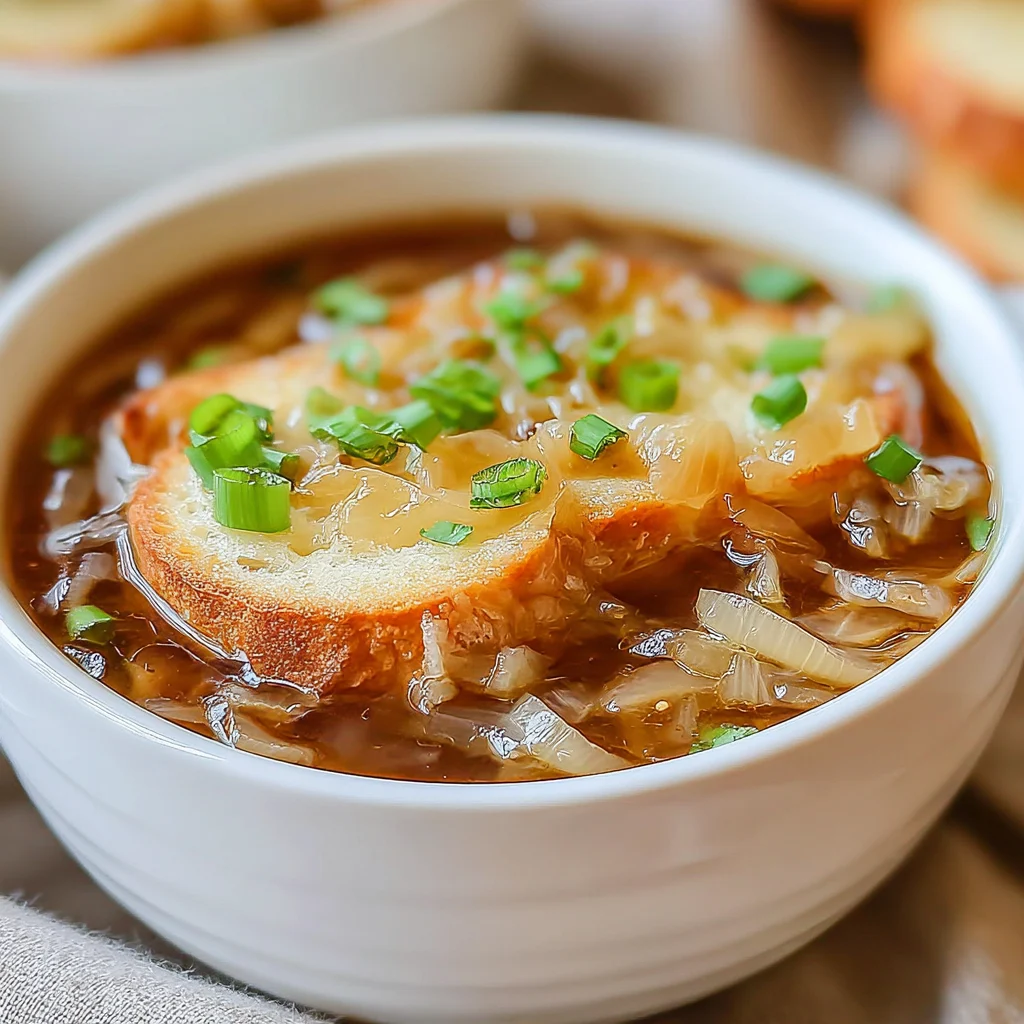
The first time I tasted Benihana onion soup, I was completely captivated by its rich, savory broth and the perfect balance of sweet onions melding with umami-packed flavors. This beloved Japanese steakhouse staple has warmed countless hearts with its comforting simplicity and restaurant-quality taste. What makes this Benihana onion soup recipe truly special is how it transforms humble ingredients into something extraordinary—delivering that authentic teppanyaki experience right in your own kitchen with surprisingly minimal effort.
Ingredients
- 4 cups beef broth (or vegetable broth for vegetarian option)
- 2 medium yellow onions, thinly sliced
- 2 tablespoons butter
- 1 tablespoon soy sauce
- 1 teaspoon garlic powder
- 1/2 teaspoon ground ginger
- 1/4 teaspoon black pepper
- 2 green onions, finely chopped
- 1 teaspoon sesame oil
- Salt to taste
Substitution Tips: You can replace yellow onions with sweet Vidalia onions for extra sweetness, use tamari instead of soy sauce for gluten-free needs, or substitute fresh grated ginger for ground ginger using 1 teaspoon fresh per 1/2 teaspoon ground.
Timing
- Prep Time: 10 minutes
- Cook Time: 25 minutes
- Total Time: 35 minutes
Time-Saving Tip: Slice your onions the night before and store them covered in the refrigerator. This Japanese onion soup base can also be made ahead and gently reheated when ready to serve.
How to Make It
1. Prepare and Sauté the Onions
Heat butter in a large saucepan over medium heat until it starts to foam and releases a nutty aroma. Add the sliced onions and cook for 8-10 minutes, stirring occasionally. You’ll hear gentle sizzling as the onions release their moisture and begin to soften. Watch for them to turn translucent and develop light golden edges—this caramelization process builds the soup’s foundational sweetness and depth of flavor that makes restaurant-style onion soup so irresistible.
2. Add Aromatics and Seasonings
Sprinkle in the garlic powder, ground ginger, and black pepper, stirring constantly for about 30 seconds until fragrant. The spices should bloom and become aromatic without burning. This step is crucial because it awakens the dormant flavors in the dried spices, creating a more complex taste profile that mimics the authentic Benihana experience. The kitchen will fill with warm, inviting aromas that signal you’re on the right track.
3. Build the Broth Base
Pour in the beef broth and soy sauce, bringing the mixture to a gentle boil over medium-high heat. You’ll notice the liquid bubbling enthusiastically around the edges first, then across the entire surface. Once boiling, immediately reduce heat to low and let it simmer uncovered for 12-15 minutes. This simmering process allows the onions to fully integrate with the broth while concentrating the flavors—the liquid should reduce slightly and taste richer with each passing minute.
4. Final Seasoning and Finishing Touches
Remove the soup from heat and stir in the sesame oil, which adds that distinctive nutty finish characteristic of Japanese cuisine. Taste and adjust seasoning with salt as needed—the soup should have a balanced savory-sweet flavor with subtle ginger warmth. The sesame oil creates a silky mouthfeel and aromatic finish that elevates this homemade version to restaurant quality.
5. Garnish and Serve
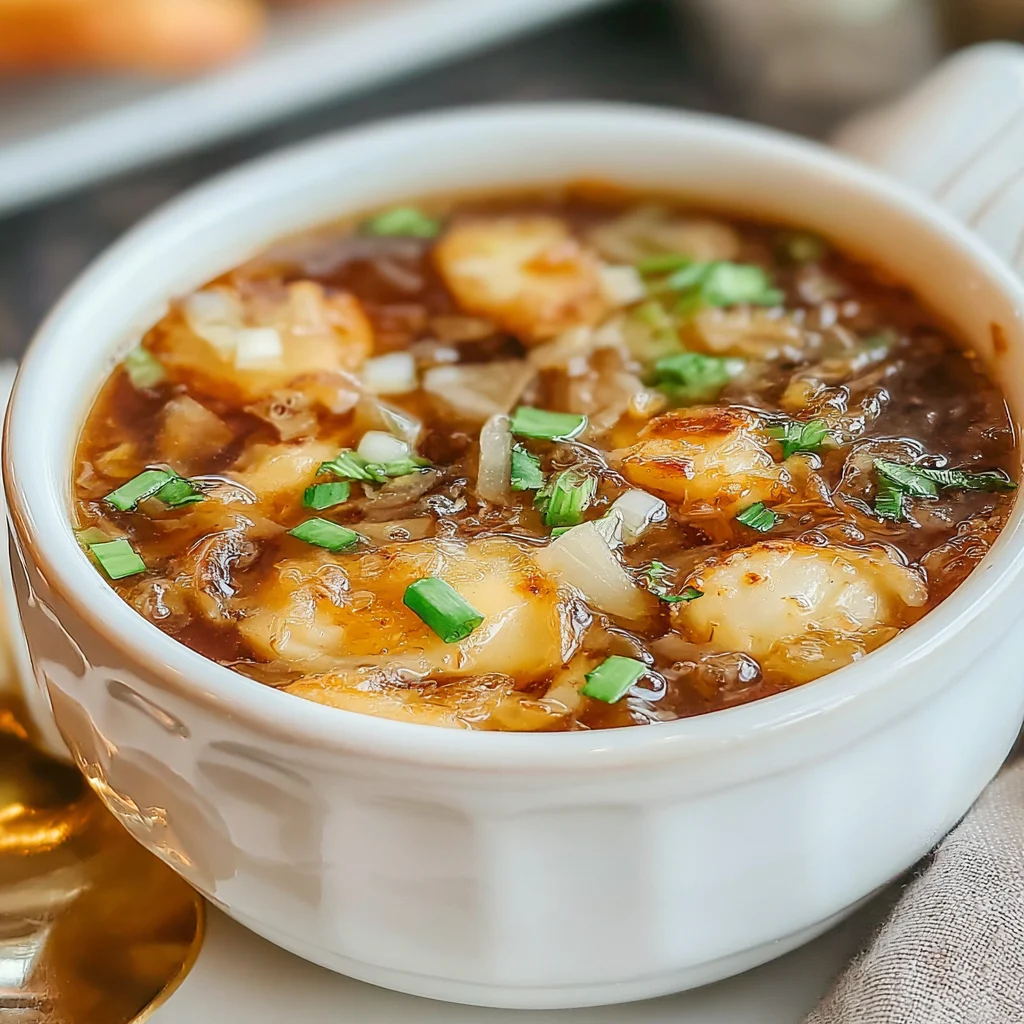
Ladle the hot soup into bowls and generously sprinkle with fresh chopped green onions. The bright green color provides beautiful contrast while adding a mild onion bite that complements the sweet caramelized onions perfectly. Serve immediately while the soup is steaming hot for the best flavor experience and authentic Benihana presentation.
Nutritional Information
Per serving (serves 4): Approximately 95 calories, 3g protein, 8g carbohydrates, 6g fat. This soup provides vitamin C from onions, some B vitamins from the broth, and beneficial compounds from ginger. Nutritional values are estimates and may vary based on specific ingredients used.
Serving Suggestions
This authentic onion soup pairs beautifully with hibachi-style fried rice, grilled vegetables, or simple steamed edamame. For presentation, serve in traditional Japanese soup bowls with ceramic spoons. One recipe serves 4 as an appetizer or 2-3 as a light meal.
Common Mistakes to Avoid
Rushing the onion cooking process – Take time to properly caramelize them for maximum flavor development. Boiling too vigorously – Gentle simmering prevents the delicate flavors from becoming muddy. Skipping the sesame oil – This final touch is essential for authentic taste. Over-salting early – The soy sauce and broth already contain sodium, so taste before adding more salt.
Storing Tips
Store leftover soup in the refrigerator for up to 4 days in airtight containers. For best results, reheat gently on the stovetop over low heat, stirring occasionally. Freezing isn’t recommended as the onion texture may become mushy upon thawing.
Conclusion
This Benihana onion soup recipe captures all the comforting warmth and authentic flavors that make the original so beloved. With simple ingredients and straightforward techniques, you can now enjoy this Japanese steakhouse classic whenever cravings strike. I’d love to hear how your homemade version turns out!
FAQs
Can I make this soup vegetarian?
Absolutely! Simply substitute vegetable broth for beef broth. The soup will have a lighter flavor profile but remains delicious and authentic-tasting.
Why does my soup taste bland compared to the restaurant version?
Ensure you’re properly caramelizing the onions and don’t skip the sesame oil. These steps are crucial for developing the deep, complex flavors that define great onion soup.
How can I make this recipe spicier?
Add a pinch of red pepper flakes when you add the other seasonings, or include a small amount of freshly grated ginger for extra heat and flavor.
Can I prepare this soup in advance for entertaining?
Yes! The soup actually tastes better after sitting for a few hours as flavors meld. Prepare everything except the green onion garnish, then reheat gently before serving.
What’s the best way to slice onions for this soup?
Cut onions into thin, uniform slices about 1/8-inch thick. Consistent sizing ensures even cooking and the perfect texture. For more delicious recipe inspiration, check out our collection of Asian-inspired dishes.