
Introduction
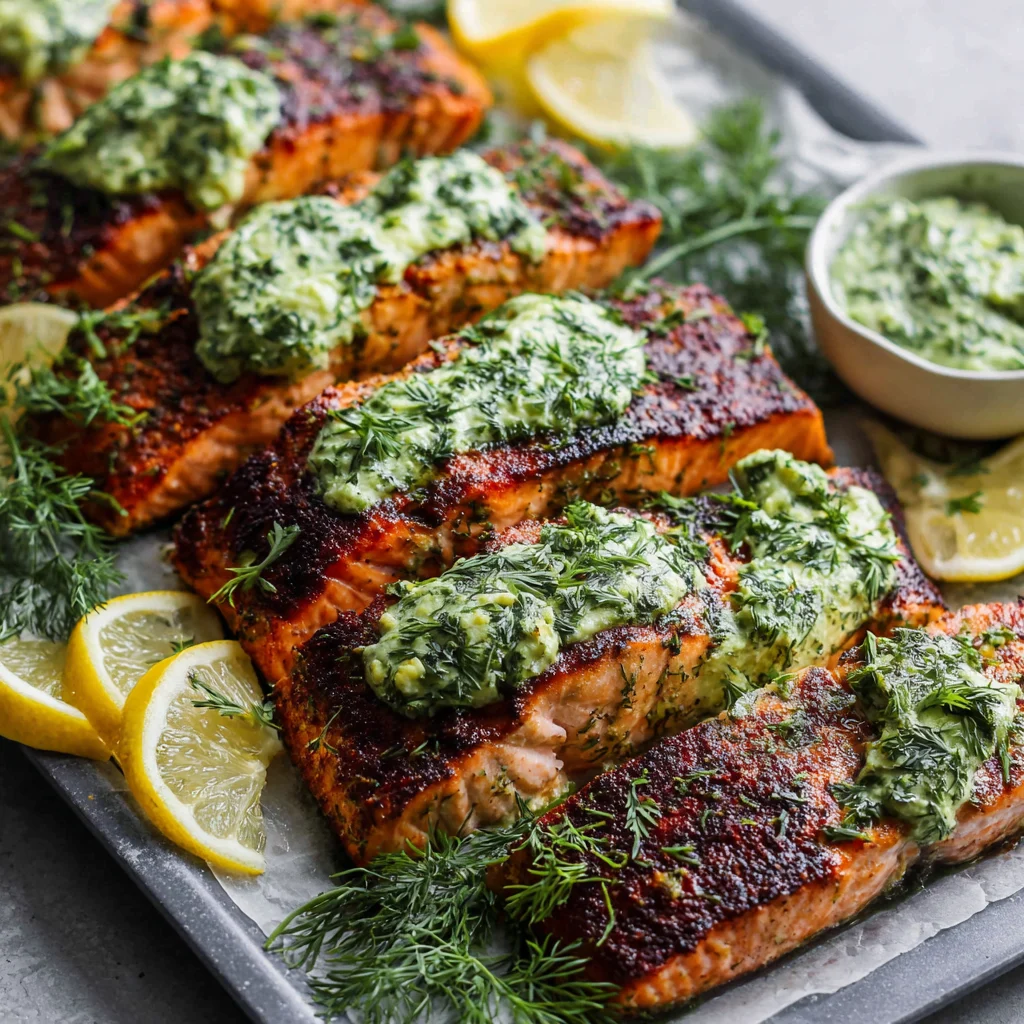
Picture this: it’s Wednesday evening, you’re just getting home, and the last thing you want to do is spend an hour in the kitchen. Enter this baked salmon recipe – your weeknight dinner hero. With just 20 minutes from start to finish, this foolproof method delivers perfectly flaky, tender salmon with a golden exterior that looks like you spent hours preparing it. The beauty lies in its simplicity: a handful of pantry staples transforms this nutritious fish into something truly spectacular.
Ingredients
For the Salmon:
- 4 salmon fillets (6 oz each), skin-on or skinless
- 3 tablespoons olive oil
- 2 tablespoons fresh lemon juice
- 3 cloves garlic, minced
- 1 teaspoon dried oregano
- 1 teaspoon paprika
- ¾ teaspoon salt
- ½ teaspoon black pepper
- 2 tablespoons fresh parsley, chopped
Substitutions:
- Swap oregano for thyme or dill for different flavor profiles
- Use lime juice instead of lemon for a citrusy twist
- Replace fresh garlic with 1 teaspoon garlic powder if needed
Timing
Prep Time: 5 minutes
Cook Time: 15 minutes
Total Time: 20 minutes
Time-Saving Tip: Mix your seasoning blend in advance and store it in an airtight container for up to 3 months. This way, you can have dinner on the table even faster on those particularly hectic nights.
How to Make It
1. Prepare Your Oven and Pan
Preheat your oven to 425°F (220°C) and line a baking sheet with parchment paper or lightly grease it with olive oil. This high temperature is crucial for achieving that beautiful caramelized exterior while keeping the interior moist and flaky. The parchment prevents sticking and makes cleanup effortless – because who wants to scrub baked-on fish?
2. Create the Flavor Base
Pat the salmon fillets completely dry with paper towels – this step is essential for proper browning. In a small bowl, whisk together olive oil, lemon juice, minced garlic, oregano, paprika, salt, and pepper. You’ll notice the mixture becomes fragrant immediately as the garlic releases its aroma into the oil. This creates not just seasoning, but a protective coating that locks in moisture during baking.
3. Season the Salmon
Place the salmon fillets on your prepared baking sheet, leaving about 2 inches between each piece for even cooking. Brush or drizzle the oil mixture generously over each fillet, making sure to coat the top and sides. Use your fingers to gently rub the seasoning into the fish – you want every bite to be flavorful. The salmon should glisten with the herb-infused oil, and you’ll smell the bright citrus and earthy herbs mingling together.
4. Bake to Perfection
Slide the baking sheet into your preheated oven and bake for 12-15 minutes, depending on thickness. Here’s what to watch for: the salmon is done when it flakes easily with a fork and the internal temperature reaches 145°F (63°C). The exterior should look golden and slightly caramelized, while the center remains tender and moist. You might hear a gentle sizzling sound from the pan – that’s the oil working its magic.
5. Rest and Garnish
Remove the salmon from the oven and let it rest for 2-3 minutes. This brief resting period allows the juices to redistribute throughout the fish, ensuring each bite is succulent. Sprinkle fresh parsley over the fillets for a pop of color and fresh flavor that brightens the entire dish. The residual heat will gently wilt the herbs, releasing their aromatic oils.
Nutritional Information
Each serving provides approximately 320 calories, 35g protein, 2g carbohydrates, and 18g healthy fats. Salmon is packed with omega-3 fatty acids, which support heart and brain health, making this recipe as nutritious as it is delicious.
Serving Suggestions
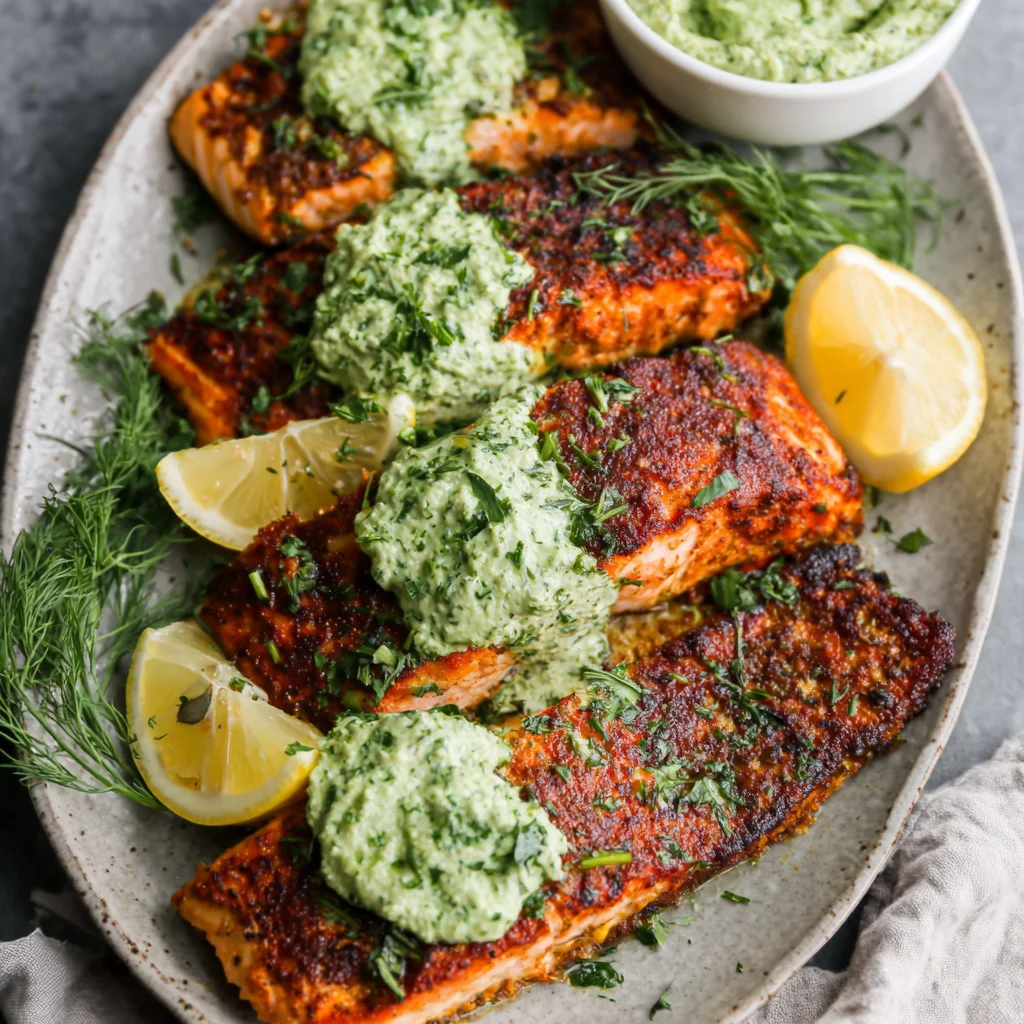
This baked salmon pairs beautifully with roasted asparagus, garlic mashed potatoes, or a crisp arugula salad. For an elegant presentation, serve on warmed plates with lemon wedges alongside. Plan for one 6-ounce fillet per person for a satisfying main course.
Common Mistakes to Avoid
Overcooking: Salmon continues cooking after removal from the oven, so pull it out when it’s just opaque. Skipping the dry step: Wet fish won’t brown properly and can steam instead of bake. Uneven thickness: If your fillets vary in size, fold thinner tail portions under for uniform cooking. Forgetting to rest: Cutting immediately causes juices to run out, leaving you with dry fish.
Storing Tips
Store leftover salmon in the refrigerator for up to 3 days in an airtight container. For best results when reheating, use a 300°F oven for 8-10 minutes rather than the microwave, which can make the fish rubbery.
Conclusion
This baked salmon recipe proves that elegant, healthy dinners don’t require complicated techniques or hours of preparation. With its perfect balance of simplicity and sophistication, it’s destined to become your go-to weeknight solution. Give it a try and let me know how it turns out!
FAQs
Can I use frozen salmon fillets?
Yes, but thaw them completely first and pat thoroughly dry. Frozen fish retains more moisture, which can affect browning and cooking time.
What if I don’t have parchment paper?
Lightly oil your baking sheet or use aluminum foil. Both work well, though parchment provides the easiest cleanup and prevents sticking.
How do I know when salmon is perfectly cooked?
The fish should flake easily with a fork and appear opaque throughout. An instant-read thermometer should register 145°F at the thickest part.
Can I make this recipe with other fish?
Absolutely! This method works beautifully with cod, halibut, or sea bass. Adjust cooking time based on thickness – thinner fillets need less time.
What’s the best way to remove pin bones?
Run your fingers along the fillet before cooking and use tweezers or needle-nose pliers to pull out any bones you find. For more delicious salmon preparations, check out this recipe collection for inspiration.
Baked Salmon Recipe
Ingredients
Method
- Preheat your oven to 425°F (220°C) and line a baking sheet with parchment paper or lightly grease it with olive oil.
- Pat the salmon fillets completely dry with paper towels. In a small bowl, whisk together olive oil, lemon juice, minced garlic, oregano, paprika, salt, and pepper.
- Place the salmon fillets on your prepared baking sheet, leaving about 2 inches between each piece. Brush or drizzle the oil mixture generously over each fillet, coating the top and sides. Rub the seasoning into the fish with your fingers.
- Bake for 12-15 minutes, depending on thickness, until the salmon flakes easily with a fork and the internal temperature reaches 145°F (63°C). The exterior should look golden and slightly caramelized.
- Remove from oven and let rest for 2-3 minutes. Sprinkle fresh parsley over the fillets before serving.