
Introduction
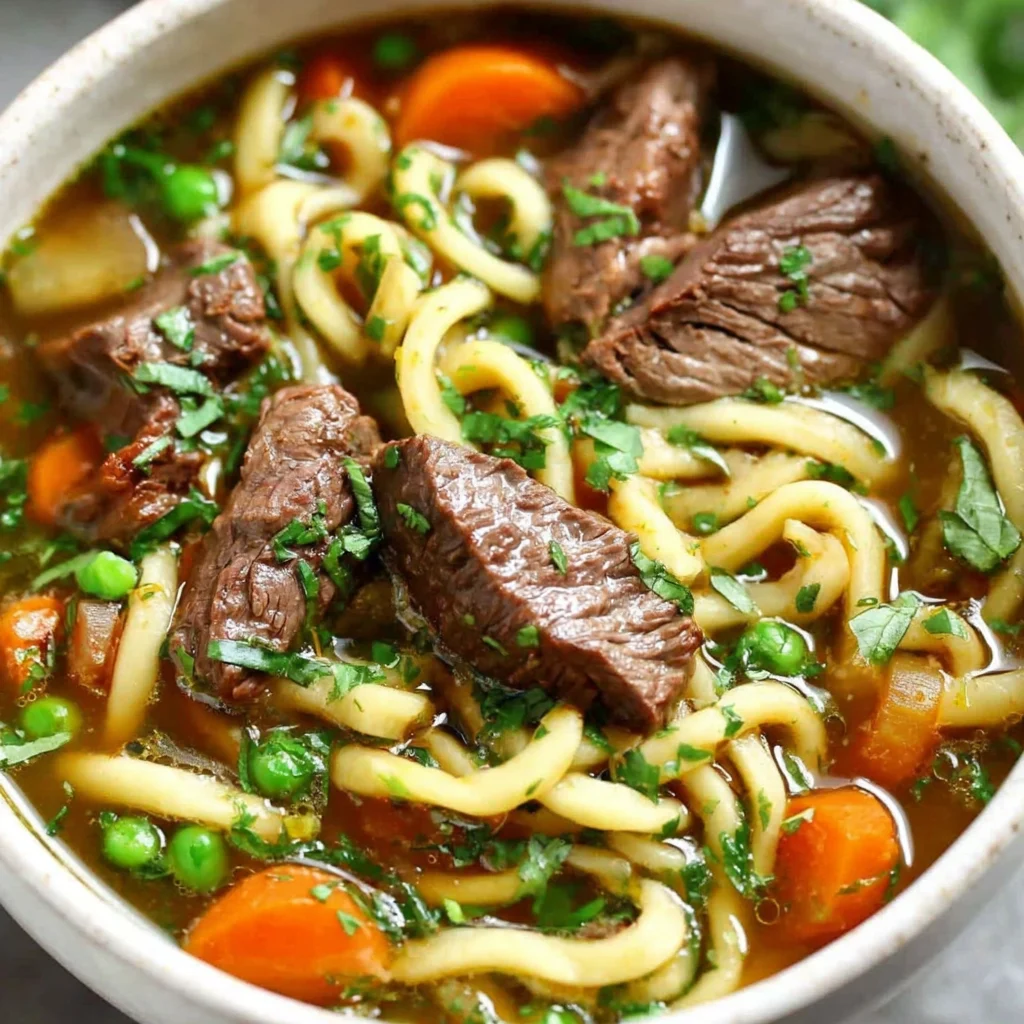
There’s something deeply satisfying about a steaming bowl of beef noodle soup that goes beyond mere nourishment. Growing up, the aroma of slow-simmered beef and fragrant spices would fill our kitchen on cold Sunday afternoons, creating an atmosphere of warmth and anticipation that made even the dreariest days feel cozy. This beef noodle soup recipe captures that same magic – tender chunks of beef swimming in a rich, aromatic broth alongside perfectly cooked noodles that soak up every drop of flavor.
What makes this comfort food so special isn’t just its incredible taste, but its ability to bring people together around the dinner table. The combination of umami-rich broth, melt-in-your-mouth beef, and hearty noodles creates a symphony of textures and flavors that satisfies both body and soul. This homemade version transforms simple ingredients into something extraordinary, proving that the best comfort foods are often the ones made with love in your own kitchen.
Ingredients List
For the Broth:
- 2 lbs beef chuck roast or beef short ribs, cut into 2-inch chunks
- 8 cups beef stock (or water with bouillon cubes)
- 1 large onion, quartered
- 3 cloves garlic, smashed
- 2-inch piece fresh ginger, sliced
- 2 bay leaves
- 1 cinnamon stick
- 3 star anise pods
- 1 teaspoon whole black peppercorns
For the Soup:
- 12 oz fresh or dried egg noodles (substitute: rice noodles or ramen noodles)
- 2 tablespoons vegetable oil
- 1 medium onion, thinly sliced
- 3 tablespoons soy sauce
- 1 tablespoon dark soy sauce (or additional regular soy sauce)
- 1 teaspoon sesame oil
- Salt and white pepper to taste
For Garnish:
- 3 green onions, chopped
- Fresh cilantro leaves
- Sliced jalapeños or chili oil
- Soft-boiled eggs (optional)
- Bean sprouts
Substitution Notes: For gluten-free options, use rice noodles and tamari instead of soy sauce. Vegetarians can substitute the beef with firm tofu or mushrooms and use vegetable broth. Those avoiding sodium can reduce soy sauce and rely more on aromatics for flavor.
Timing
Total Time: 3 hours 15 minutes
Active Preparation: 30 minutes
Cooking Time: 2 hours 45 minutes
Serves: 4-6 people
The beauty of this recipe lies in its forgiving nature – while the total time seems lengthy, most of it involves hands-off simmering. Use this time to prepare garnishes, tidy the kitchen, or simply enjoy the incredible aromas filling your home. The broth can be made up to two days ahead, making weeknight serving a breeze. For busy schedules, start the broth in a slow cooker on low for 6-8 hours, then proceed with the final steps when ready to serve.
How to Make It
1. Prepare the Aromatics
Begin by gathering your aromatic ingredients – this step sets the foundation for incredible flavor. Toast the star anise, cinnamon stick, and peppercorns in a dry pan for about 30 seconds until fragrant. This simple technique awakens the spices and creates a more complex flavor profile that will permeate your entire broth.
2. Brown the Beef
Heat vegetable oil in a large, heavy-bottomed pot over medium-high heat. Pat the beef chunks completely dry and season generously with salt and pepper. Brown the beef in batches, ensuring each piece develops a beautiful golden crust. This caramelization creates depth and richness that can’t be achieved any other way. Don’t rush this step – proper browning takes about 8-10 minutes total.
3. Build the Broth
Return all beef to the pot and add the beef stock, quartered onion, smashed garlic, ginger, bay leaves, and toasted spices. Bring to a gentle boil, then reduce heat to maintain a low simmer. Skim any foam that rises to the surface during the first 20 minutes – this ensures a crystal-clear, clean-tasting broth. Cover partially and simmer for 2-2.5 hours until the beef becomes fork-tender.
4. Strain and Season
Remove the beef chunks and set aside to cool slightly. Strain the broth through a fine-mesh sieve, discarding the solids. You should have about 6 cups of rich, aromatic broth. Taste and season with soy sauce, dark soy sauce, and sesame oil. The broth should be well-balanced – savory, slightly sweet, and deeply satisfying.
5. Prepare the Noodles
Cook the noodles according to package directions until just al dente – they’ll continue cooking slightly when added to the hot broth. Drain and rinse briefly with cool water to stop the cooking process. This prevents mushy noodles and maintains the perfect texture.
6. Final Assembly
Shred or chop the cooled beef into bite-sized pieces. In the same pot, sauté the sliced onion in a little oil until golden and caramelized. Return the strained broth and beef to the pot, bring to a gentle simmer, and adjust seasoning as needed.
7. Serve with Style
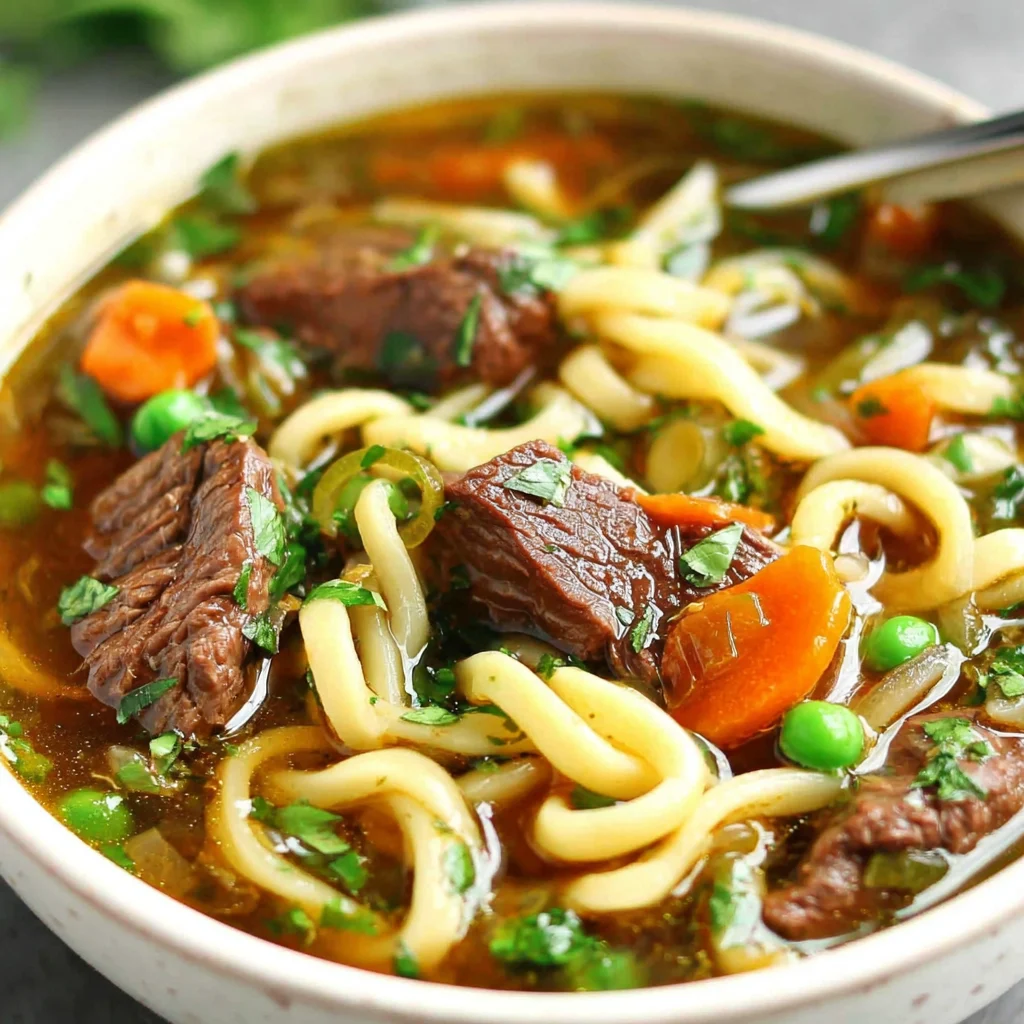
Divide the cooked noodles among serving bowls. Ladle the hot broth and beef over the noodles, ensuring each bowl gets plenty of tender meat. Top generously with chopped green onions, fresh cilantro, and any other desired garnishes. Serve immediately while piping hot.
Nutritional Information
Each generous serving contains approximately 480 calories, with a substantial 35 grams of protein from the tender beef. The soup provides essential B vitamins, particularly B12 and niacin, along with iron and zinc from the meat. The aromatic spices contribute antioxidants, while the ginger offers natural anti-inflammatory properties.
The bone-in beef cuts used in this soup naturally release collagen during the long cooking process, creating a silky, nourishing broth that supports joint health. The combination of protein and complex carbohydrates from the noodles provides sustained energy and satisfaction.
While this soup is relatively high in sodium due to the soy sauce and beef stock, you can easily reduce this by using low-sodium alternatives or making your own stock from scratch. The generous vegetable garnishes add fiber, vitamins C and K, and fresh flavor that balances the rich broth perfectly.
Nutritional values are approximate and may vary based on specific ingredients and portion sizes used.
Healthier Alternatives for the Recipe
Transform this comfort food classic into a lighter version without sacrificing flavor. Replace traditional egg noodles with spiralized zucchini or shirataki noodles to significantly reduce calories and carbohydrates. For a protein boost with less fat, use lean beef sirloin or even substitute with chicken breast.
Create a plant-based version using meaty mushrooms like king oyster or shiitake, combined with vegetable broth enriched with miso paste for umami depth. Firm tofu, marinated and pan-fried until golden, provides excellent protein while absorbing all the wonderful broth flavors.
Reduce sodium by making your own beef stock from bones and vegetables, controlling the salt content completely. Replace regular soy sauce with coconut aminos for a soy-free alternative that adds similar umami richness. Add extra vegetables like bok choy, carrots, or snow peas to increase fiber and nutrients while creating a more colorful, satisfying bowl.
For those watching their fat intake, prepare the broth a day ahead and refrigerate overnight. The fat will solidify on top, making it easy to remove before reheating and serving.
Serving Suggestions
Present this beautiful soup in deep, warmed bowls to maintain temperature and create an authentic restaurant-style experience. Arrange garnishes in small bowls, allowing everyone to customize their bowl according to their preferences – some love extra heat from chili oil, while others prefer fresh herbs.
Pair with crispy spring rolls or steamed dumplings for a complete Asian-inspired meal. The contrast between the soup’s rich warmth and the crispy, fresh accompaniments creates a perfectly balanced dining experience. For a lighter approach, serve alongside a cucumber salad dressed with rice vinegar and sesame oil.
Consider seasonal variations: add fresh corn kernels in summer, hearty root vegetables in fall, or crisp snow peas in spring. During colder months, increase the warming spices like ginger and add a dash of white pepper for extra heat.
For special occasions, elevate the presentation with soft-boiled eggs, sliced with creamy yolks that enrich the broth, or add thin slices of fresh jalapeño for those who enjoy a spicy kick.
Common Mistakes to Avoid
The most frequent error is rushing the browning process – inadequately browned beef results in a less flavorful broth. Take time to properly sear each piece until golden brown; this extra step creates the foundation for incredible taste.
Another common pitfall involves overcooking the noodles. They continue cooking when added to the hot broth, so aim for just shy of al dente when boiling separately. Mushy noodles can ruin an otherwise perfect soup.
Many home cooks skip the skimming step, resulting in cloudy, greasy broth. Those first 20 minutes of gentle simmering and careful skimming make the difference between restaurant-quality clear broth and murky, unappetizing soup.
Seasoning mistakes happen when cooks add all the soy sauce at once without tasting. Build the flavor gradually, tasting as you go. The broth should be well-seasoned but not overpowering – remember that garnishes will add additional flavor elements.
Finally, serving in cold bowls immediately drops the soup’s temperature. Warm your bowls with hot water before serving to maintain that perfect, steaming presentation.
Storing Tips for the Recipe
Store leftover soup components separately for best results. Keep the broth and beef together in the refrigerator for up to 3 days, but store cooked noodles separately to prevent them from becoming mushy. The broth actually improves in flavor after a day, as all the ingredients meld together beautifully.
For freezer storage, the broth and beef freeze wonderfully for up to 3 months in freezer-safe containers. Leave about an inch of space at the top to allow for expansion. Avoid freezing the assembled soup with noodles, as they become unpleasantly soft upon thawing.
When reheating, bring the broth to a gentle simmer and add fresh noodles for best texture. If reheating noodles that were stored separately, add them to the hot broth just long enough to warm through.
Prepare garnishes fresh for each serving – while the soup base keeps well, fresh herbs and vegetables provide the bright, contrasting flavors that make each bowl special.
For make-ahead convenience, prepare the entire broth recipe on weekends, then enjoy quick, satisfying meals throughout the week by simply cooking fresh noodles and reheating the flavorful base.
Conclusion
This homemade beef noodle soup represents everything wonderful about comfort food – it’s nourishing, satisfying, and filled with layers of complex flavor that develop through patience and care. The tender beef, aromatic broth, and perfectly cooked noodles create a harmony that transforms simple ingredients into something truly special.
What makes this recipe particularly rewarding is its adaptability to your family’s preferences and dietary needs. Whether you prefer it spicy, mild, loaded with vegetables, or kept simple and traditional, this foundation provides endless possibilities for customization.
The time invested in creating this soup pays dividends beyond just one meal – the incredible aromas filling your kitchen, the satisfaction of creating something from scratch, and the joy of sharing a warming bowl with loved ones make every minute worthwhile. Don’t hesitate to make this your own by experimenting with different garnishes or spice combinations.
Try this recipe on your next cozy weekend, and discover how a simple pot of soup can transform an ordinary day into something memorable. For more inspiration and variations, check out my recipe collection on Pinterest.
FAQs
Can I use a pressure cooker or Instant Pot for this recipe?
Absolutely! Brown the beef using the sauté function, then add broth and aromatics. Pressure cook on high for 45 minutes with natural release. This reduces cooking time significantly while still achieving tender beef and flavorful broth.
What’s the best cut of beef for this soup?
Chuck roast, short ribs, or beef shank work beautifully because they contain connective tissue that breaks down during long cooking, creating incredibly tender meat and rich broth. Avoid lean cuts like sirloin, which become tough with extended cooking.
How can I make the broth clearer?
Keep the simmer very gentle – vigorous boiling creates cloudiness. Skim foam regularly during the first 20 minutes, and consider clarifying with egg whites if crystal-clear broth is important. Starting with cold stock and bringing it slowly to temperature also helps.
Can I substitute the egg noodles with other types?
Yes! Rice noodles, ramen noodles, or even spaghetti work well. Adjust cooking times according to package directions, and remember that different noodles absorb broth differently, so you might need to adjust the liquid accordingly.
Why does my broth lack flavor despite following the recipe?
Ensure you’re browning the beef properly and toasting the spices. Taste and adjust seasoning gradually throughout cooking. Sometimes homemade stock needs more salt than expected, and the aromatics should be fresh for maximum impact.
How do I prevent the noodles from getting mushy in leftovers?
Store noodles separately from the broth and combine only when serving. If you must store them together, slightly undercook the noodles initially. For reheating, add fresh noodles to hot broth for best texture.