
Introduction
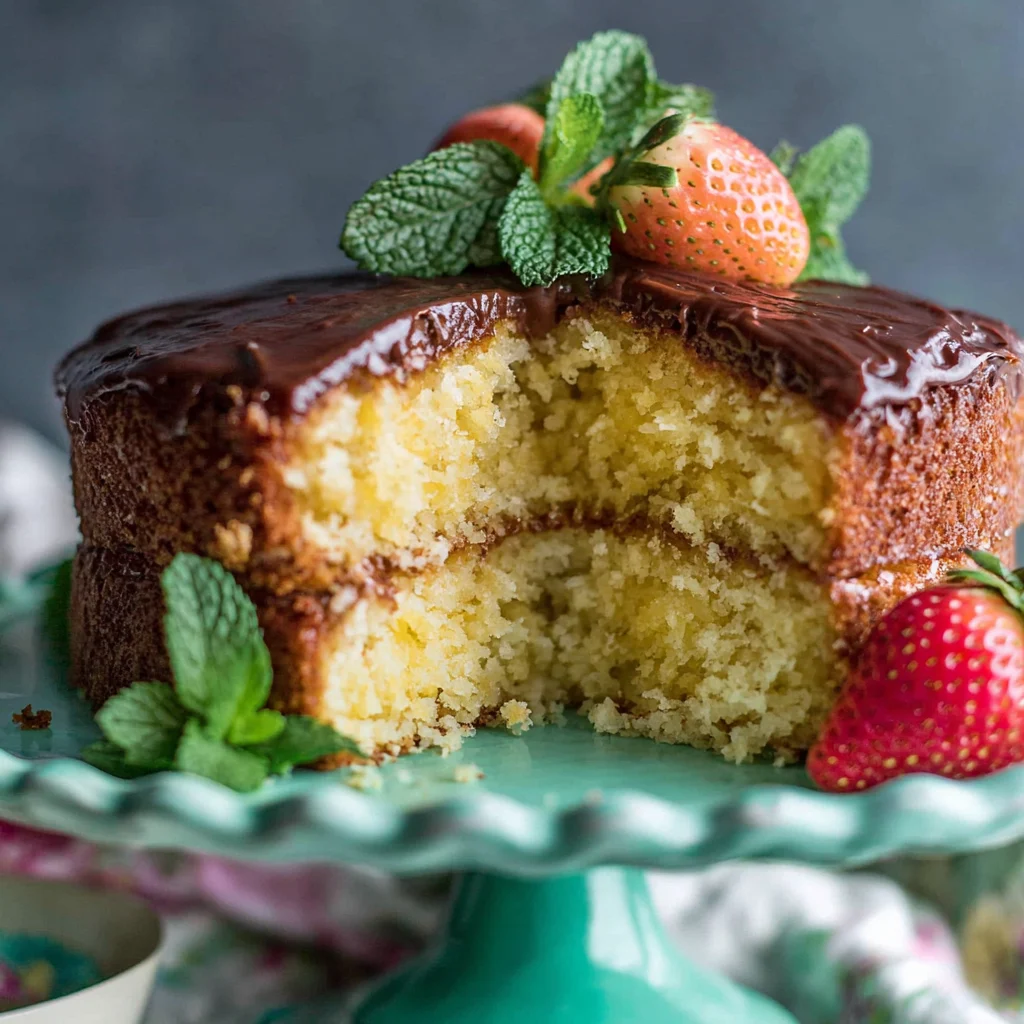
Growing up in my grandmother’s kitchen, I watched her transform simple pantry staples into pure magic—and nothing was more enchanting than her best yellow cake. This golden beauty became the foundation for countless celebrations, from birthday parties to Sunday family dinners. What makes this particular yellow cake recipe extraordinary isn’t just its tender, moist crumb or its rich, buttery flavor—it’s the foolproof technique that delivers bakery-quality results every single time. Unlike complicated layer cakes that require professional skills, this homemade delight welcomes bakers of all levels with open arms.
Ingredients List
For the Cake:
- 2½ cups all-purpose flour
- 2½ teaspoons baking powder
- ½ teaspoon salt
- 1¾ cups granulated sugar
- ½ cup unsalted butter, softened
- 3 large eggs, room temperature
- 2 teaspoons vanilla extract
- 1¼ cups whole milk, room temperature
Practical Substitutions:
- Butter Alternative: Replace with ½ cup vegetable oil for extra moisture
- Milk Options: Buttermilk creates tangier flavor, while almond milk works for dairy-free needs
- Sugar Swap: Use ¾ cup honey plus reduce milk by ¼ cup for natural sweetness
Timing
- Prep Time: 15 minutes
- Cook Time: 25-30 minutes
- Total Time: 45 minutes
Time-Saving Tip: Bring eggs and milk to room temperature quickly by placing eggs in warm water for 10 minutes and microwaving milk for 30 seconds.
How to Make It
1. Prepare Your Workspace
Preheat your oven to 350°F and grease two 9-inch round cake pans with butter, then dust with flour. This double-protection method prevents any sticking disasters. Room temperature ingredients blend more easily, creating that coveted smooth batter texture that translates into even crumb structure.
2. Mix the Dry Foundation
Whisk together flour, baking powder, and salt in a medium bowl until evenly distributed. This step ensures your leavening agents are properly incorporated, preventing dense spots in your finished cake. The gentle whisking also aerates the flour slightly, contributing to the cake’s light texture.
3. Cream Butter and Sugar
Using an electric mixer, beat softened butter and sugar for 4-5 minutes until the mixture becomes pale yellow and noticeably fluffy. You’ll hear the mixer’s tone change as air incorporates—this creaming process is crucial for creating lift in your yellow cake. The mixture should nearly double in volume and feel lighter when you lift the beaters.
4. Build the Batter
Add eggs one at a time, beating well after each addition until fully incorporated. Pour in vanilla extract, then alternate adding the flour mixture and milk, beginning and ending with flour. Mix just until combined—overmixing develops tough gluten strands that create dense, chewy texture instead of tender crumb. The finished batter should be smooth and golden, with a consistency similar to thick cream.
5. Bake to Golden Perfection
Divide batter evenly between prepared pans and bake for 25-30 minutes. Your kitchen will fill with that unmistakable buttery vanilla aroma around the 20-minute mark. The cakes are done when they spring back lightly when touched and a toothpick inserted in the center emerges with just a few moist crumbs. The edges will just begin pulling away from the pan sides.
6. Cool Properly
Let cakes rest in pans for 10 minutes—this brief rest allows the structure to set without becoming soggy. Turn out onto wire racks to cool completely before frosting. Patience here prevents melted frosting disasters and ensures clean, professional-looking layers.
Nutritional Information
Each slice (1/12 of cake) contains approximately 285 calories, 4g protein, 52g carbohydrates, and 7g fat. This homemade yellow cake provides energy from quality ingredients without artificial preservatives found in store-bought versions. Values are approximate and may vary based on specific ingredient brands used.
Serving Suggestions
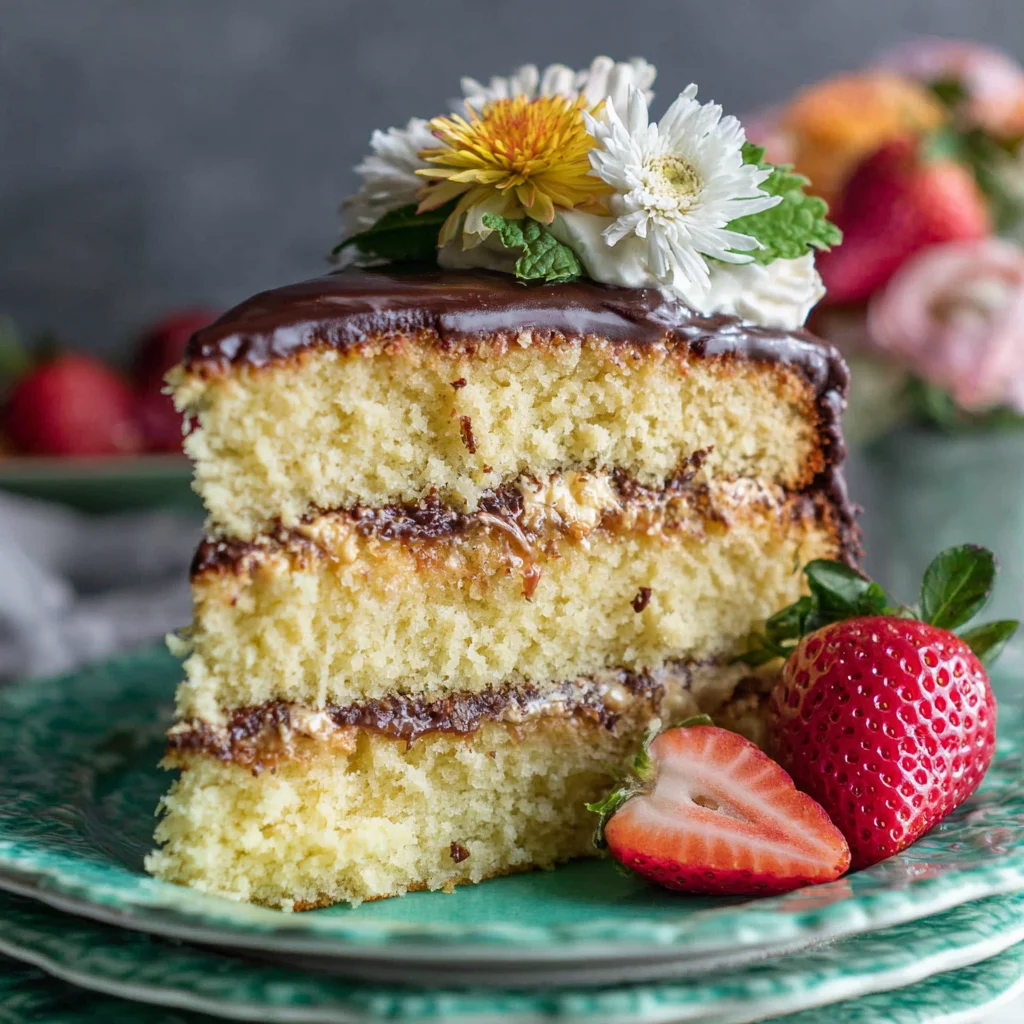
This versatile yellow cake pairs beautifully with classic chocolate buttercream, fresh strawberries and whipped cream, or simple vanilla glaze. For elegant presentation, dust with powdered sugar and garnish with fresh berries. Each layer serves 8-10 people generously, making it perfect for family gatherings.
Common Mistakes to Avoid
Temperature Troubles: Cold ingredients create lumpy batter and uneven texture. Always bring dairy and eggs to room temperature first. Overmixing Mishaps: Beating batter too vigorously after adding flour develops gluten, resulting in tough, dense cake. Oven Door Peeking: Opening the oven door too early causes temperature fluctuations that can make cakes sink. Premature Frosting: Decorating warm cake melts frosting and creates messy layers.
Storing Tips
Store unfrosted cake layers wrapped in plastic wrap at room temperature for up to three days, or freeze for up to three months. Frosted cakes keep well refrigerated for up to one week in airtight containers. For best flavor and texture, bring refrigerated cake to room temperature 30 minutes before serving.
Conclusion
This best yellow cake recipe represents more than just baking—it’s about creating memories and sharing joy through homemade goodness. The tender crumb and rich flavor make every occasion feel special, whether you’re celebrating milestones or simply treating yourself to something wonderful. I’d love to hear how your yellow cake turned out and what creative recipe variations you discover!
FAQs
Can I make this cake ahead of time?
Absolutely! Bake layers up to two days in advance, wrap tightly in plastic wrap, and store at room temperature. Freeze for longer storage up to three months.
Why did my cake turn out dense?
Dense texture usually results from overmixing the batter after adding flour, using cold ingredients, or measuring flour incorrectly. Spoon flour into measuring cups and level off.
Can I use this recipe for cupcakes?
Yes! Fill cupcake liners ⅔ full and bake at 350°F for 18-22 minutes. This recipe yields approximately 24 standard cupcakes with perfectly domed tops.
What’s the best way to ensure even layers?
Use a kitchen scale to divide batter equally between pans, or measure with a large spoon—each pan should get about 2½ cups of batter for even results.
How do I know when the cake is perfectly done?
Look for golden edges that slightly pull away from pan sides, a springy top when lightly touched, and a toothpick that emerges with just a few moist crumbs attached.