
Introduction
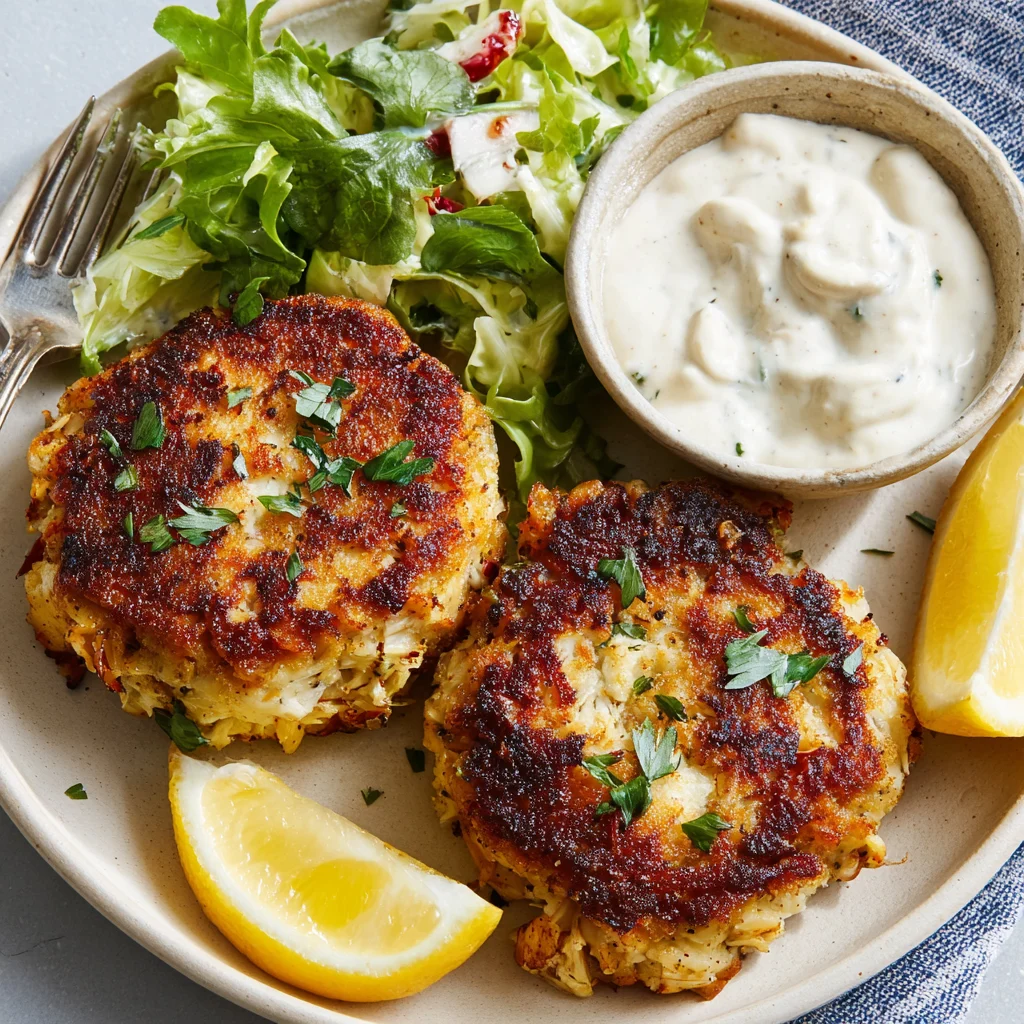
Nothing beats the satisfaction of biting into a perfectly golden crab cake that’s crispy on the outside and tender on the inside. These easy crab cakes bring all the elegance of a high-end seafood restaurant right to your kitchen, without the intimidating techniques or overwhelming ingredient lists. What makes this recipe truly special is its simplicity – you don’t need culinary school training to create these restaurant-quality gems.
Growing up along the coast, I learned that the best crab cakes let the sweet, delicate flavor of crab meat shine through without being masked by heavy fillers or overpowering seasonings. This recipe honors that tradition while making the process accessible to home cooks of all skill levels. The secret lies in using just enough binding ingredients to hold everything together while keeping the focus on that beautiful lump crab meat.
Whether you’re planning a special dinner, hosting friends, or simply treating yourself to something extraordinary, these easy crab cakes deliver impressive results every single time.
Ingredients List
Base Ingredients:
- 1 pound fresh lump crab meat, picked over for shells
- 1/2 cup panko breadcrumbs, divided
- 1 large egg, lightly beaten
- 3 tablespoons mayonnaise
- 1 tablespoon Dijon mustard
Seasonings & Aromatics:
- 2 tablespoons fresh chives, finely chopped
- 1 tablespoon fresh lemon juice
- 1 teaspoon Old Bay seasoning
- 1/2 teaspoon Worcestershire sauce
- 1/4 teaspoon salt
- 1/8 teaspoon cayenne pepper (optional)
For Cooking:
- 2 tablespoons olive oil or vegetable oil
- 2 tablespoons butter
Substitution Ideas:
For gluten-free options, replace panko with crushed gluten-free crackers or almond flour. If you’re avoiding eggs, try using 2 tablespoons of aquafaba or additional mayonnaise. Greek yogurt can substitute for mayonnaise if you prefer a lighter binding agent, though the texture will be slightly different.
Timing
Total Time: 45 minutes
Prep Time: 20 minutes
Chilling Time: 15 minutes
Cooking Time: 10 minutes
This timing allows for careful crab meat preparation and proper chilling, which is crucial for cakes that hold together beautifully during cooking. The chilling step can be extended up to 4 hours if you want to prepare them ahead of time.
Time Management Tips: While the crab cakes chill, use that time to prepare your side dishes or make a quick sauce. The actual cooking happens quickly, so have your serving plates ready and your sides warm before you start the final pan-frying step.
How to Make It
1. Prepare the Crab Meat
Gently pick through the crab meat with your fingers, removing any shell pieces while being careful not to break up the larger lumps too much. Those beautiful chunks of crab are what make each bite special, so treat them with care. Place the cleaned crab meat in a large mixing bowl.
2. Create the Binding Mixture
In a separate small bowl, whisk together the beaten egg, mayonnaise, Dijon mustard, lemon juice, and Worcestershire sauce until smooth. This mixture will act as the glue that holds your crab cakes together while adding layers of flavor.
3. Combine and Season
Pour the binding mixture over the crab meat, then add the chopped chives, Old Bay seasoning, salt, and cayenne (if using). Add 1/4 cup of the panko breadcrumbs and gently fold everything together with a fork or your hands. The mixture should feel moist but not soggy – if it seems too wet, add a bit more panko.
4. Shape the Crab Cakes
Divide the mixture into 6 equal portions and gently shape each into a patty about 3 inches wide and 3/4 inch thick. Don’t compress them too tightly – you want them to hold together but still feel light and airy. Place the shaped cakes on a plate lined with parchment paper.
5. Chill for Success
Refrigerate the formed crab cakes for at least 15 minutes. This chilling step is crucial – it helps the cakes firm up and prevents them from falling apart when they hit the hot pan. Sprinkle the remaining panko over the tops and gently press to adhere.
6. Cook to Golden Perfection
Heat the oil and butter in a large skillet over medium-high heat. When the butter stops foaming, carefully place the crab cakes in the pan, leaving space between each one. Cook for 3-4 minutes until the bottom is golden brown, then flip gently and cook another 3-4 minutes. The internal temperature should reach 165°F.
Nutritional Information
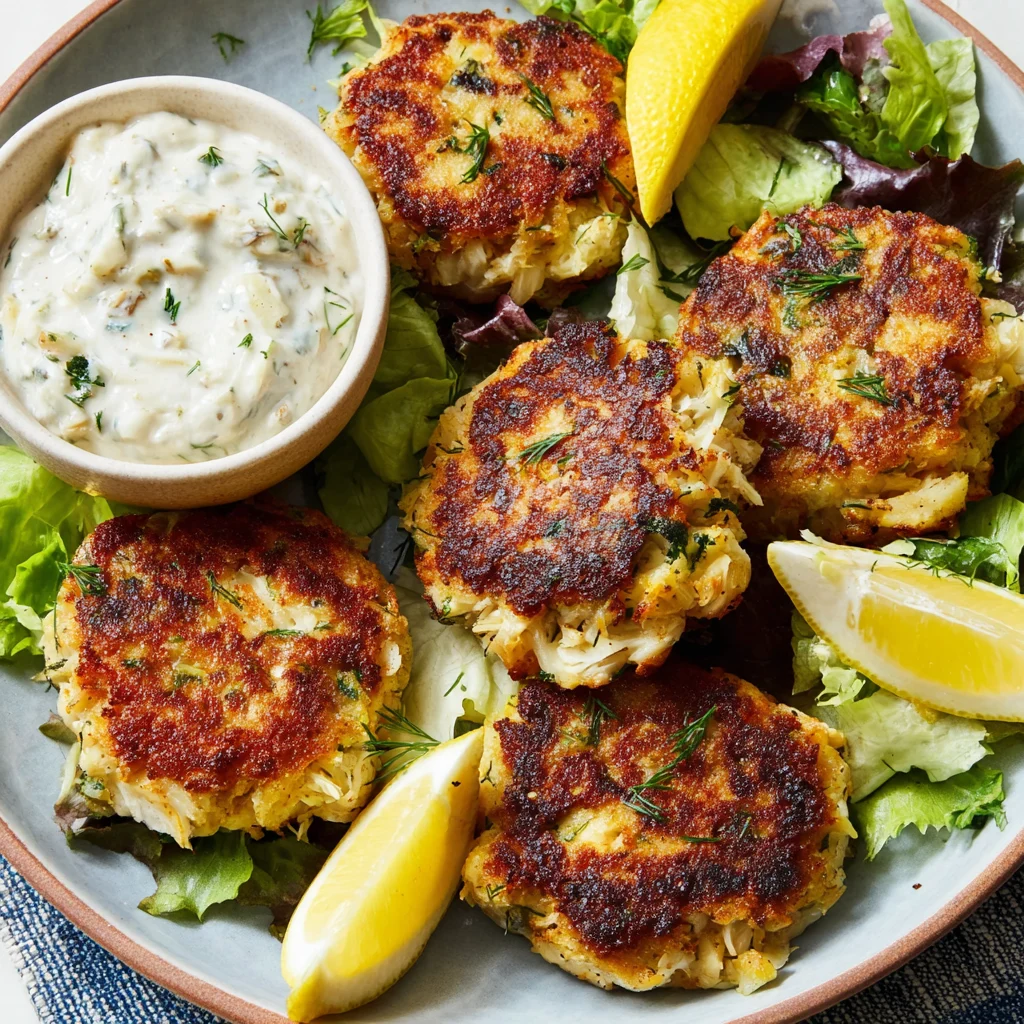
Each serving (1 crab cake) contains approximately 180-220 calories, depending on the cooking oil used. Crab meat is an excellent source of high-quality protein, providing about 20 grams per serving, along with essential minerals like zinc, copper, and selenium.
These crab cakes offer significant amounts of vitamin B12, which supports nerve function and red blood cell formation. The seafood also provides omega-3 fatty acids, which support heart and brain health. Since crab is naturally low in saturated fat, these cakes can fit well into a balanced diet when prepared as directed.
Keep in mind that nutritional values may vary based on the specific brands of ingredients used and any substitutions you make to accommodate dietary preferences.
Healthier Alternatives for the Recipe
Reduce Calories: Replace half the mayonnaise with plain Greek yogurt, or use a light mayonnaise to cut calories by about 30%. You can also bake the crab cakes at 425°F for 12-15 minutes instead of pan-frying, which eliminates the need for cooking oil.
Gluten-Free Option: Substitute the panko with finely crushed rice crackers, gluten-free breadcrumbs, or a mixture of almond flour and grated Parmesan cheese. The texture will be slightly different but equally delicious.
Lower Sodium Version: Use low-sodium Old Bay seasoning or create your own spice blend with paprika, celery seed, and a touch of garlic powder. Choose a low-sodium mayonnaise and reduce the added salt by half.
Plant-Based Alternative: While not traditional, you can create “crab” cakes using shredded hearts of palm or jackfruit mixed with chopped seaweed for oceanic flavor. Add a touch of lemon zest and seafood seasoning to enhance the maritime taste.
Serving Suggestions
Serve these golden beauties on a bed of mixed greens with a dollop of remoulade sauce or simple aioli on the side. The creamy, tangy sauce complements the sweet crab meat perfectly while adding visual appeal to your plate.
Classic Pairings: Consider serving alongside coleslaw, roasted asparagus, or garlic mashed potatoes. A crisp white wine like Sauvignon Blanc or Pinot Grigio enhances the delicate seafood flavors beautifully.
Casual Presentation: Transform these into sliders by serving on brioche buns with lettuce, tomato, and a spread of spicy mayo. This approach works wonderfully for parties or casual dining.
Elegant Plating: For special occasions, serve two smaller crab cakes per person with a small salad of baby arugula dressed in lemon vinaigrette, and garnish with microgreens and lemon wedges.
Common Mistakes to Avoid
Overmixing the Mixture: The biggest mistake is handling the crab meat too aggressively. Gentle folding preserves those beautiful lumps that make each bite special. Overmixing creates a dense, pasty texture that masks the crab’s natural appeal.
Skipping the Chilling Step: Rushing straight to cooking without chilling leads to crab cakes that fall apart in the pan. That 15-minute rest makes all the difference in achieving intact, professional-looking results.
Using Too Much Filler: Adding excessive breadcrumbs or other binding agents overwhelms the crab flavor. The goal is just enough to hold things together while letting the seafood star.
Cooking at Wrong Temperature: Too high heat burns the outside before the inside warms through, while too low heat creates soggy exteriors. Medium-high heat gives you that perfect golden crust with a heated-through center.
Storing Tips for the Recipe
Refrigerator Storage: Cooked crab cakes keep well in the refrigerator for up to 3 days when stored in an airtight container. Place parchment paper between layers to prevent sticking.
Freezing Instructions: Uncooked, shaped crab cakes freeze beautifully for up to 2 months. Place them on a baking sheet to freeze individually, then transfer to freezer bags. Cook directly from frozen, adding 2-3 extra minutes per side.
Reheating Methods: For best results, reheat cooked crab cakes in a 350°F oven for 8-10 minutes, which maintains the crispy exterior. Avoid microwaving, as it can make them soggy. A quick pan-warm in a dry skillet also works well.
Make-Ahead Strategy: The uncooked mixture can be prepared up to 24 hours in advance and kept covered in the refrigerator. Shape and cook just before serving for optimal texture and temperature.
Conclusion
These easy crab cakes prove that restaurant-quality dishes don’t require professional training or complicated techniques. With just a handful of quality ingredients and some gentle handling, you can create something truly spectacular that celebrates the sweet, delicate flavor of crab meat.
The beauty of this recipe lies in its flexibility – dress it up for special occasions or keep it casual for family dinners. Either way, you’re guaranteed golden, crispy exteriors giving way to tender, flavorful centers that will have everyone asking for the recipe.
Don’t hesitate to make these your own by adjusting the seasonings to your taste or trying some of the suggested variations. The most important thing is to enjoy the process and savor the incredible results. Give this recipe a try, and I’d love to hear about your experience and any creative twists you discover along the way!
FAQs
Can I use canned crab meat instead of fresh?
Absolutely! Just make sure to drain it thoroughly and pat it dry with paper towels before using. Look for lump or jumbo lump canned crab meat for the best texture and flavor.
What if my crab cake mixture seems too wet?
Add a tablespoon of panko breadcrumbs at a time until the mixture holds together when gently squeezed. Remember, it should be moist but not soggy – you want those cakes to hold their shape during cooking.
Can I bake these instead of pan-frying?
Yes! Bake at 425°F for 12-15 minutes, flipping once halfway through. While you won’t get quite the same golden crust as pan-frying, they’ll still be delicious and slightly lighter.
How do I know when the crab cakes are done cooking?
They should be golden brown on both sides and reach an internal temperature of 165°F. The exterior should feel firm to gentle pressure, and they should hold their shape when lifted with a spatula.
What’s the best way to remove shells from crab meat?
Spread the crab meat on a large plate and pick through it gently with your fingers, feeling for any hard pieces. Small shells are easier to spot under good lighting, so don’t rush this step.
Can I make mini crab cakes for appetizers?
Definitely! Divide the mixture into 12 smaller portions and reduce the cooking time to about 2-3 minutes per side. They make perfect party appetizers and cook more quickly than full-sized versions.