
Introduction
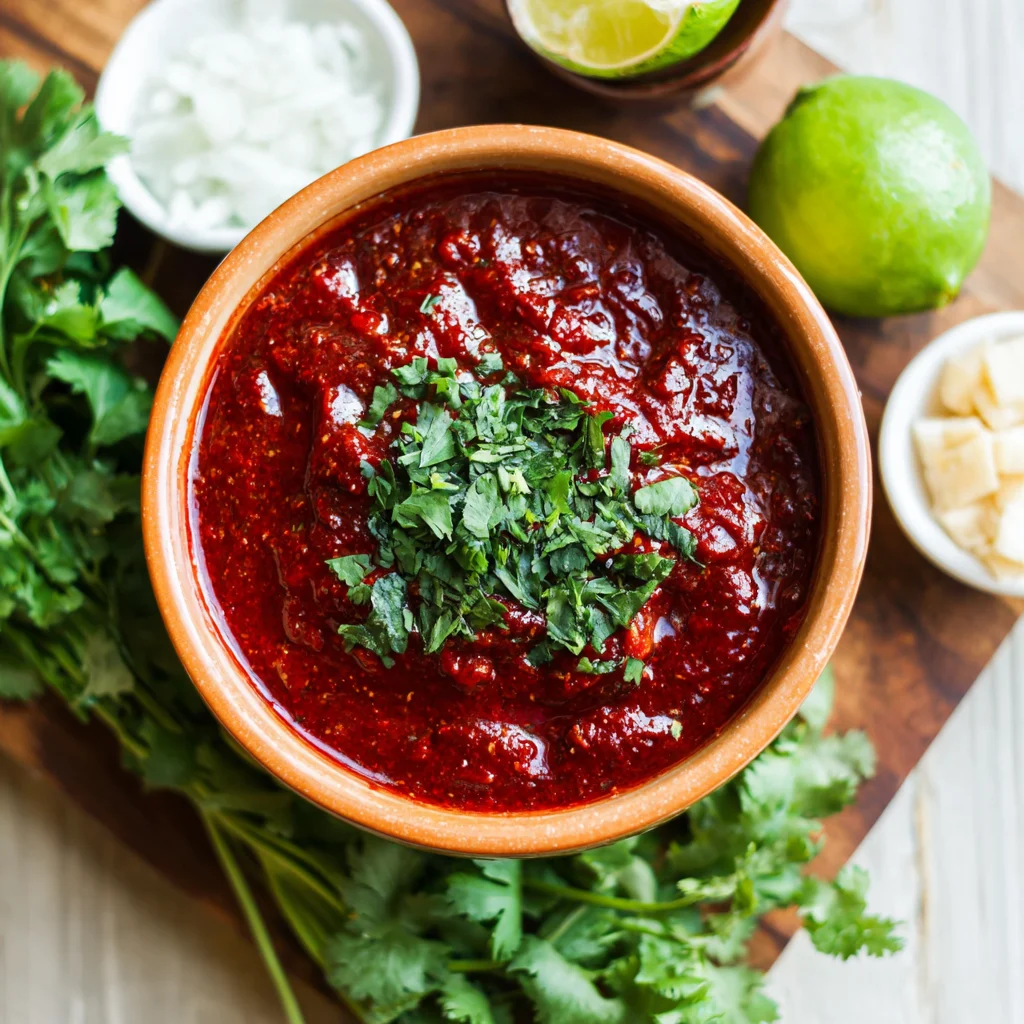
There’s something magical that happens when you make your first batch of homemade enchilada sauce. The moment that rich, smoky aroma fills your kitchen, you’ll understand why store-bought versions simply can’t compare. I discovered this years ago when my Mexican neighbor shared her grandmother’s technique, and I’ve never looked back since.
Creating your own enchilada sauce transforms any ordinary weeknight dinner into something extraordinary. This homemade enchilada sauce delivers deep, complex flavors with a perfect balance of warmth and spice that you can customize to your family’s taste preferences. The best part? It takes just 15 minutes to create something that tastes like it’s been simmering all day. Whether you’re planning a cozy family dinner or preparing for a weekend gathering, this authentic sauce will become your secret weapon for impressive Mexican cuisine that brings everyone to the table with anticipation.
Ingredients List
Base Ingredients
- 3 tablespoons vegetable oil (or olive oil for richer flavor)
- 3 tablespoons all-purpose flour
- 2 tablespoons chili powder (mild or medium, depending on preference)
- 1 teaspoon ground cumin
- 1/2 teaspoon garlic powder
- 1/4 teaspoon dried oregano
- 1/4 teaspoon smoked paprika
- 1/8 teaspoon ground cinnamon (the secret ingredient!)
Liquid Components
- 2 cups low-sodium chicken broth (or vegetable broth for vegetarian option)
- 1 tablespoon tomato paste
- 1 teaspoon apple cider vinegar
- Salt and black pepper to taste
Optional Enhancement
- 1/4 teaspoon cayenne pepper (for extra heat)
- 1 tablespoon dark chocolate chips (for authentic depth)
Substitution Suggestions
Gluten-free: Replace all-purpose flour with rice flour or cornstarch (use 2 tablespoons)
Oil-free: Use vegetable broth for sautéing instead of oil
Low-sodium: Choose no-salt-added broth and control seasoning yourself
Vegan: Ensure your chocolate chips are dairy-free
Timing
Preparation Time: 5 minutes
Cooking Time: 10 minutes
Total Time: 15 minutes
This lightning-fast timeline makes homemade enchilada sauce perfect for busy weeknights. While the sauce simmers, you can prep your enchilada fillings or warm your tortillas. The beauty of this timing is that everything comes together seamlessly – by the time you’ve assembled your enchiladas, the sauce will have reached the perfect consistency.
Make-ahead tip: This sauce actually improves in flavor when made a day ahead, so consider preparing it during weekend meal prep for an even easier weeknight dinner.
How to Make It
1. Create the Roux Base
Heat the oil in a medium saucepan over medium heat. Once shimmering, whisk in the flour and cook for about 1 minute, stirring constantly. This creates a roux that will thicken your sauce beautifully. The mixture should smell nutty and toasted – that’s your cue that the raw flour taste has cooked out.
2. Build the Spice Foundation
Add the chili powder, cumin, garlic powder, oregano, smoked paprika, and cinnamon to the roux. Whisk continuously for 30 seconds until the spices become fragrant and bloom in the oil. This step is crucial – you’ll actually see the spices darken slightly and smell their intensity increase.
3. Add the Liquid Gradually
Slowly pour in the chicken broth while whisking constantly to prevent lumps from forming. Start with just a splash, whisk until smooth, then gradually add the rest. Stir in the tomato paste and apple cider vinegar. The mixture will look thin initially, but don’t worry – it’s about to transform.
4. Simmer to Perfection
Bring the sauce to a gentle boil, then reduce heat to low and simmer for 6-8 minutes, stirring occasionally. Watch as it thickens to a beautiful, glossy consistency that coats the back of a spoon. Taste and adjust seasoning with salt, pepper, and cayenne if desired.
5. Final Touch
Remove from heat and stir in the chocolate chips if using – they’ll melt instantly and add incredible depth. Your sauce should be smooth, rich, and perfectly spoonable. If it seems too thick, whisk in a tablespoon of broth; if too thin, simmer another minute or two.
Nutritional Information
Per 1/4 cup serving (recipe makes about 2 cups):
- Calories: Approximately 45-50
- Fat: 3g
- Carbohydrates: 4g
- Protein: 1g
- Fiber: 1g
- Sodium: 200mg (varies with broth choice)
This homemade enchilada sauce provides beneficial antioxidants from the chili powder and spices, while being naturally lower in sodium and preservatives compared to canned versions. The spices contribute anti-inflammatory properties, particularly from cumin and paprika. Since you control every ingredient, you can adjust the nutritional profile to meet your family’s dietary needs.
Nutritional values are approximate and may vary based on specific ingredients used.
Healthier Alternatives for the Recipe
Lower Calorie Version: Replace the oil with vegetable broth for sautéing, reducing calories by about 30 per serving. The texture will be slightly thinner but still delicious.
Reduced Sodium Option: Use no-salt-added broth and increase the spices slightly to maintain flavor depth. Add salt gradually at the end to control sodium levels.
Whole Grain Alternative: Substitute whole wheat flour for all-purpose flour to add fiber and nutrients. The sauce will have a slightly nuttier flavor that complements the spices beautifully.
Keto-Friendly Adaptation: Replace flour with xanthan gum (use just 1/4 teaspoon) or omit thickener entirely for a thinner but still flavorful sauce.
Anti-Inflammatory Boost: Double the turmeric content and add a pinch of fresh grated ginger for additional anti-inflammatory benefits without compromising taste.
These modifications maintain the authentic flavor profile while accommodating various dietary preferences. The key is adjusting gradually and tasting as you go.
Serving Suggestions
This versatile sauce shines in numerous applications beyond traditional enchiladas. Pour it generously over cheese-filled enchiladas and bake until bubbly, or use it as a base for huevos rancheros with a perfectly runny egg on top.
Creative Applications:
- Drizzle over roasted vegetables for Mexican-inspired sides
- Use as a pizza sauce base for Mexican flatbreads
- Stir into scrambled eggs for elevated breakfast tacos
- Mix with shredded chicken for easy enchilada filling
Perfect Pairings: Serve alongside Mexican rice, refried beans, and fresh guacamole. A dollop of sour cream and sprinkle of fresh cilantro perfectly balance the sauce’s warmth.
Portion Guide: Plan for about 1/3 cup sauce per enchilada, with extra for serving. This recipe yields enough for 6-8 enchiladas with some left over for dipping.
Common Mistakes to Avoid
Lumpy Sauce Disaster: Always whisk the broth in gradually rather than dumping it all at once. If lumps do form, strain the sauce through a fine-mesh sieve or blend briefly with an immersion blender.
Burnt Spice Bitterness: Keep heat at medium when blooming spices. High heat will burn them quickly, creating an unpleasant bitter flavor that can’t be fixed.
Under-seasoned Results: Taste and adjust seasoning at the end. Different broths have varying salt levels, so your sauce might need more salt or spices to reach its full potential.
Wrong Consistency Issues: Too thick? Whisk in broth one tablespoon at a time. Too thin? Simmer uncovered for a few more minutes, or whisk in a slurry of 1 teaspoon cornstarch mixed with 1 tablespoon cold water.
Skipping the Roux: Don’t rush this step. A proper roux ensures smooth thickening and prevents separation when the sauce cools.
Storing Tips for the Recipe
Refrigerator Storage: Transfer cooled sauce to an airtight container and refrigerate for up to one week. The flavors actually deepen and improve after a day, making it perfect for meal prep.
Freezer Storage: Pour sauce into freezer-safe containers or ice cube trays for portion control. Frozen sauce keeps for up to three months. Ice cube portions are perfect for adding to individual servings.
Reheating Instructions: Warm gently in a saucepan over low heat, whisking occasionally. Add a splash of broth if the sauce has thickened too much during storage. Microwave reheating works too – use 30-second intervals, stirring between each.
Make-Ahead Strategy: Double the batch and freeze half for future enchilada nights. Having homemade sauce ready transforms weeknight cooking from chore to joy.
Container Tips: Glass containers work best as they don’t absorb flavors and make reheating easy. Leave some headspace if freezing to allow for expansion.
Conclusion
This homemade enchilada sauce recipe proves that authentic, restaurant-quality flavor doesn’t require complicated techniques or hard-to-find ingredients. In just 15 minutes, you’ll create a sauce that elevates any Mexican dish from ordinary to extraordinary. The beauty lies in its simplicity and the control you have over every flavor note.
Once you taste the difference homemade makes, you’ll find yourself reaching for this recipe again and again. It’s become a staple in my kitchen, and I’m confident it will become one in yours too. The rich, complex flavors and perfect consistency make every enchilada night feel special.
Give this recipe a try this week – your family will notice the difference immediately. Don’t forget to share your variations and experiences! For more delicious inspiration, check out my recipe collection on Pinterest.
FAQs
Can I make this sauce spicier?
Absolutely! Add cayenne pepper gradually, starting with 1/8 teaspoon. You can also substitute hot chili powder for mild, or add a minced jalapeño when blooming the spices.
Why does my sauce taste bland?
This usually means you need more salt or the spices weren’t bloomed properly. Make sure to cook the spices in oil for 30 seconds until fragrant, and always taste and adjust seasoning at the end.
Can I use water instead of broth?
While possible, broth adds significant depth and richness to the sauce. If using water, increase the salt and consider adding a bouillon cube for more flavor.
How do I fix a sauce that’s too salty?
Add a small amount of sugar or honey to balance the saltiness. You can also dilute with unsalted broth or water and adjust other seasonings accordingly.
Is this sauce gluten-free?
Not as written, due to the all-purpose flour. However, you can easily substitute rice flour, cornstarch, or certified gluten-free flour blend for the same thickening effect.
Can I double this recipe?
Yes! This recipe doubles beautifully. Just use a larger saucepan and extend the simmering time by 2-3 minutes to ensure proper thickening.