
How to Make Latte at Home Like a Professional Barista
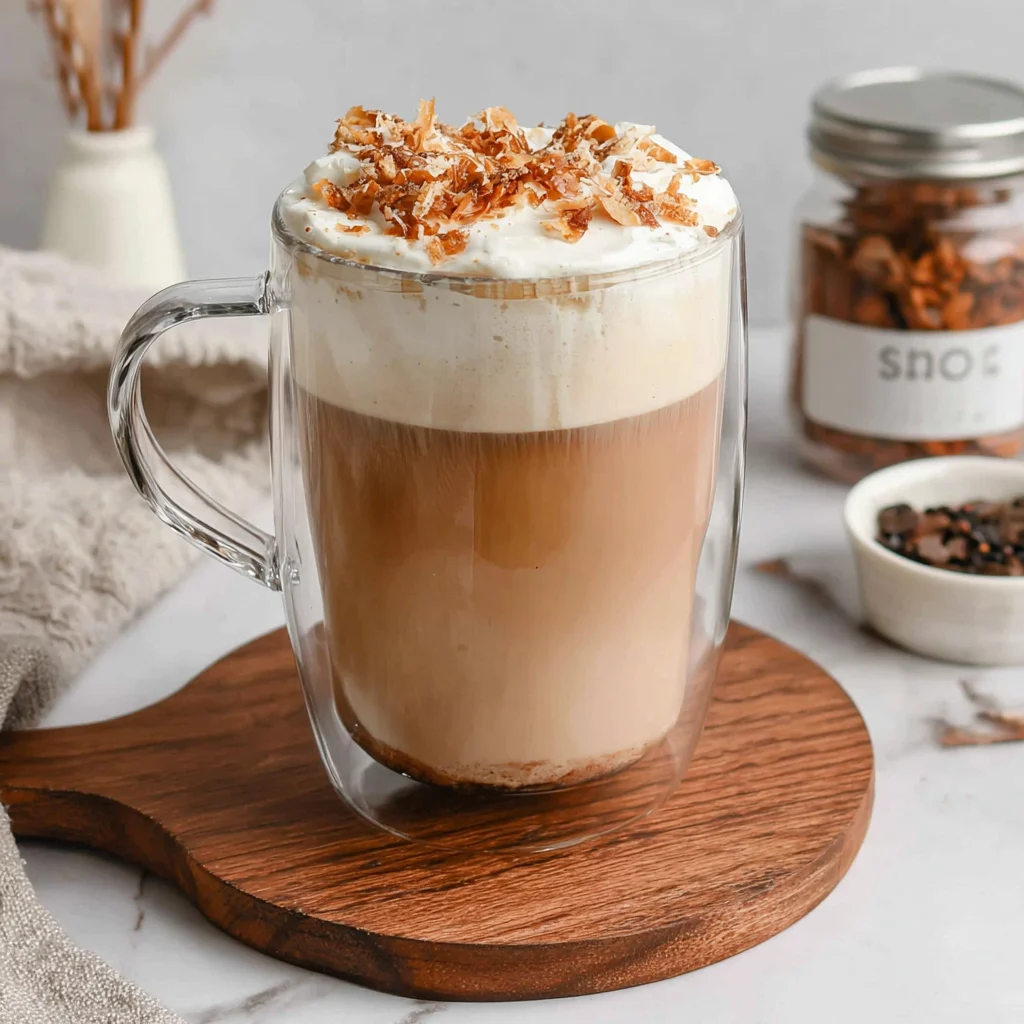
Mastering how to make latte at home transforms your daily coffee ritual into something truly special. The perfect balance of rich espresso and silky steamed milk creates a café-quality experience right in your kitchen. This homemade version rivals any coffee shop creation, offering the same velvety texture and robust flavor that makes lattes so irresistible.
Ingredients
- 2 shots freshly brewed espresso (or ½ cup strong coffee)
- 6 oz whole milk
- 1 tablespoon sugar or sweetener (optional)
- Pinch of cinnamon for dusting (optional)
Substitutions: Use 2% milk or oat milk for lighter options. Almond milk works well but may not froth as thick. Replace espresso with 3 tablespoons instant coffee mixed with 3 tablespoons hot water.
Timing
- Prep time: 2 minutes
- Cook time: 5 minutes
- Total time: 7 minutes
Time-saving tip: Brew your espresso first, then steam milk while it stays warm. Keep your mug preheated with hot water for the best temperature retention.
How to Make It
1. Brew the Perfect Espresso
Start by brewing two shots of espresso using your espresso machine or stovetop moka pot. The espresso should have a rich, golden crema on top and smell intensely aromatic. If using regular coffee, make it twice as strong as usual – this concentrated base ensures your latte won’t taste watered down when mixed with milk.
2. Heat and Steam the Milk
Pour cold milk into a steaming pitcher or small saucepan. Using a steam wand, position it just below the milk’s surface and turn on full steam. You’ll hear a paper-tearing sound as the milk begins to froth. Keep the wand near the surface for the first 15 seconds to create microfoam, then plunge deeper to heat the milk to 150-160°F.
3. Create Silky Microfoam
Without a steam wand, heat milk in a saucepan over medium heat until steaming but not boiling. Transfer to a French press and pump the plunger vigorously for 30 seconds to create foam. Alternatively, use a milk frother or shake heated milk in a jar for similar results. The texture should be creamy and velvety, not stiff like whipped cream.
4. Perfect the Pour
Pour the espresso into your warmed mug. Hold the milk pitcher high and pour steadily into the center of the espresso, allowing the crema to rise. As the cup fills, bring the pitcher closer to the surface and pour more slowly. This technique creates beautiful layering and ensures proper milk-to-coffee ratio.
5. Final Touches
Gently tap the mug on the counter to settle the layers. The finished latte should have a beautiful caramel-colored surface with a thin layer of microfoam on top. Dust lightly with cinnamon if desired, and serve immediately while hot.
Nutritional Information
Each serving contains approximately 150 calories, 8g fat, 12g carbohydrates, 8g protein, and 12g natural sugars from milk. Using low-fat milk reduces calories to about 110 per serving.
Serving Suggestions
Pair your homemade latte with buttery croissants, almond biscotti, or cinnamon coffee cake. Fresh fruit like berries or a simple breakfast pastry complement the rich coffee flavors beautifully.

Common Mistakes to Avoid
Don’t overheat the milk beyond 160°F, as it becomes bitter and loses sweetness. Avoid creating stiff foam instead of creamy microfoam – keep the steam wand moving gently. Never use weak coffee as your base; lattes need strong espresso to balance the milk. Don’t pour too quickly, which creates separation instead of smooth integration.
Storing Tips
Lattes are best enjoyed immediately and don’t store well once prepared. However, you can refrigerate unused steamed milk for up to two days and reheat gently. Reheat by steaming again or warming slowly on the stovetop.
Conclusion
This foolproof recipe delivers coffeehouse-quality lattes every time. With practice, your homemade lattes will become the highlight of your morning routine, saving money while satisfying your coffee cravings perfectly.
FAQs
Can I make latte without an espresso machine?
Yes, use a moka pot, French press with finely ground coffee, or strong instant coffee as your base.
Why isn’t my milk foaming properly?
Ensure your milk is cold when starting, and use whole milk for best results. Non-dairy milks may require special barista versions for proper foaming.
How do I get latte art patterns?
Master the basic pour first, then practice creating hearts and leaves by controlling your pour speed and pitcher angle while finishing the design with quick wrist movements.
What’s the difference between a latte and cappuccino?
Lattes contain more steamed milk and less foam than cappuccinos, creating a smoother, milkier drink with a more subtle coffee flavor.
Can I make lattes ahead of time?
Lattes don’t keep well once mixed, but you can prepare components separately and combine when ready to serve. For more coffee inspiration, check out our recipe collection.
How to Make Latte at Home Like a Professional Barista
Ingredients
Method
- Brew two shots of espresso using your espresso machine or stovetop moka pot. The espresso should have a rich, golden crema on top. If using regular coffee, make it twice as strong as usual.
- Pour cold milk into a steaming pitcher or small saucepan. Using a steam wand, position it just below the milk's surface and turn on full steam. Keep the wand near the surface for the first 15 seconds to create microfoam, then plunge deeper to heat the milk to 150-160°F.
- Without a steam wand, heat milk in a saucepan over medium heat until steaming but not boiling. Transfer to a French press and pump the plunger vigorously for 30 seconds to create foam. The texture should be creamy and velvety, not stiff.
- Pour the espresso into your warmed mug. Hold the milk pitcher high and pour steadily into the center of the espresso. As the cup fills, bring the pitcher closer to the surface and pour more slowly.
- Gently tap the mug on the counter to settle the layers. Dust lightly with cinnamon if desired, and serve immediately while hot.