
Introduction
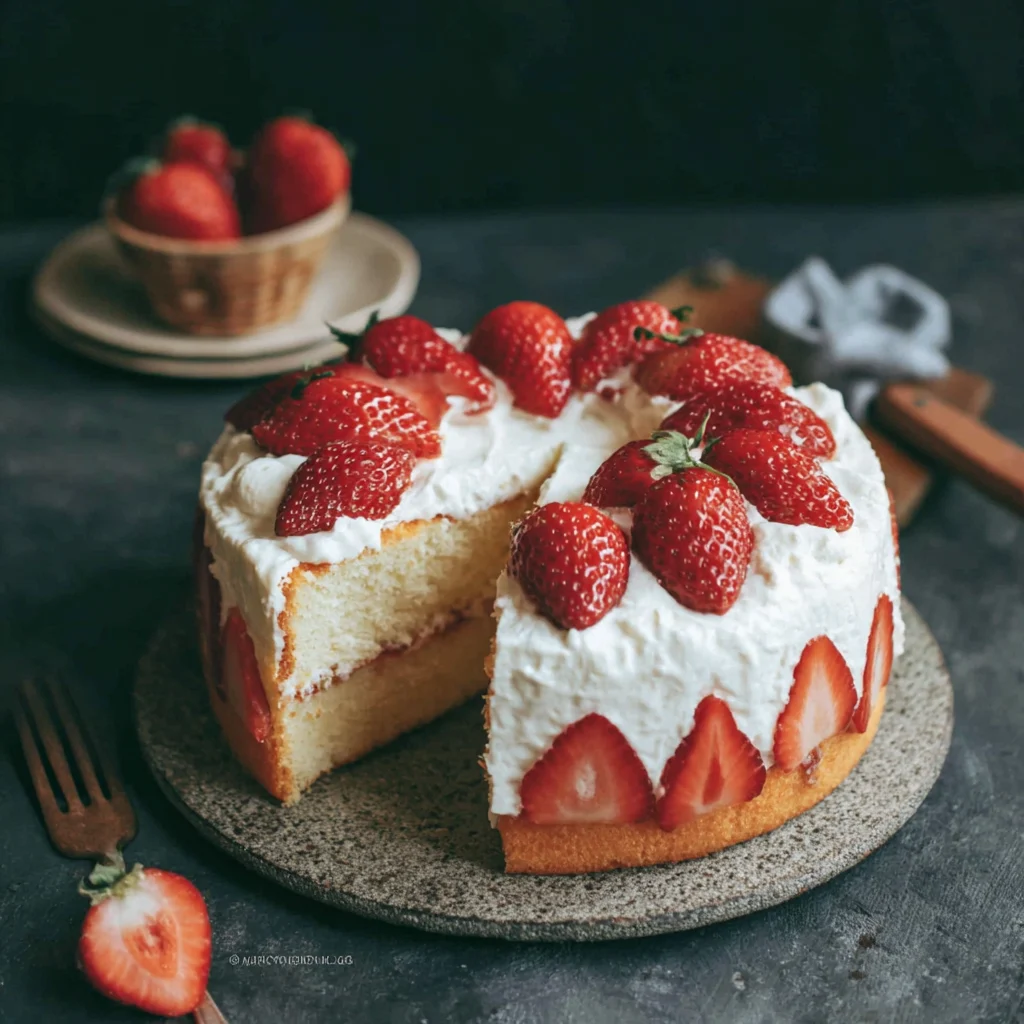
There's something absolutely magical about walking into a Japanese bakery and seeing those pristine, cloud-like Japanese Strawberry Cake displays behind the glass counter. The moment I first tasted this delicate creation – with its impossibly light sponge cake, billowy whipped cream, and perfectly sweet strawberries – I knew I had to master it at home.
This Japanese Strawberry Cake, known as "Ichigo no Shortcake" in Japan, represents the epitome of Japanese precision and elegance in baking. Unlike its heavier Western counterparts, this cake celebrates subtlety and balance. The sponge is so tender it practically melts on your tongue, while the fresh whipped cream provides just enough richness without overwhelming the delicate strawberry flavor.
What makes this recipe truly special is its simplicity – Japanese baking philosophy focuses on perfecting basic techniques rather than complex flavor combinations. The result is a cake that looks stunning yet feels achievable, making it perfect for celebrations or whenever you want to create something truly memorable in your kitchen.
Ingredients List
For the Sponge Cake:
- 4 large eggs, room temperature
- ⅔ cup (130g) granulated sugar
- 1 cup (120g) cake flour, sifted twice
- 3 tablespoons (45g) unsalted butter, melted and slightly cooled
- 2 tablespoons whole milk
- 1 teaspoon vanilla extract
For the Whipped Cream:
- 2 cups (480ml) heavy whipping cream, cold
- 3 tablespoons powdered sugar
- 1 teaspoon vanilla extract
For Assembly:
- 1 pound fresh strawberries, hulled
- 2 tablespoons granulated sugar (for macerating strawberries)
Substitution Options:
For gluten-free needs, substitute cake flour with a blend of rice flour and potato starch. Those avoiding dairy can use coconut cream (chilled overnight) and vegan butter, though the texture will be slightly denser. For a lighter version, you can fold in some of the whipped cream with Greek yogurt, maintaining that signature Japanese delicacy.
Timing
Total Time: 2 hours 30 minutes (including chilling)
- Prep Time: 45 minutes
- Baking Time: 25-30 minutes
- Assembly Time: 20 minutes
- Chilling Time: 1 hour minimum
Time-Saving Tips:
Prepare your strawberries first and let them macerate while you work on the cake. The sponge can be baked a day ahead and wrapped tightly. For best results, assemble the cake at least 2 hours before serving to allow the flavors to meld beautifully. The waiting time is actually your friend here – it transforms good cake into extraordinary cake.
How to Make It
1. Prepare the Strawberries
Slice your strawberries into ¼-inch pieces, saving the most beautiful ones for decoration. Toss with granulated sugar and let them macerate for 30 minutes. This creates a lovely syrup that will flavor your cake layers while keeping the berries perfectly sweet.
2. Make the Sponge Cake
Preheat your oven to 340°F (170°C) and line two 8-inch round pans with parchment. In a large bowl, whisk eggs and sugar until the mixture becomes pale and thick – about 8 minutes with an electric mixer. The ribbon test works perfectly here: when you lift the whisk, the batter should fall in ribbons that hold their shape briefly.
3. Fold in the Flour
Sift your cake flour directly over the egg mixture in three additions, folding gently with a spatula after each addition. The key is to maintain all that beautiful air you just whipped in. Combine the melted butter, milk, and vanilla, then fold this mixture in until just combined.
4. Bake to Perfection
Divide batter between prepared pans and bake for 25-30 minutes, until the tops spring back when lightly touched. The cakes should pull slightly from the sides. Cool completely in pans for 10 minutes, then turn out onto wire racks.
5. Whip the Cream
Using chilled bowl and beaters, whip the heavy cream with powdered sugar and vanilla until soft peaks form. Don't overwhip – Japanese whipped cream should be silky and spreadable, not stiff.
6. Assemble Your Masterpiece
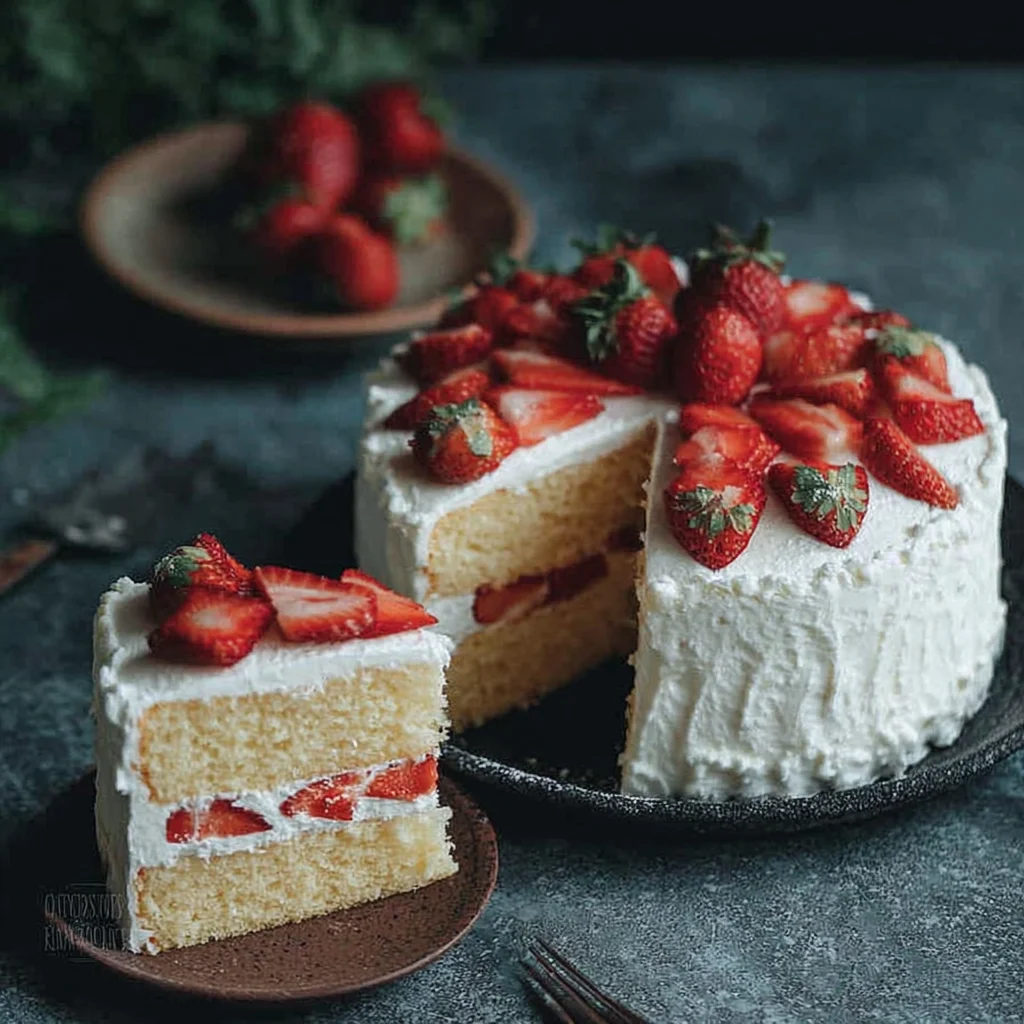
Place one cake layer on your serving plate. Spread half the whipped cream evenly, leaving a small border. Arrange the macerated strawberries over the cream, then top with the second layer. Frost the entire cake with remaining cream, creating smooth, clean lines that showcase that signature Japanese elegance.
Nutritional Information
Each slice of this Japanese Strawberry Cake contains approximately:
- Calories: 285
- Protein: 5g
- Carbohydrates: 32g
- Fat: 16g
- Fiber: 2g
- Vitamin C: 15% daily value (from strawberries)
This cake provides a good source of vitamin C from fresh strawberries, along with calcium from the dairy ingredients. The eggs contribute high-quality protein and essential amino acids. While this is certainly a special occasion treat, the use of fresh fruit and moderate sugar levels makes it lighter than many traditional layer cakes. Nutritional values may vary based on specific ingredients and portion sizes.
Healthier Alternatives for the Recipe
Transform this classic into a lighter version by substituting half the heavy cream with stabilized Greek yogurt whipped with a touch of honey. For gluten-free friends, almond flour combined with tapioca starch creates a wonderfully tender crumb, though you'll want to add an extra egg white for structure.
Reduce the sugar by up to one-third in both the cake and cream – the natural sweetness of ripe strawberries will compensate beautifully. For a dairy-free version, coconut cream (the thick part from a chilled can) whips surprisingly well, though it will add a subtle tropical note.
You can also make individual portion cakes using muffin tins, which naturally helps with portion control while creating Instagram-worthy personal desserts.
Serving Suggestions
Present your Japanese Strawberry Cake on a simple white cake stand to let its natural beauty shine. Garnish with whole strawberries and perhaps a light dusting of powdered sugar just before serving.
This cake pairs wonderfully with green tea, coffee, or even champagne for celebrations. For special occasions, consider adding a drizzle of strawberry coulis around each plate. The cake is substantial enough to stand alone as dessert but elegant enough to be the centerpiece of any gathering.
Serve chilled, and cut with a sharp knife wiped clean between slices to maintain those pristine layers that make Japanese cakes so visually stunning.
Common Mistakes to Avoid
The biggest mistake is overbeating either the eggs or the cream. Japanese sponge relies on gentle folding to maintain its ethereal texture – aggressive mixing will result in a dense, tough cake. Always fold flour in gradually and stop as soon as it's incorporated.
Another common error is using strawberries that are too wet or not letting them macerate properly. Pat them dry after macerating to prevent soggy cake layers.
Don't skip the cooling time – assembling with warm cake layers will melt your cream and create a messy disaster instead of clean, beautiful layers.
Finally, resist the urge to over-decorate. The beauty of Japanese Strawberry Cake lies in its minimalist elegance and perfect technique.
Storing Tips for the Recipe
Store your completed Japanese Strawberry Cake in the refrigerator, covered loosely with plastic wrap or in a cake carrier. It will stay fresh for up to 3 days, though it's absolutely best within 24 hours of assembly.
The sponge layers can be baked ahead and frozen for up to one month when wrapped tightly in plastic wrap and foil. Thaw at room temperature before assembling.
Never freeze the assembled cake, as the cream and strawberries don't handle freezing well. For best texture, remove from refrigerator 15 minutes before serving to allow the cream to soften slightly.
If you have leftover cake, individual slices can be wrapped and refrigerated for easy grab-and-go treats.
Conclusion
This Japanese Strawberry Cake represents everything beautiful about Japanese baking – precision, balance, and the celebration of simple, high-quality ingredients. While it requires attention to technique, each step builds your confidence and skills as a baker.
The reward is a stunning dessert that tastes as incredible as it looks. Every bite delivers that perfect harmony of delicate sponge, silky cream, and sweet strawberries that makes this cake so beloved worldwide.
I encourage you to take your time with this recipe and enjoy the meditative process of creating something truly special. Once you master these techniques, you'll find yourself returning to this recipe again and again, and your friends and family will be asking for it by name.
FAQs
Can I make this cake without a stand mixer?
Absolutely! A handheld electric mixer works perfectly for both the sponge and whipped cream. Just be patient with the egg-whipping stage and ensure your bowl is completely clean and grease-free.
What if my strawberries aren't perfectly sweet?
This is where the macerating step becomes crucial. Let them sit with sugar for up to an hour, and they'll develop their own sweet syrup. You can also add a tablespoon of strawberry jam to boost the flavor.
How do I prevent my cake layers from doming?
Bake at the lower temperature specified (340°F) and avoid opening the oven door during the first 20 minutes. Properly beaten eggs and gentle folding also help create even layers.
Can I make this cake in different sizes?
Yes! Use the same batter for cupcakes (bake 15-18 minutes) or a single 9-inch layer (bake 35-40 minutes). Adjust the cream and strawberries proportionally.
Why is my whipped cream not holding its shape?
Make sure your cream, bowl, and beaters are all very cold. Heavy cream should have at least 35% fat content. If your kitchen is warm, chill everything for 30 minutes before whipping.
How far ahead can I assemble this cake?
The cake actually improves with 2-4 hours of chilling time, allowing the flavors to meld. Don't assemble more than 24 hours ahead, as the strawberries will release too much moisture and make the cake soggy.