
For the introduction, avoid using the exact phrase "Lembas Bread Recipe." Instead, use creative variations like "this Lembas bread," "these magical loaves," "this elvish treat," or "this iconic recipe." Only use the exact focus keyword when it feels completely natural in the text flow.
Introduction
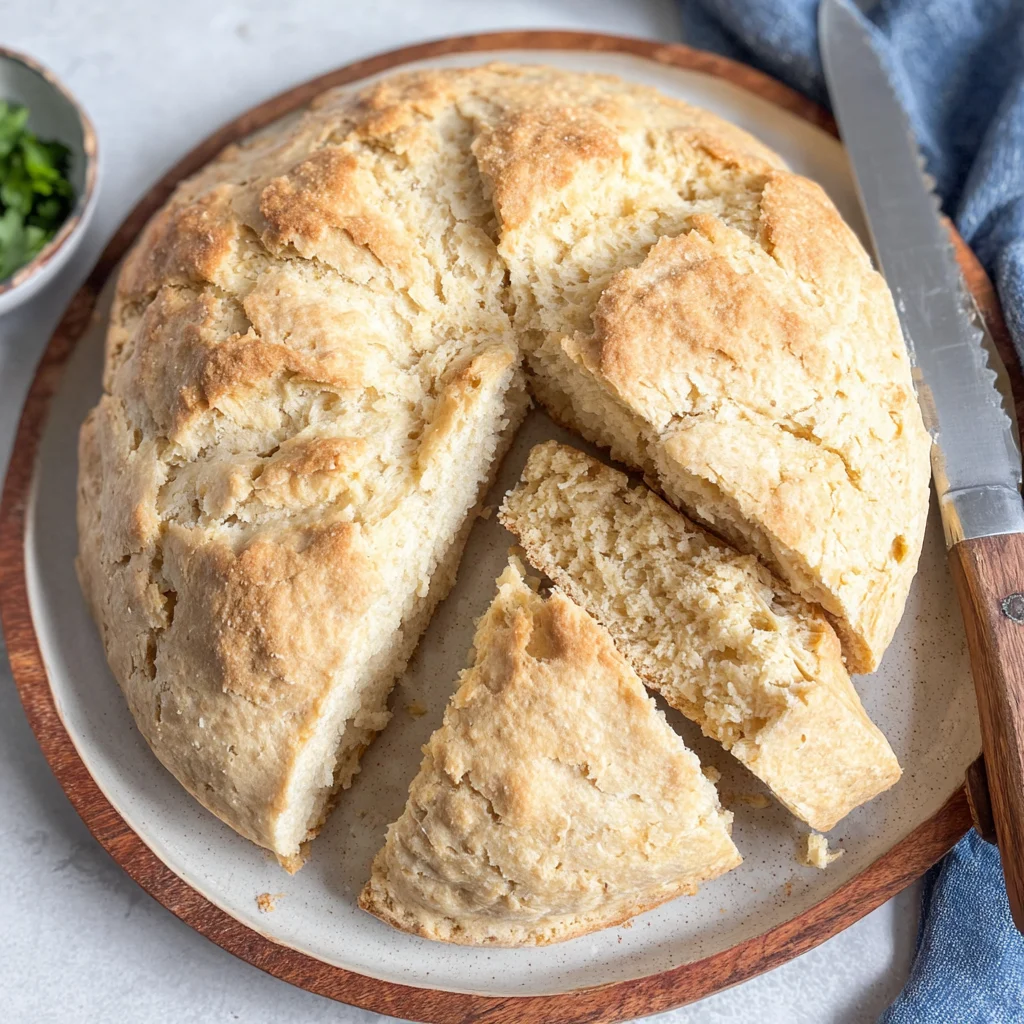
There's something truly magical about creating your own version of Middle-earth's most famous sustaining bread right in your kitchen. This iconic elvish treat has captured the imagination of Lord of the Rings fans worldwide, and for good reason. While Tolkien described lembas as a mysteriously nourishing waybread that could sustain travelers for days, this homemade interpretation brings those fantasy flavors to life with real ingredients you can actually pronounce.
Drawing inspiration from the rich, honey-sweetened, seed-studded breads that might have graced ancient tables, this magical loaf combines the hearty satisfaction of whole grains with delicate floral notes and a tender crumb that practically melts in your mouth. The beauty of this elvish treat lies not just in its literary connection, but in how it transforms simple pantry staples into something genuinely special – perfect for your next adventure, whether that's a hiking trip or simply enjoying afternoon tea while reading your favorite fantasy novel.
Ingredients List
Base Ingredients:
- 2 cups all-purpose flour (or bread flour for extra chewiness)
- 1 cup whole wheat flour
- 1/2 cup rolled oats, finely ground
- 1 packet (2 1/4 teaspoons) active dry yeast
- 1 teaspoon salt
- 1 tablespoon sugar
Liquid Ingredients:
- 3/4 cup warm water (110°F)
- 1/3 cup honey (wildflower honey works beautifully)
- 3 tablespoons melted butter or olive oil
- 1 large egg, beaten
Flavor Enhancers:
- 1/4 cup chopped almonds or walnuts
- 2 tablespoons sesame seeds
- 1 tablespoon poppy seeds
- 1 teaspoon dried lavender buds (food-grade, optional but magical)
- Zest of 1 lemon
Substitution Suggestions:
For gluten-free adventures, substitute with a 1:1 gluten-free flour blend and add 1 teaspoon xanthan gum. Vegans can replace the egg with a flax egg (1 tablespoon ground flaxseed mixed with 3 tablespoons water) and use maple syrup instead of honey. Those avoiding nuts can double the seeds for extra crunch.
Timing
Total Time: 4 hours (including rising time)
Active Preparation: 20 minutes
First Rise: 1.5 hours
Shaping and Final Rise: 45 minutes
Baking Time: 30-35 minutes
Cooling: 45 minutes
Time-Saving Tips:
Start this bread in the morning for fresh afternoon loaves, or begin the process after lunch for dinner accompaniment. The first rise happens beautifully in a sunny window, and you can prep your seeds and nuts while waiting. The dough can be refrigerated after the first rise for up to 24 hours – just let it come to room temperature before shaping.
How to Make It
1. Activate the Yeast Magic
Combine warm water, sugar, and yeast in a large mixing bowl. Let this mixture foam up for about 5-10 minutes – it should look like cappuccino foam when ready. This step ensures your bread will have that perfect, airy texture that makes each bite satisfying yet light.
2. Build the Dough Foundation
Whisk together both flours, ground oats, and salt in a separate bowl. Create a well in the center and pour in your foamy yeast mixture, honey, melted butter, and beaten egg. Stir with a wooden spoon until a shaggy dough forms – it might look messy at first, but trust the process.
3. Knead in the Character
Turn the dough onto a lightly floured surface and knead for 8-10 minutes until smooth and elastic. Work in the chopped nuts, seeds, and lemon zest during the last few minutes of kneading. The dough should feel soft and slightly tacky, but not sticky enough to cling to your hands.
4. First Rise Adventure
Place the dough in an oiled bowl, cover with a damp kitchen towel, and let rise in a warm spot for 1.5 hours or until doubled in size. The dough is ready when you can poke it gently and the indentation springs back slowly.
5. Shape Your Elvish Loaves
Punch down the risen dough and divide into 6-8 portions for individual cakes or shape into one large loaf. For authentic lembas appearance, form each portion into an oval flatbread about 1/2 inch thick. Place on parchment-lined baking sheets.
6. Final Rise and Prep
Cover shaped loaves and let rise for 45 minutes. Preheat your oven to 375°F during the last 15 minutes. Brush tops with beaten egg or melted butter for golden color, and score with a sharp knife in a decorative pattern.
7. Bake to Golden Perfection
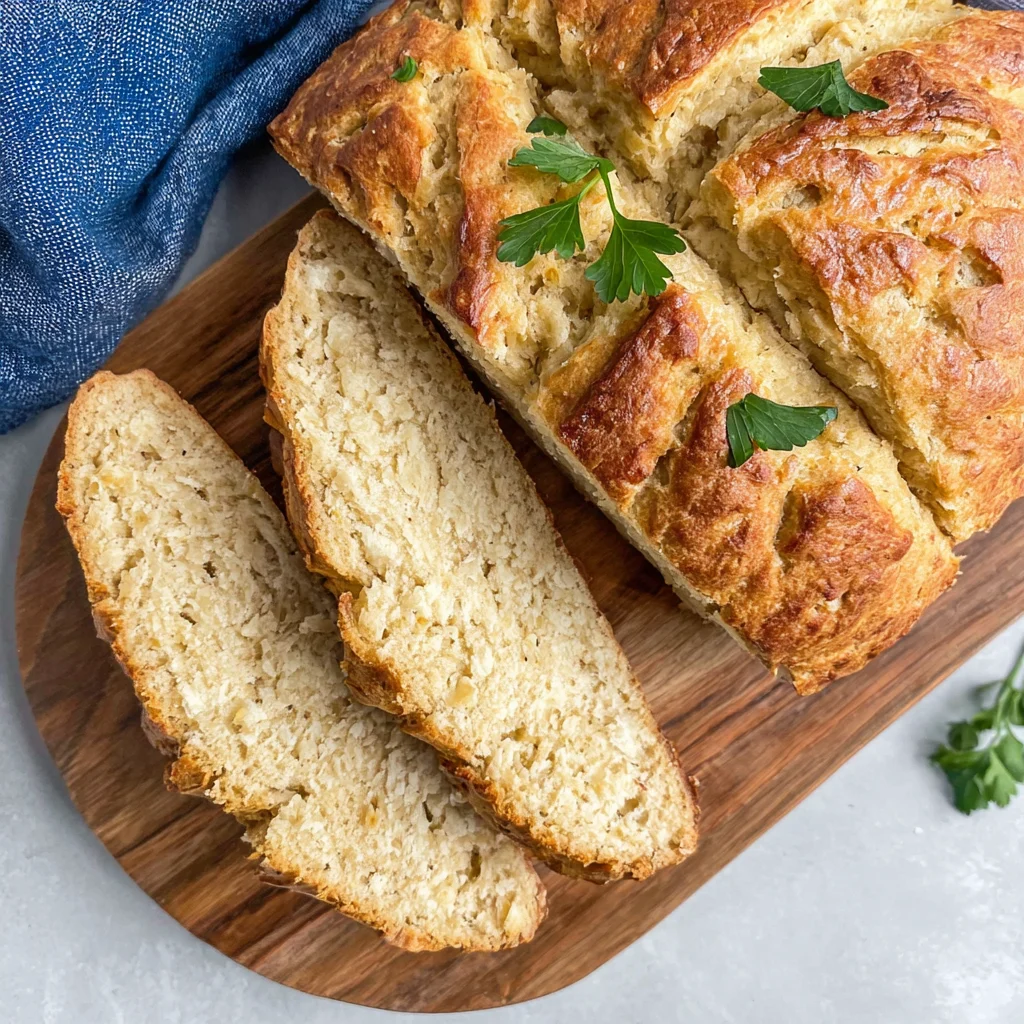
Bake for 30-35 minutes until golden brown and hollow-sounding when tapped. Individual cakes will finish closer to 20-25 minutes. Cool on wire racks for at least 45 minutes before slicing – the texture improves as it cools.
Nutritional Information
Each serving of this nourishing bread provides approximately 220 calories, with a balanced combination of complex carbohydrates from the mixed flours and oats, healthy fats from nuts and seeds, and quality protein from the egg and whole grains.
The honey contributes natural sweetness along with trace minerals, while the nuts and seeds provide beneficial omega-3 fatty acids and vitamin E. The combination of white and whole wheat flour offers both texture appeal and fiber content, making this bread genuinely satisfying – perfect for sustaining energy during long adventures or busy days.
The oats add beta-glucan fiber, which supports heart health, and the optional lavender provides natural aromatherapy benefits. Since nutritional values can vary based on specific ingredients and portion sizes, these estimates should be considered approximate.
Healthier Alternatives for the Recipe
Transform this recipe into a lighter version by replacing half the all-purpose flour with almond flour and using coconut oil instead of butter. For a completely whole grain approach, substitute the all-purpose flour with whole wheat pastry flour or spelt flour for a nuttier flavor profile.
Reduce the honey by half and add unsweetened applesauce for natural sweetness with fewer calories. Those following low-carb lifestyles can experiment with a combination of almond flour, coconut flour, and ground flaxseed, though the texture will be denser and more cake-like.
For extra protein power, add a scoop of unflavored protein powder and increase the liquid slightly. Greek yogurt can replace some of the butter for tanginess and probiotics, while chia seeds soaked in water create an excellent egg substitute that adds omega-3s.
Serving Suggestions
Present these golden loaves wrapped in clean linen cloths for an authentic Middle-earth experience, or arrange on wooden boards with honey butter, aged cheese, and fresh fruit. The bread pairs beautifully with herbal teas, particularly chamomile or mint blends that complement the delicate flavors.
For breakfast adventures, toast slices lightly and top with almond butter and sliced pears, or serve alongside soft-boiled eggs and fresh herbs. The bread makes an excellent base for open-faced sandwiches with cream cheese, cucumber, and smoked salmon.
During colder months, serve warm with mulled cider or hot chocolate. For special gatherings, create a fantasy feast by pairing with roasted root vegetables, hearty stews, and other medieval-inspired dishes that transport your guests to another realm.
Common Mistakes to Avoid
The most frequent issue occurs when the water temperature for activating yeast is too hot, which kills the yeast and prevents rising. Test water temperature on your wrist – it should feel comfortably warm, like a baby's bath. If your yeast doesn't foam, start over with fresh yeast and properly tempered water.
Avoid adding too much flour during kneading, which creates dense, heavy bread. The dough should remain slightly tacky – resist the urge to keep adding flour. Over-kneading can also develop too much gluten, resulting in tough bread rather than the tender crumb you're seeking.
Don't skip the cooling period after baking. Cutting into hot bread creates gummy texture and compressed crumbs. Patience during cooling allows the interior structure to set properly, giving you clean slices and optimal texture.
Storing Tips for the Recipe
Fresh baked bread keeps beautifully at room temperature for 3-4 days when wrapped in clean kitchen towels or stored in paper bags that allow air circulation. Avoid plastic bags for room temperature storage, as they trap moisture and create soggy crusts.
For longer storage, slice the bread and freeze portions in airtight containers for up to three months. Individual slices can be toasted directly from frozen, making quick breakfasts effortless. Thaw larger portions at room temperature for 2-3 hours.
Refrigeration isn't recommended for this bread, as it accelerates staling. However, if your kitchen is particularly warm or humid, refrigerated storage for 1-2 days won't hurt. Refresh day-old bread by warming in a 300°F oven for 5-10 minutes to restore crusty exterior and soft interior.
Conclusion
This enchanting bread brings a touch of Middle-earth magic to your kitchen while creating something genuinely delicious and nourishing. The combination of wholesome ingredients, subtle sweetness, and satisfying texture makes it perfect for both everyday meals and special occasions that call for something extraordinary.
Whether you're planning your own adventure or simply want to enjoy a slice of fantasy with your morning tea, this bread delivers on both flavor and imagination. The recipe is forgiving enough for beginning bakers yet interesting enough to satisfy experienced bread makers seeking something new.
I encourage you to make this recipe your own by experimenting with different nuts, seeds, or spices that speak to your taste preferences. Share your creations and variations – there's something wonderful about connecting with others through the universal joy of fresh, homemade bread.
FAQs
Can I make this bread without a stand mixer?
Absolutely! This recipe is designed for hand mixing and kneading. The process actually becomes quite meditative, and many bakers prefer the hands-on connection with their dough.
What if I don't have whole wheat flour?
You can substitute with all-purpose flour, though the bread will be slightly less hearty. Alternatively, try spelt flour, white whole wheat flour, or even oat flour for different flavor profiles.
How do I know if my yeast is still good?
Test yeast by dissolving it in warm water with a pinch of sugar. If it doesn't foam within 10 minutes, it's likely expired. Store yeast in the refrigerator or freezer for longest shelf life.
Can I add other ingredients like dried fruit?
Certainly! Dried cranberries, chopped dates, or raisins work wonderfully. Add them during the final minutes of kneading to prevent them from breaking apart.
Why is my bread dense instead of light?
Dense bread usually results from expired yeast, water that's too hot, or insufficient rising time. Make sure your rising environment is warm (75-80°F) and draft-free for best results.
Can I make this recipe gluten-free?
Yes, but expect different texture. Use a quality gluten-free flour blend with xanthan gum, increase the liquid slightly, and be patient with longer rising times.