Introduction
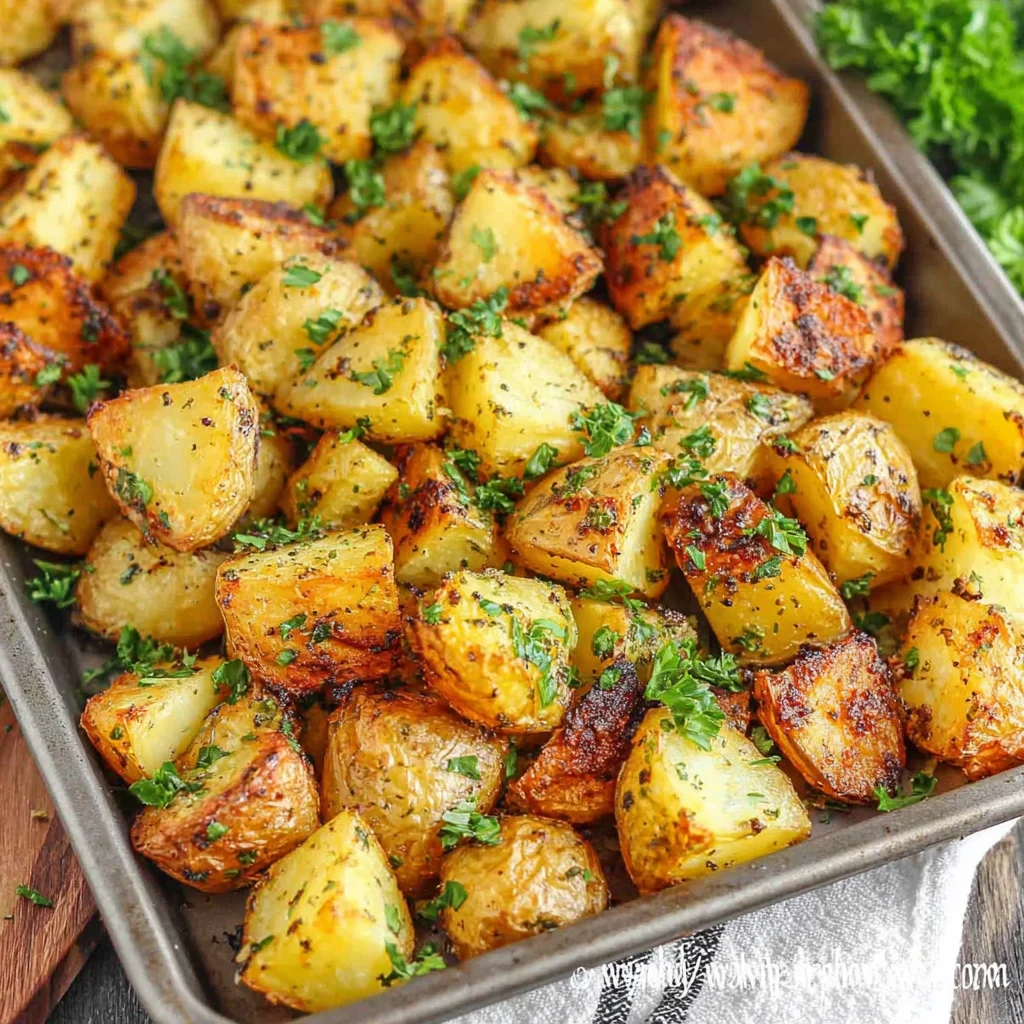
There’s something magical about the sound of potatoes sizzling in a hot oven – that gentle bubbling that promises crispy, golden perfection ahead. Oven roasted potatoes have been gracing dinner tables for centuries, transforming humble spuds into something extraordinary with just heat, oil, and patience. This foolproof method delivers what we all crave: a crispy, caramelized exterior giving way to fluffy, tender insides.
What makes this particular approach special is the combination of proper preparation techniques and strategic temperature control. Instead of settling for soggy disappointments, you’ll master the art of creating restaurant-quality roasted potatoes in your own kitchen. Whether you’re planning a cozy family dinner or hosting friends, these golden beauties will steal the show every single time. The best part? This technique works with whatever potatoes you have on hand, making it both versatile and accessible.
Ingredients List
Base Ingredients:
- 2 pounds baby potatoes or Yukon Gold potatoes, cut into 1-inch pieces
- 3 tablespoons extra virgin olive oil
- 1 teaspoon coarse sea salt
- ½ teaspoon freshly ground black pepper
Aromatic Seasonings:
- 3 cloves garlic, minced
- 2 sprigs fresh rosemary, chopped (or 1 teaspoon dried)
- 1 sprig fresh thyme, leaves stripped (or ½ teaspoon dried)
Optional Enhancements:
- 2 tablespoons fresh parsley, chopped
- 1 tablespoon lemon zest
- ¼ cup grated Parmesan cheese
Substitution Suggestions:
For those avoiding oil, try melted butter or avocado oil for different flavor profiles. Vegan butter works wonderfully for plant-based diets. If fresh herbs aren’t available, dried herbs work perfectly – just use half the amount. Sweet potatoes can replace regular potatoes for added nutrition and natural sweetness. For those watching sodium, try herb blends or lemon pepper seasoning instead of salt.
Timing
Total Time: 45 minutes
Prep Time: 10 minutes
Cook Time: 35 minutes
This timing allows for perfectly cooked potatoes without rushing the process. The prep work is minimal – mostly washing, cutting, and tossing with seasonings. While the potatoes roast, you can prepare other dishes or simply enjoy the aromatic herbs filling your kitchen.
Make-Ahead Tips: Cut and season potatoes up to 4 hours in advance, storing them covered in the refrigerator. This actually helps develop deeper flavors. For busy weeknight dinners, prep everything in the morning and pop them in the oven when you get home.
Multi-Tasking Opportunities: Since these potatoes need minimal attention once in the oven, use the cooking time to prepare proteins or salads. The final 10 minutes are perfect for setting the table or preparing beverages.
How to Make It
1. Prepare Your Potatoes
Preheat your oven to 425°F (220°C). Wash the potatoes thoroughly, leaving the nutrient-rich skins on. Cut larger potatoes into uniform 1-inch pieces – this ensures even cooking and prevents some pieces from burning while others remain undercooked. Pat the cut potatoes completely dry with paper towels; this step is crucial for achieving that coveted crispy exterior.
2. Season and Toss
In a large bowl, combine the dried potatoes with olive oil, salt, and pepper. Toss everything together with your hands or a large spoon until each piece is evenly coated. The potatoes should glisten with oil but not be swimming in it. Add the minced garlic, rosemary, and thyme, giving everything another good toss to distribute the aromatics evenly.
3. Arrange for Success
Line a large rimmed baking sheet with parchment paper for easy cleanup. Spread the seasoned potatoes in a single layer, making sure no pieces overlap or touch. Overcrowding leads to steaming rather than roasting, so use two pans if necessary. The potatoes should have breathing room to develop those beautiful golden edges.
4. Roast to Perfection
Place the baking sheet in the preheated oven and roast for 20 minutes without disturbing them. This initial undisturbed cooking time allows the bottoms to develop a proper crust. After 20 minutes, use a spatula to flip each potato piece, revealing the gorgeous golden-brown undersides.
5. Finish and Garnish
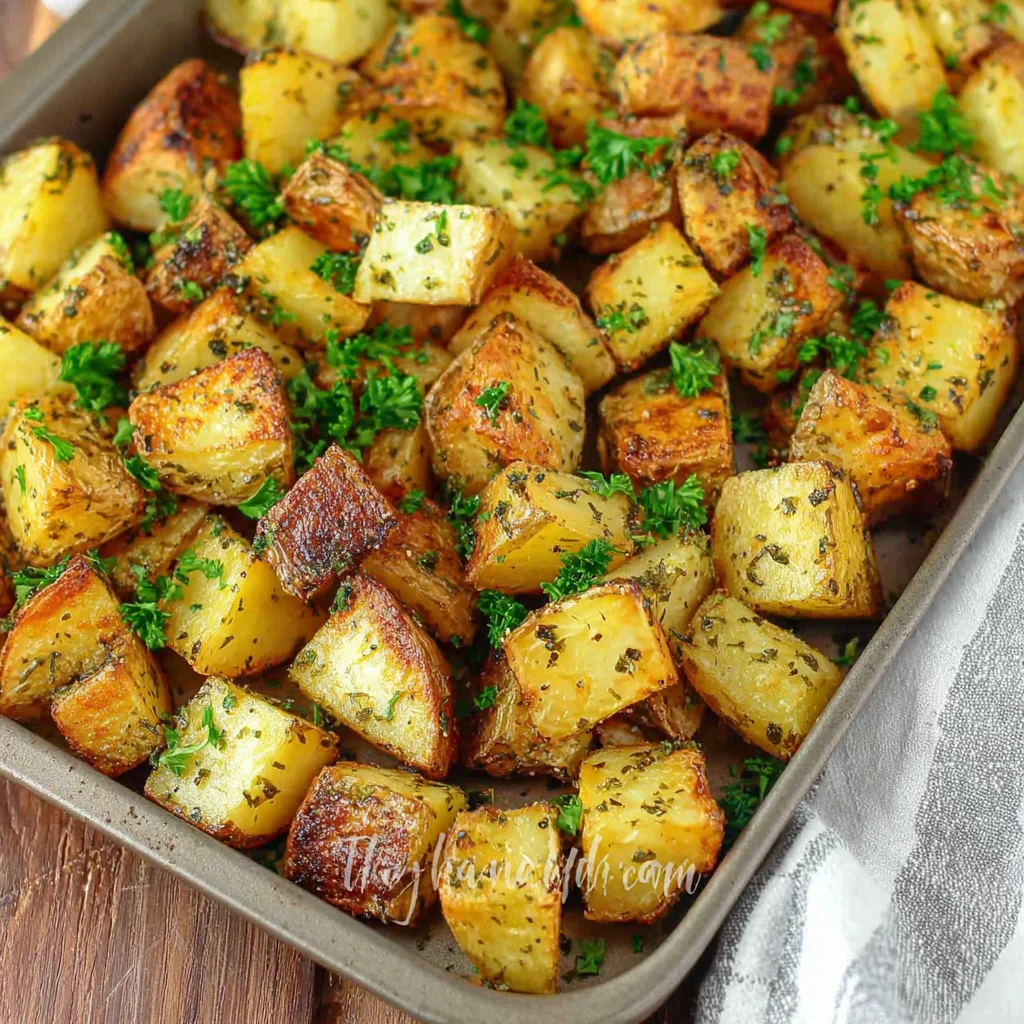
Continue roasting for another 15-20 minutes until the potatoes are golden brown all over and fork-tender inside. Remove from the oven and immediately sprinkle with fresh parsley, lemon zest, or Parmesan cheese if using. The residual heat will wilt the herbs and melt the cheese slightly, creating an irresistible finish.
Nutritional Information
Each serving of these oven roasted potatoes provides approximately 180 calories, making them a satisfying yet reasonable side dish. Potatoes are naturally rich in potassium, vitamin C, and fiber, while the olive oil contributes heart-healthy monounsaturated fat and helps your body absorb fat-soluble vitamins.
The skin-on preparation maximizes nutritional benefits, providing additional fiber and minerals often lost when potatoes are peeled. Fresh herbs like rosemary and thyme not only enhance flavor but also contribute antioxidants and anti-inflammatory compounds.
This preparation method uses minimal added fat compared to traditional fried potatoes, while the roasting process caramelizes natural sugars for enhanced flavor without adding refined sugars or artificial ingredients.
Nutritional values are approximate and may vary based on potato variety and specific ingredients used.
Healthier Alternatives for the Recipe
Lower Calorie Options: Reduce olive oil to 2 tablespoons and add a splash of vegetable broth to prevent sticking. This modification saves about 40 calories per serving while maintaining moisture and flavor. Using cooking spray instead of oil can further reduce calories.
Heart-Healthy Modifications: Substitute olive oil with avocado oil for even higher smoke point and omega-3 fatty acids. Add herbs like oregano and basil, which contain compounds that may support cardiovascular health.
Reduced Sodium Version: Cut salt by half and boost flavor with lemon juice, garlic powder, onion powder, and paprika. Nutritional yeast adds a savory, cheese-like flavor without sodium for those following plant-based diets.
Anti-Inflammatory Boost: Include turmeric and ginger in your seasoning blend. These spices complement the earthy potato flavor while potentially offering anti-inflammatory benefits. A pinch of cayenne pepper can also boost metabolism naturally.
Serving Suggestions
These versatile potatoes pair beautifully with roasted chicken, grilled fish, or beef tenderloin for classic dinner combinations. For vegetarian meals, serve alongside roasted vegetables and a hearty grain salad. The crispy texture makes them an excellent alternative to french fries with burgers or sandwiches.
Presentation Ideas: Serve family-style on a large platter garnished with fresh herb sprigs, or portion into individual ramekins for elegant dinner parties. A light drizzle of good olive oil and flaky sea salt elevates the presentation.
Seasonal Variations: In spring, add fresh dill and serve with asparagus. Summer calls for fresh basil and cherry tomatoes. Fall versions benefit from sage and a touch of maple syrup, while winter preparations shine with hearty rosemary and thyme.
Consider this recipe as a foundation for countless variations based on your family’s preferences and seasonal ingredients.
Common Mistakes to Avoid
Overcrowding the Pan: The most common error is cramming too many potatoes onto one baking sheet. This creates steam instead of the dry heat needed for crispiness. Use multiple pans or cook in batches for best results.
Skipping the Drying Step: Wet potatoes will never achieve proper crispiness. Always pat cut potatoes completely dry with paper towels before seasoning. Some cooks even let them air-dry for 10 minutes after cutting.
Moving Too Soon: Resist the urge to flip or move potatoes during the first 20 minutes of cooking. This initial period is crucial for developing the golden crust that makes these potatoes irresistible.
Wrong Temperature: Cooking at too low a temperature results in soft, pale potatoes. The high heat of 425°F is essential for proper caramelization and crispy edges.
Storing Tips for the Recipe
Refrigerator Storage: Store leftover roasted potatoes in an airtight container in the refrigerator for up to 4 days. Let them cool completely before storing to prevent condensation, which makes them soggy.
Reheating Methods: For best results, reheat in a 400°F oven for 8-10 minutes until heated through and crispy again. Avoid microwaving, which makes them soft and unappetizing. A cast-iron skillet on the stovetop also works well for small portions.
Make-Ahead Strategy: These potatoes can be parboiled and seasoned up to 24 hours in advance. Store in the refrigerator, then roast as directed when ready to serve. This method actually improves the final texture.
Freezing Notes: While possible, freezing changes the texture significantly. If you must freeze, do so before the final roasting step, then cook from frozen, adding 10-15 minutes to the cooking time.
Conclusion
Mastering the art of perfect oven roasted potatoes opens up endless possibilities for your cooking repertoire. This reliable method delivers consistently crispy, golden results that will have everyone asking for seconds. The combination of proper technique and quality ingredients transforms an everyday staple into something truly special.
The beauty of this approach lies in its simplicity and adaptability. Once you’ve mastered the basic technique, you can experiment with different seasonings, herbs, and even potato varieties to create your own signature version. Whether you’re cooking for family dinner or entertaining guests, these potatoes never disappoint.
Ready to create your own batch of golden perfection? Gather your ingredients, preheat that oven, and prepare to enjoy some of the best roasted potatoes you’ve ever tasted. Don’t forget to share your results and any creative variations you discover along the way!
FAQs
What type of potatoes work best for roasting?
Yukon Gold potatoes are ideal because they hold their shape well while developing creamy interiors. Baby potatoes and fingerlings also work beautifully. Avoid russets for this method as they tend to fall apart during roasting.
How can I make my roasted potatoes extra crispy?
The key to maximum crispiness is ensuring potatoes are completely dry before seasoning, using enough oil to coat evenly, and not overcrowding the pan. Some cooks also parboil potatoes for 5 minutes before roasting for even crispier results.
Can I prepare these potatoes ahead of time?
Yes! Cut and season potatoes up to 4 hours in advance and store covered in the refrigerator. You can also parboil them the day before, then roast when ready to serve.
Why do my roasted potatoes turn out soggy?
Soggy potatoes usually result from excess moisture, overcrowding the pan, or cooking at too low a temperature. Make sure potatoes are thoroughly dried, give them space on the baking sheet, and maintain 425°F throughout cooking.
How do I know when the potatoes are done?
Properly roasted potatoes should be golden brown on all sides and easily pierced with a fork. They should sound slightly hollow when tapped and have visible crispy edges.
What’s the best way to reheat leftover roasted potatoes?
Reheat in a 400°F oven for 8-10 minutes to restore crispiness. You can also use a cast-iron skillet over medium heat. Avoid microwaving, which makes them soft and unappetizing.
For more delicious variations and cooking inspiration, check out my recipe collection on Pinterest where you’ll find countless ways to elevate your potato game!