
Introduction
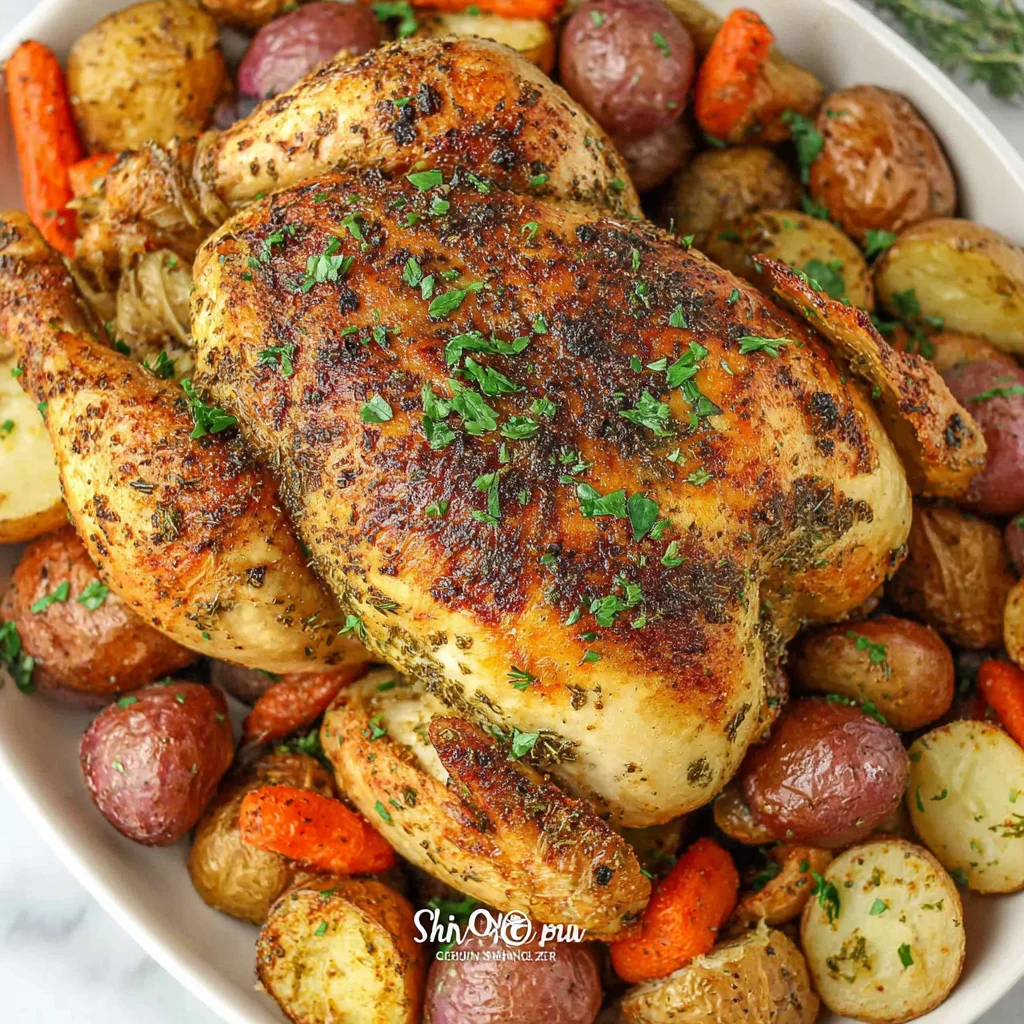
There’s something magical about the aroma of a perfectly roasted chicken wafting through your kitchen on a Sunday afternoon. This roast chicken recipe transforms a simple bird into something extraordinary – crispy golden skin that crackles when you carve it, and meat so tender it practically falls off the bone. Whether you’re cooking for a cozy family dinner or impressing guests, this foolproof method delivers restaurant-quality results every single time. The secret lies in a few simple techniques that home cooks have been perfecting for generations, combined with aromatic herbs and a touch of patience. What makes this particular approach special is how it balances simplicity with sophistication, requiring just a handful of ingredients you likely already have in your pantry, yet producing results that will have everyone asking for seconds.
Ingredients List
For the Chicken:
- 1 whole chicken (3-4 pounds), preferably free-range
- 2 tablespoons olive oil or melted butter
- 1 teaspoon kosher salt (or ¾ teaspoon table salt)
- ½ teaspoon freshly ground black pepper
- 1 teaspoon garlic powder
- 1 teaspoon dried thyme (or 2 teaspoons fresh thyme leaves)
- ½ teaspoon paprika for that gorgeous golden color
- ½ teaspoon onion powder
For the Aromatics:
- 1 lemon, halved
- 4-5 fresh garlic cloves, smashed
- 3-4 fresh rosemary sprigs
- 2-3 fresh thyme sprigs
- 1 medium onion, quartered
Substitution Suggestions:
For gluten-free needs, this recipe is naturally compliant. If you’re avoiding garlic, substitute with fennel seeds or additional herbs. Those watching sodium can reduce salt by half and add more herbs for flavor. For dairy-free preparation, stick with olive oil instead of butter. Fresh herbs can always be swapped for dried using a 1:3 ratio (1 teaspoon dried equals 1 tablespoon fresh).
Timing
Total Time: 1 hour 30 minutes
Prep Time: 15 minutes
Cook Time: 1 hour 15 minutes
Rest Time: 10 minutes
The beauty of roast chicken lies in its hands-off cooking approach. While the bird roasts, you have plenty of time to prepare side dishes or simply relax. Start by preheating your oven about 20 minutes before cooking begins. For optimal time management, prepare your seasonings and aromatics while the oven heats up.
Make-Ahead Tips: Season your chicken up to 24 hours in advance and store it covered in the refrigerator. This allows the flavors to penetrate deeper into the meat. You can also prep all your aromatics the night before, storing them in separate containers until ready to use.
How to Make It
1. Prepare the Oven and Chicken
Preheat your oven to 425°F (220°C). Remove the chicken from refrigeration 30 minutes before cooking to bring it to room temperature – this ensures even cooking throughout. Pat the chicken completely dry with paper towels, inside and out. Any moisture will prevent that coveted crispy skin from forming.
2. Season the Bird
In a small bowl, combine salt, pepper, garlic powder, thyme, paprika, and onion powder. Gently loosen the skin over the breast meat by sliding your fingers underneath, being careful not to tear it. Rub about half the seasoning mixture directly onto the meat under the skin – this creates incredibly flavorful, juicy breast meat. Drizzle olive oil all over the chicken, then rub the remaining seasoning mixture into every nook and cranny of the skin.
3. Stuff with Aromatics
Squeeze the lemon halves over the chicken, then stuff them inside the cavity along with smashed garlic cloves and herb sprigs. This creates a steam bath of flavor from within. Don’t worry about trussing unless you want to – this chicken will cook beautifully either way.
4. Arrange for Roasting
Place the quartered onion in the bottom of a roasting pan or cast-iron skillet. Set the chicken breast-side up on top of the onions. The onions act as a natural roasting rack, allowing air to circulate while adding flavor to any pan drippings.
5. Roast to Perfection
Slide the pan into the preheated oven and roast for 60-75 minutes, depending on the size of your bird. The chicken is done when the internal temperature reaches 165°F (74°C) in the thickest part of the thigh, and the juices run clear when pierced. The skin should be beautifully golden and crispy.
6. Rest and Carve
Remove the chicken from the oven and tent loosely with foil. Let it rest for 10 minutes before carving – this allows the juices to redistribute throughout the meat, ensuring every bite is incredibly moist. Carve with a sharp knife, starting with the legs and thighs, then slicing the breast meat.
Nutritional Information
This roast chicken provides an excellent source of high-quality protein, containing all essential amino acids your body needs. A typical serving (approximately 4 ounces of mixed white and dark meat without skin) contains roughly 250-280 calories, 25-30 grams of protein, and 12-15 grams of fat.
The dark meat offers slightly more iron and zinc, while white meat is lower in calories and fat. Chicken is naturally rich in B vitamins, particularly niacin and B6, which support energy metabolism and nervous system function. The herbs and aromatics contribute antioxidants and anti-inflammatory compounds, though in smaller amounts.
Keep in mind that nutritional values can vary based on the specific chicken size, preparation method, and whether you consume the skin. These values are approximate and intended as a general guide.
Healthier Alternatives for the Recipe
For Lower Calories: Remove the skin before eating to reduce calories by about 50-70 per serving. You can also use cooking spray instead of olive oil for the initial coating, though this will affect the skin’s crispiness slightly.
Herb-Forward Version: Double the fresh herbs and add fresh sage or oregano. These pack flavor without adding calories and provide additional antioxidants.
Reduced Sodium Option: Cut the salt in half and amplify flavor with citrus zest, fresh herbs, and salt-free spice blends. Lemon pepper seasoning works beautifully here.
Mediterranean Style: Add olives to the roasting pan, use oregano instead of thyme, and stuff the cavity with lemon slices and fresh basil. Drizzle with a tiny amount of good olive oil just before serving.
Asian-Inspired Twist: Replace herbs with fresh ginger slices, use sesame oil for coating, and add a splash of low-sodium soy sauce to the seasoning mix.
Serving Suggestions
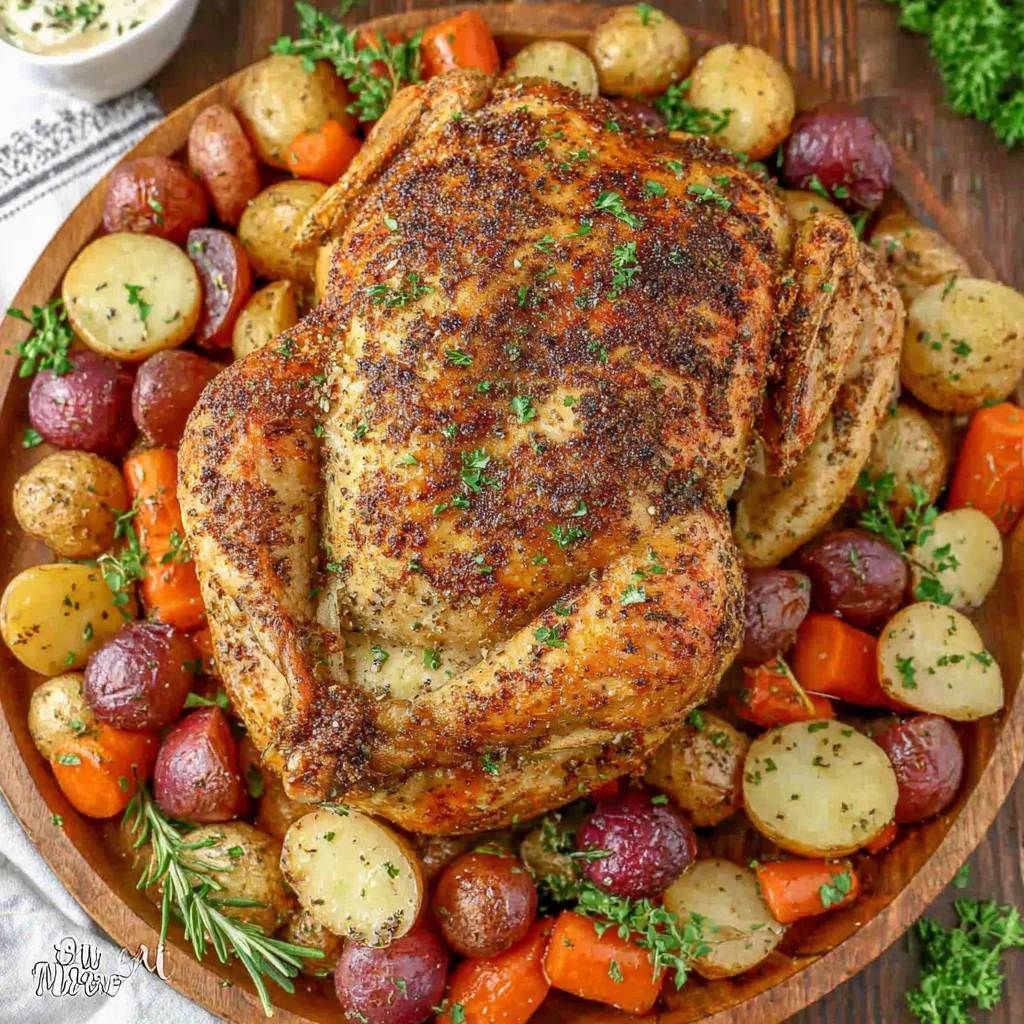
Present your golden roast chicken on a large wooden cutting board or white platter, surrounded by the caramelized onions from the pan. Garnish with fresh herb sprigs and lemon wedges for a restaurant-worthy presentation.
Perfect Pairings: Roasted root vegetables like carrots, potatoes, and parsnips complement the chicken beautifully. For lighter options, serve alongside a crisp green salad with vinaigrette or steamed asparagus. Creamy mashed potatoes or wild rice pilaf make excellent bases for the flavorful pan drippings.
Seasonal Variations: In fall, add Brussels sprouts and butternut squash to the roasting pan. Spring calls for fresh peas and new potatoes. Summer pairs wonderfully with grilled corn and fresh tomato salad.
Wine Pairings: A crisp Sauvignon Blanc or light Pinot Noir complements the herbs and richness perfectly. For non-alcoholic options, try sparkling water with lemon or herbal iced tea.
Common Mistakes to Avoid
Cooking from Cold: Never roast a chicken straight from the refrigerator. Cold chicken cooks unevenly, with overcooked edges and undercooked centers.
Skipping the Pat-Down: Wet skin equals soggy skin. Always thoroughly dry your chicken before seasoning for maximum crispiness.
Overcrowding the Pan: Give your chicken breathing room. A crowded pan creates steam, preventing proper browning and crisping.
Opening the Oven Door: Resist the urge to check too frequently. Each peek releases heat and extends cooking time. Trust the process and use a meat thermometer for accuracy.
Carving Too Soon: Patience pays off here. Cutting into the chicken immediately releases all those precious juices onto the cutting board instead of staying in the meat.
Wrong Temperature: An oven thermometer helps ensure accuracy. Many home ovens run hot or cold, affecting cooking times and results.
Storing Tips for the Recipe
Refrigerator Storage: Cool leftover chicken completely before storing in airtight containers. Properly stored roast chicken stays fresh for 3-4 days in the refrigerator. Remove meat from bones for more efficient storage and quicker reheating.
Freezer Storage: Cooked chicken freezes well for up to 3 months. Wrap tightly in plastic wrap, then aluminum foil, or use freezer-safe containers. Label with dates for best organization.
Reheating Methods: For best results, reheat gently in a 325°F oven, covered with foil to prevent drying. Add a splash of chicken broth if needed. Microwave reheating works for quick meals but may result in less tender meat.
Make-Ahead Strategy: Roast chicken is perfect for meal prep. Use leftovers in salads, sandwiches, soups, or grain bowls throughout the week. The bones make excellent stock when simmered with vegetables and herbs.
Conclusion
This roast chicken recipe proves that simple ingredients, when treated with care and respect, can create something truly extraordinary. The combination of aromatic herbs, golden crispy skin, and incredibly juicy meat makes this a go-to meal for any occasion. Whether you’re a beginner cook looking to master a fundamental technique or an experienced home chef seeking a reliable crowd-pleaser, this method delivers consistent, delicious results every single time.
The beauty lies not just in the final product, but in the process itself – the way your kitchen fills with incredible aromas, the satisfaction of achieving that perfect golden color, and the joy of sharing a home-cooked meal with people you care about. Don’t be surprised if this becomes your signature dish, requested again and again by family and friends.
Ready to create your own roast chicken masterpiece? Gather your ingredients, preheat that oven, and prepare to fall in love with cooking all over again. For more inspiration and cooking ideas, check out this delicious recipe collection.
FAQs
Q: How do I know when the chicken is fully cooked without a meat thermometer?
A: Pierce the thigh with a knife – juices should run clear, not pink. The leg should move freely when wiggled, and the meat should feel firm but not hard when pressed gently.
Q: Can I stuff the chicken with traditional bread stuffing?
A: It’s safer to cook stuffing separately to ensure both chicken and stuffing reach proper temperatures. Use aromatics like herbs, citrus, and garlic inside the cavity instead.
Q: My chicken skin isn’t getting crispy enough. What am I doing wrong?
A: Ensure the chicken is completely dry before seasoning, use enough fat (oil or butter), and avoid covering during roasting. Higher temperatures (425°F) help achieve crispier skin.
Q: Can I use this method for a larger chicken or small turkey?
A: Absolutely! Adjust cooking time accordingly – roughly 20 minutes per pound. Always use a meat thermometer to ensure doneness, as cooking times vary with size and oven differences.
Q: What should I do with the pan drippings?
A: Those golden drippings make incredible gravy! Strain out solids, skim excess fat if desired, and whisk with flour and stock for homemade gravy, or simply drizzle over vegetables.
Q: Is it normal for the chicken to release a lot of liquid during cooking?
A: Some liquid release is normal, especially with previously frozen chickens. This won’t affect the final result, and much of it will evaporate during the roasting process, concentrating flavors in the pan.