
Introduction
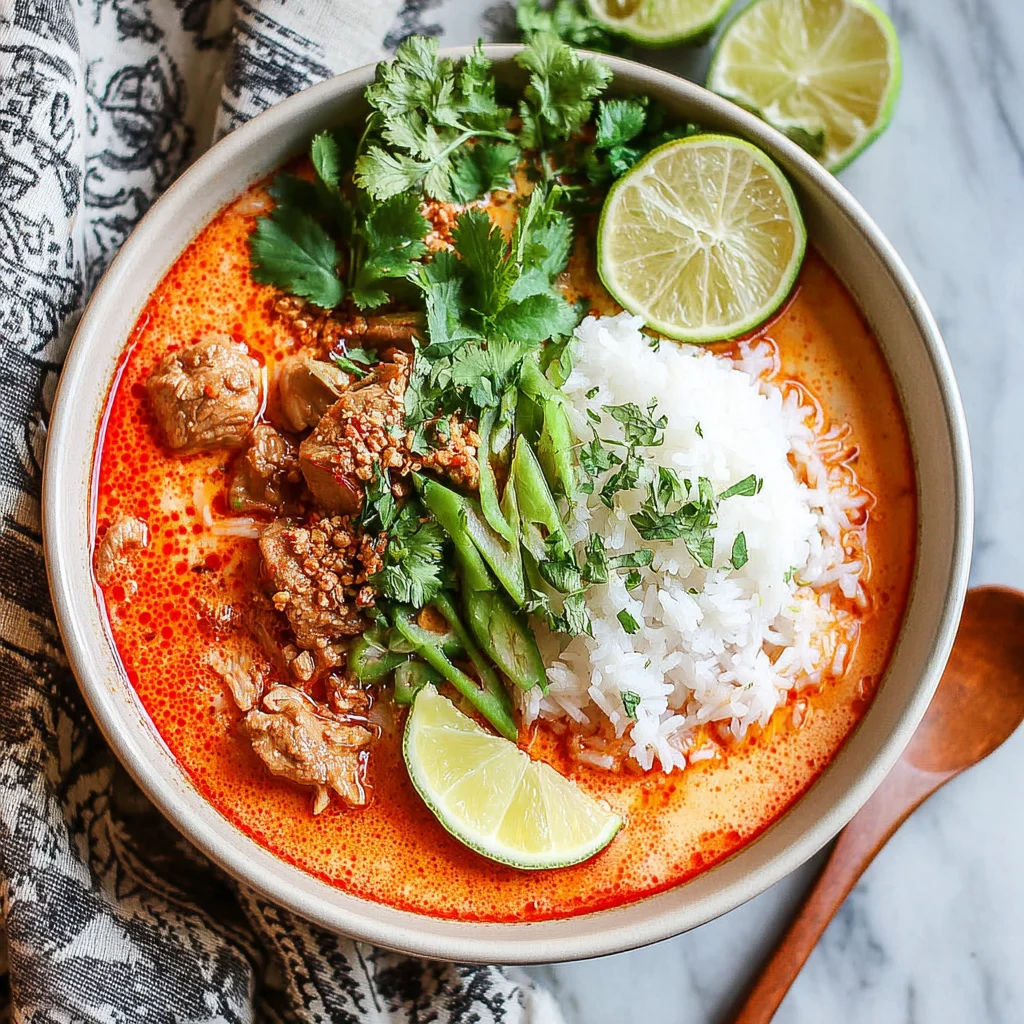
Nothing fills my kitchen with more intoxicating aromas than a bubbling pot of Thai coconut curry. This creamy, fragrant dish has become my go-to comfort food, especially when I need something warming and satisfying without hours of prep. What makes this Thai coconut curry recipe truly special is its perfect balance of creamy coconut milk, aromatic spices, and vibrant vegetables that all come together in one beautiful pot.
Ingredients List
For the Curry Base:
- 1 can (14 oz) full-fat coconut milk
- 2-3 tablespoons red curry paste
- 1 tablespoon coconut oil
- 1 medium onion, sliced
- 3 cloves garlic, minced
- 1 inch fresh ginger, grated
For the Curry:
- 1 lb chicken thighs, cut into bite-sized pieces (or tofu for vegetarian)
- 1 red bell pepper, sliced
- 1 cup green beans, trimmed
- 1 medium zucchini, sliced
- 2 tablespoons fish sauce (or soy sauce for vegetarian)
- 1 tablespoon brown sugar
- Juice of 1 lime
- Fresh Thai basil leaves
- Salt to taste
Substitution Tips: Swap chicken for firm tofu or shrimp, use yellow curry paste for milder heat, or replace fish sauce with soy sauce for a vegetarian version.
Timing
- Prep time: 15 minutes
- Cook time: 25 minutes
- Total time: 40 minutes
Time-Saving Tip: Prep all your vegetables while the aromatics are sautéing to maximize efficiency and keep the cooking process smooth.
How to Make It
1. Build the Aromatic Base
Heat coconut oil in a large pot over medium heat. Add the sliced onion and cook for 3-4 minutes until softened and lightly golden. You’ll hear that satisfying sizzle as the onions hit the hot oil. Stir in minced garlic and grated ginger, cooking for another minute until fragrant. This foundation creates the flavor backbone of your curry, so don’t rush this step.
2. Bloom the Curry Paste
Add the red curry paste to your aromatic base and stir constantly for 1-2 minutes. This blooming process is crucial because it awakens the spices and prevents any raw paste flavor. You’ll notice the mixture becoming more fragrant and slightly darkening in color. The paste should sizzle gently but not burn.
3. Create the Creamy Coconut Base
Pour in half the coconut milk and whisk vigorously to combine with the curry paste. This gradual addition prevents the coconut milk from separating. Let it simmer for 2-3 minutes until you see small bubbles forming around the edges. The mixture should be smooth and aromatic, with the oil from the coconut milk starting to separate slightly on the surface.
4. Add Protein and Vegetables
Add your chicken pieces first, stirring to coat them in the coconut curry base. Cook for 5-6 minutes until the chicken is mostly cooked through and no longer pink on the outside. Then add the bell pepper and green beans, followed by the remaining coconut milk. The vegetables should be vibrant and crisp at this stage.
5. Season and Simmer
Stir in fish sauce, brown sugar, and a pinch of salt. Bring the curry to a gentle simmer and let it bubble away for 8-10 minutes. You’ll know it’s ready when the chicken is completely cooked through, the vegetables are tender-crisp, and the sauce has thickened slightly. The surface should have a beautiful sheen from the coconut oil.
6. Final Touches
Add the sliced zucchini in the last 3-4 minutes of cooking to prevent it from becoming mushy. Remove from heat and stir in fresh lime juice and torn Thai basil leaves. Taste and adjust seasoning with more fish sauce for saltiness or brown sugar for sweetness. The final dish should be creamy, aromatic, and perfectly balanced.
Nutritional Information
Per serving (serves 4): Approximately 380 calories, 28g protein, 12g carbohydrates, 26g fat. This coconut curry provides healthy fats from coconut milk, lean protein, and plenty of vitamins from colorful vegetables. Values are approximate and may vary based on specific ingredients used.
Serving Suggestions
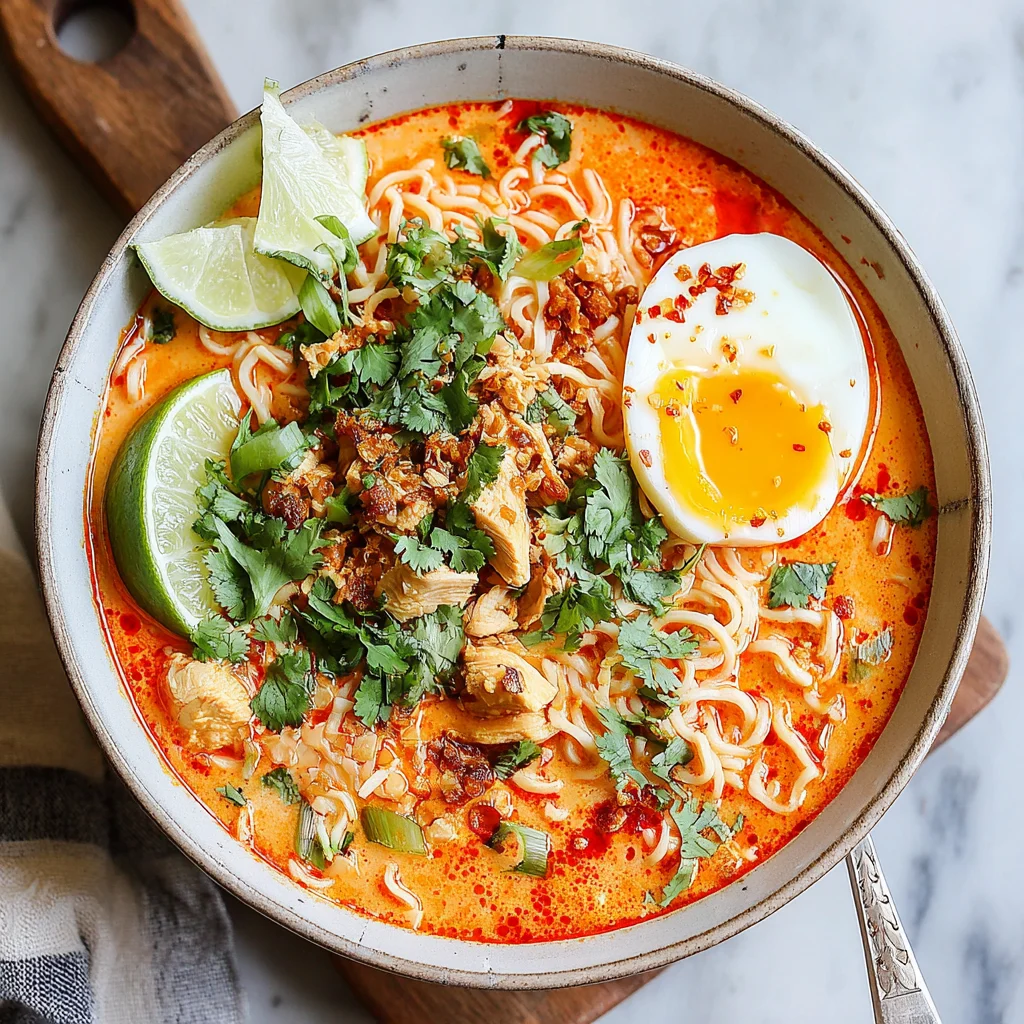
Serve your Thai coconut curry over steamed jasmine rice or rice noodles to soak up every drop of that creamy sauce. For a complete meal, pair with fresh cucumber salad or crispy spring rolls. Garnish with extra Thai basil, sliced chilies, and lime wedges for an authentic presentation that serves 4 generously.
Common Mistakes to Avoid
Don’t skip blooming the curry paste – this step is essential for deep flavor development. Avoid adding all the coconut milk at once, as this can cause separation. Never overcook the vegetables; they should retain some texture and color. Finally, don’t forget the lime juice at the end – it brightens the entire dish and balances the rich coconut flavors perfectly.
Storing Tips
Store leftover curry in the refrigerator for up to 3 days in an airtight container. The flavors actually improve overnight! For freezing, it keeps for up to 2 months. Reheat gently on the stovetop, adding a splash of coconut milk if needed to restore creaminess. This recipe reheats beautifully.
Conclusion
This Thai coconut curry recipe delivers restaurant-quality flavors with home-kitchen simplicity. The creamy texture, vibrant vegetables, and aromatic spices create pure comfort in every bowl. Give it a try and let me know how your curry adventure turns out!
FAQs
Can I make this curry vegetarian?
Absolutely! Replace chicken with firm tofu or extra vegetables, and swap fish sauce for soy sauce. The cooking method remains exactly the same, just reduce the simmering time slightly.
What if my curry is too spicy?
Add more coconut milk, a tablespoon of brown sugar, or a splash of lime juice to cool the heat. You can also serve with extra rice to balance the spiciness.
Why did my coconut milk separate?
This happens when the temperature is too high or ingredients are added too quickly. Reduce heat and whisk vigorously to re-emulsify, or add a splash of warm water.
Can I use light coconut milk?
Yes, but the curry won’t be as rich and creamy. For best results, use at least one can of full-fat coconut milk and supplement with light if needed.
How do I store fresh curry paste?
Unused curry paste keeps in the refrigerator for several weeks or can be frozen in ice cube trays for easy portioning. Check out more storage tips on our recipe boards for inspiration!
Thai Coconut Curry
Ingredients
Method
- Heat coconut oil in a large pot over medium heat. Add the sliced onion and cook for 3-4 minutes until softened and lightly golden. Stir in minced garlic and grated ginger, cooking for another minute until fragrant.
- Add the red curry paste to your aromatic base and stir constantly for 1-2 minutes. This blooming process awakens the spices and prevents any raw paste flavor.
- Pour in half the coconut milk and whisk vigorously to combine with the curry paste. Let it simmer for 2-3 minutes until you see small bubbles forming around the edges.
- Add chicken pieces first, stirring to coat them in the coconut curry base. Cook for 5-6 minutes until the chicken is mostly cooked through and no longer pink on the outside. Then add the bell pepper and green beans, followed by the remaining coconut milk.
- Stir in fish sauce, brown sugar, and a pinch of salt. Bring the curry to a gentle simmer and let it bubble away for 8-10 minutes until chicken is completely cooked through and vegetables are tender-crisp.
- Add the sliced zucchini in the last 3-4 minutes of cooking to prevent it from becoming mushy. Remove from heat and stir in fresh lime juice and torn Thai basil leaves. Taste and adjust seasoning with more fish sauce or brown sugar as needed.